
Few treats hit the sweet spot like cookie dough bites: soft, buttery, bite-sized pieces of dough that taste like the best part of baking day without needing to turn them into cookies. They’re easy to customize, simple to portion, and perfect for snacking, gifting, party trays, lunchbox treats, or keeping in the freezer for a quick dessert.
The key is making them safely. Classic cookie dough contains raw eggs and untreated flour, but this guide shows you how to make edible cookie dough with simple swaps, pantry ingredients, and a no-bake method that gives you all the nostalgic flavor with a better texture for snacking.
What Makes Cookie Dough Bites Different?
Cookie dough bites are smaller, snackable portions of dough designed to be eaten as-is. Unlike baked cookies, they should be soft, scoopable, and rich without needing eggs or leavening agents like baking soda.
The best versions are:
- No-bake and quick to prepare
- Egg-free for safer snacking
- Made with heat-treated flour
- Firm enough to roll into balls
- Soft enough to taste like real homemade cookie dough
- Easy to flavor with chocolate chips, sprinkles, nuts, cocoa, peanut butter, or crushed cookies
Once you learn the base method, you can turn one simple cookie dough bites recipe into dozens of variations.
Ingredients You’ll Need
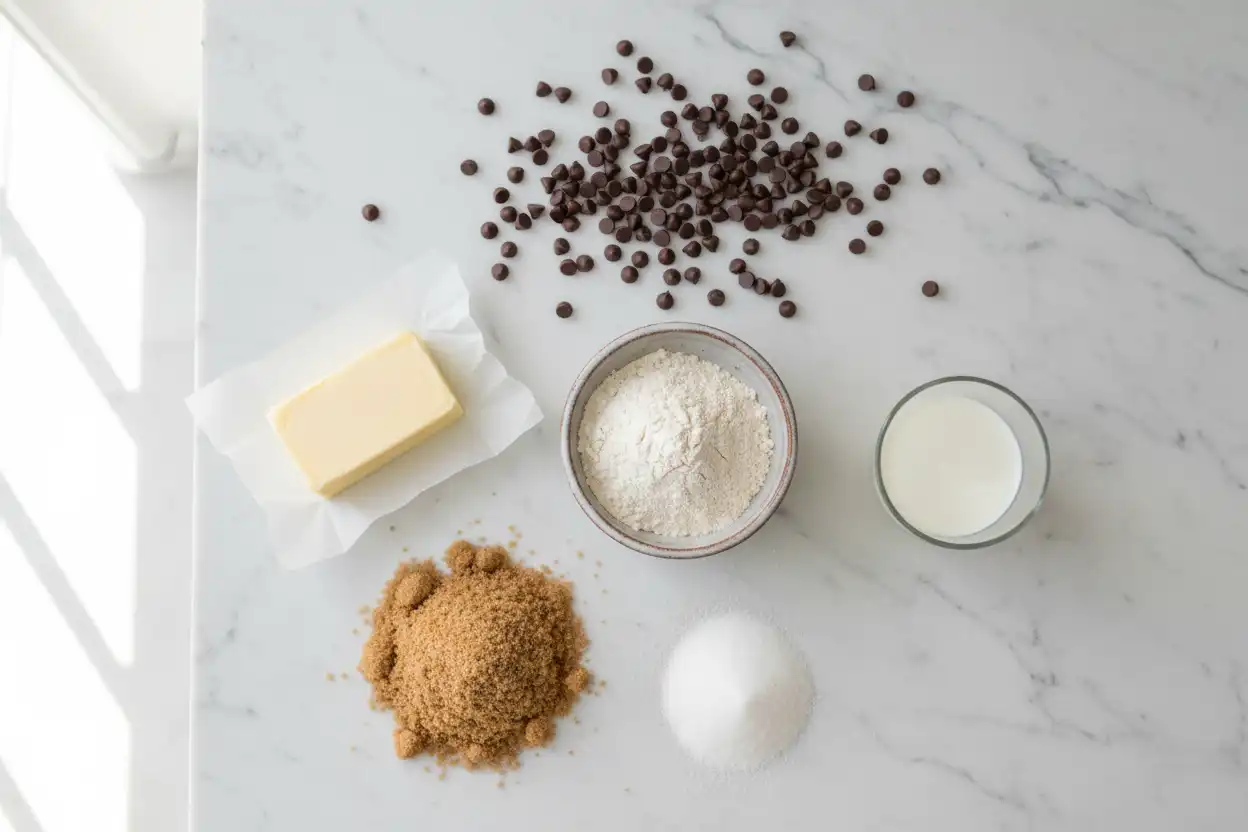
This base recipe makes classic chocolate chip cookie dough balls with a creamy, buttery texture.
For the Base Cookie Dough
- 1 cup all-purpose flour, heat-treated and cooled
- 1/2 cup unsalted butter, softened
- 1/2 cup packed brown sugar
- 2 tablespoons granulated sugar
- 2 tablespoons milk, plus more if needed
- 1 teaspoon vanilla extract
- 1/4 teaspoon salt
- 1/2 cup mini chocolate chips
Optional Add-Ins
Choose one or two extras if you want to customize your cookie dough snacks:
- Rainbow sprinkles
- Chopped chocolate
- Mini peanut butter chips
- Crushed sandwich cookies
- Finely chopped nuts
- Toffee bits
- Cocoa powder
- Cinnamon
- Shredded coconut
- Flaky sea salt for finishing
Mini mix-ins work best because the bites are small. Large chocolate chunks or whole nuts can make the dough harder to roll and less balanced in each bite.
Step 1: Heat-Treat the Flour
Raw flour is not meant to be eaten straight from the bag, so heat-treating is the first step in any safe edible cookie dough recipe. This helps make the flour suitable for no-bake treats.
You can heat-treat flour in the oven or microwave.
Oven Method
- Preheat the oven to 350°F.
- Spread the flour evenly on a rimmed baking sheet.
- Bake for about 5 minutes.
- Let the flour cool completely before using.
- Break up any clumps with a whisk or fork.
Microwave Method
- Place the flour in a microwave-safe bowl.
- Microwave in 30-second bursts, stirring between each round.
- Continue until the flour is hot throughout.
- Let it cool fully before adding it to the dough.
Do not add warm flour to the butter mixture. It can melt the butter and make the dough greasy instead of creamy.
Step 2: Cream the Butter and Sugars
In a medium mixing bowl, combine the softened butter, brown sugar, and granulated sugar. Beat them together until the mixture looks smooth, fluffy, and slightly lighter in color.
You can use a hand mixer, stand mixer, or sturdy spoon. A mixer creates the smoothest texture, but a spoon works if the butter is soft enough.
This step matters because the sugar needs to blend into the butter. If you rush it, the finished homemade cookie dough may taste grainy. Creaming well gives the bites a softer, more classic cookie dough texture.
Step 3: Add Vanilla, Milk, and Salt
Mix in the vanilla extract, milk, and salt until fully combined.
The vanilla brings out the bakery-style flavor, while the salt balances the sweetness. Milk replaces the moisture that eggs would usually provide in regular cookie dough recipes. Start with the listed amount, then add more only if the dough feels dry later.
For a richer flavor, you can use cream or half-and-half instead of milk. For a dairy-free version, use your favorite unsweetened plant-based milk and a dairy-free butter alternative.
Step 4: Mix in the Heat-Treated Flour
Add the cooled flour gradually, mixing after each addition. The dough should come together into a soft, thick mixture that holds its shape when pressed.
If it looks too dry or crumbly, add milk 1 teaspoon at a time. If it feels too sticky, chill it for 10 to 15 minutes before rolling.
The goal is a dough that is soft but not wet. It should be easy to scoop, easy to roll, and firm enough to hold its shape as small cookie dough balls.
Step 5: Fold in the Chocolate Chips
Stir in the mini chocolate chips or your chosen mix-ins. Fold gently so the dough stays creamy and evenly mixed.
Mini chocolate chips are ideal because they distribute well through small bites. If you only have regular chocolate chips, give them a quick chop before adding them.
At this point, taste the dough and adjust if needed:
- Add a pinch more salt if it tastes flat.
- Add a splash more vanilla for a stronger bakery flavor.
- Add a teaspoon of milk if it feels stiff.
- Chill briefly if it feels too soft to roll.
Step 6: Scoop and Roll the Bites

Line a baking sheet or plate with parchment paper. Use a small cookie scoop, teaspoon, or clean hands to portion the dough.
For snack-sized bites, aim for pieces about 1 inch wide. Roll each portion gently between your palms until smooth. If the dough sticks to your hands, chill it for a few minutes or lightly dampen your palms.
Place the rolled bites on the parchment-lined sheet in a single layer. They can be close together, but avoid stacking them until they are chilled.
Step 7: Chill Until Firm
Refrigerate the cookie dough bites for at least 20 to 30 minutes, or until they feel firm enough to pick up easily.
Chilling helps the butter set, improves the texture, and makes the bites less sticky. If you want firmer cookie dough snacks, freeze them for 15 to 20 minutes instead.
Once chilled, enjoy them plain, drizzle them with melted chocolate, roll them in sprinkles, or pack them into an airtight container for later.
Easy Flavor Variations

The base recipe is intentionally simple, which makes it easy to customize. Try these ideas when you want something beyond classic chocolate chip.
Double Chocolate Cookie Dough Bites
Replace 2 tablespoons of the flour with unsweetened cocoa powder. Add mini chocolate chips or chopped dark chocolate. If the dough feels dry, add an extra teaspoon or two of milk.
Birthday Cake Cookie Dough Bites
Use the base dough, then fold in rainbow sprinkles and white chocolate chips. Add a tiny splash of almond extract if you like a cake batter-style flavor.
Peanut Butter Cookie Dough Balls
Replace 2 tablespoons of butter with creamy peanut butter. Fold in mini peanut butter chips or chopped chocolate. Because peanut butter thickens the dough, you may need a little extra milk.
Cookies and Cream Bites
Fold crushed chocolate sandwich cookies into the dough. Keep the pieces small so the bites roll smoothly. For extra sweetness, add white chocolate chips.
Oatmeal Chocolate Chip Bites
Replace 1/4 cup of the flour with quick oats. Add a pinch of cinnamon and use mini chocolate chips or raisins. This version has a heartier texture and works especially well as a freezer snack.
Salted Caramel Cookie Dough Bites
Fold in toffee bits or finely chopped soft caramels. Finish each bite with a tiny pinch of flaky sea salt after rolling.
How to Dip Cookie Dough Bites in Chocolate
Chocolate coating turns simple no-bake cookie dough into a more polished dessert. It also helps the bites hold their shape and makes them easy to serve at parties.
- Chill or freeze the rolled bites until firm.
- Melt chocolate wafers or chocolate chips in short microwave bursts, stirring often.
- Dip each bite using a fork.
- Tap off the excess chocolate.
- Place the coated bites on parchment paper.
- Add sprinkles, crushed cookies, or flaky salt before the coating sets.
- Chill until firm.
If using chocolate chips, add a small spoonful of coconut oil or neutral oil to help the chocolate melt more smoothly. For a cleaner finish, use melting wafers or candy coating.
Storage Tips

Store cookie dough bites in an airtight container in the refrigerator. They are best enjoyed chilled because the butter softens at room temperature.
For longer storage, freeze them in a single layer until firm, then transfer them to a freezer-safe container or bag. Place parchment between layers if needed. You can eat them straight from the freezer for a firmer texture or let them sit at room temperature for a few minutes to soften.
If you are serving them at a party, keep them chilled until shortly before serving. They can sit out briefly, but they will become softer as they warm.
Troubleshooting Common Problems
Even simple no-bake cookie dough can vary depending on butter temperature, flour measurement, and mix-ins. Here’s how to fix the most common issues.
The Dough Is Too Dry
Add milk 1 teaspoon at a time until the dough comes together. Avoid adding too much at once, or the dough may become sticky.
The Dough Is Too Sticky
Chill it for 10 to 20 minutes. If it still feels too soft, mix in 1 tablespoon of heat-treated flour at a time until it is easier to roll.
The Bites Taste Grainy
Cream the butter and sugars longer next time. Brown sugar can also create a slightly softer texture than using only granulated sugar.
The Dough Tastes Flat
Add a small pinch of salt or a little extra vanilla. Sweet recipes often need salt to bring the flavors into balance.
The Bites Won’t Hold Their Shape
The dough may be too warm. Chill before rolling, then refrigerate again after shaping.
Tips for the Best Texture
For bakery-style cookie dough bites, small details make a big difference.
- Use softened butter, not melted butter.
- Let heat-treated flour cool completely.
- Measure flour carefully to avoid dry dough.
- Use mini mix-ins for even distribution.
- Chill before serving for the cleanest texture.
- Roll small portions so each bite feels balanced.
- Taste and adjust the dough before shaping.
If you want extra-smooth bites, beat the butter and sugars thoroughly before adding the flour. If you prefer a rustic texture, mix by hand and leave the dough slightly thicker.
Make-Ahead Ideas
Cookie dough bites are excellent for planning ahead because they store well and don’t require baking. Make a batch at the beginning of the week for desserts, after-school snacks, or sweet cravings.
You can also prepare several flavors from one base batch. Divide the dough into smaller bowls before adding mix-ins, then create a variety pack with chocolate chip, birthday cake, peanut butter, and cookies and cream.
For gifting, place chilled bites in mini paper cups, arrange them in a small box, and keep them refrigerated until ready to give. If gifting during warm weather, choose chocolate-coated bites because they tend to hold up better than plain dough.
Simple Serving Ideas

These bite-sized treats are versatile enough for more than snacking straight from the fridge. Try serving them:
- On ice cream sundaes
- Mixed into milkshakes
- Packed into dessert boxes
- Added to a party snack board
- Chopped over brownies
- Layered into parfaits
- Served with hot chocolate
- Tucked into lunchbox dessert containers
- Frozen for quick late-night treats
Because they are rich, small portions work best. A few bites can satisfy a cookie dough craving without needing to bake a full batch of cookies.
Frequently Asked Questions
Can you bake these cookie dough bites?
This recipe is designed to be eaten as edible cookie dough, not baked. It does not include eggs, baking soda, or the same ingredient balance as traditional cookies, so it will not bake like regular cookie dough.
Can I make them gluten-free?
Yes. Use a gluten-free all-purpose flour blend and heat-treat it the same way. Texture may vary slightly depending on the blend, so adjust with a little extra milk if needed.
Can I make them dairy-free?
Yes. Use dairy-free butter, plant-based milk, and dairy-free chocolate chips. Choose a butter alternative that is firm when chilled for the best texture.
Can I reduce the sugar?
You can reduce the sugar slightly, but it will change the texture and flavor. Sugar adds sweetness, moisture, and that classic cookie dough feel. If reducing it, start with a small adjustment rather than cutting it drastically.
What is the best size for cookie dough balls?
A 1-inch bite is ideal for snacking. Smaller bites chill quickly, serve neatly, and make the batch feel more generous.
Final Method Recap
To make the best cookie dough bites, heat-treat your flour, cream softened butter with sugars, mix in vanilla, milk, salt, and flour, then fold in mini chocolate chips. Scoop, roll, chill, and enjoy.
That’s the beauty of this simple cookie dough bites recipe: it gives you the flavor of classic homemade cookie dough in a safe, no-bake, bite-sized form. Once you master the base, you can turn it into endless cookie dough recipes for parties, freezer treats, edible gifts, or everyday dessert cravings.