
A great chocolate chip cookie is more than a sweet snack. It has crisp golden edges, a soft center, melted pockets of chocolate, and just enough salt to make every bite taste richer. Whether you want classic homemade chocolate cookies or a bakery-style batch with white and milk chocolate chips, the difference usually comes down to technique.
This guide walks you through the process step by step, from choosing ingredients to cooling the cookies properly. You’ll also find practical baking tips for making chocolate chip cookies with condensed milk and brown sugar, adjusting texture, and pairing the finished batch with a cold glass of milk.
What Makes a Chocolate Chip Cookie “Ultimate”?
The ultimate cookie should feel balanced. It should not be too cakey, too greasy, or too sweet. The best cookie recipes usually share a few key qualities:
- A flavorful dough made with brown sugar, vanilla, butter, and salt
- A chewy center that stays soft after cooling
- Lightly crisp edges for contrast
- Plenty of chocolate in every bite
- A short rest time so the flour hydrates and the flavor deepens
- Proper baking time to avoid dry, overbaked cookies
The good news is that you don’t need complicated equipment or pastry-chef training. You just need to understand how each ingredient works and follow a careful method.
Ingredients You’ll Need
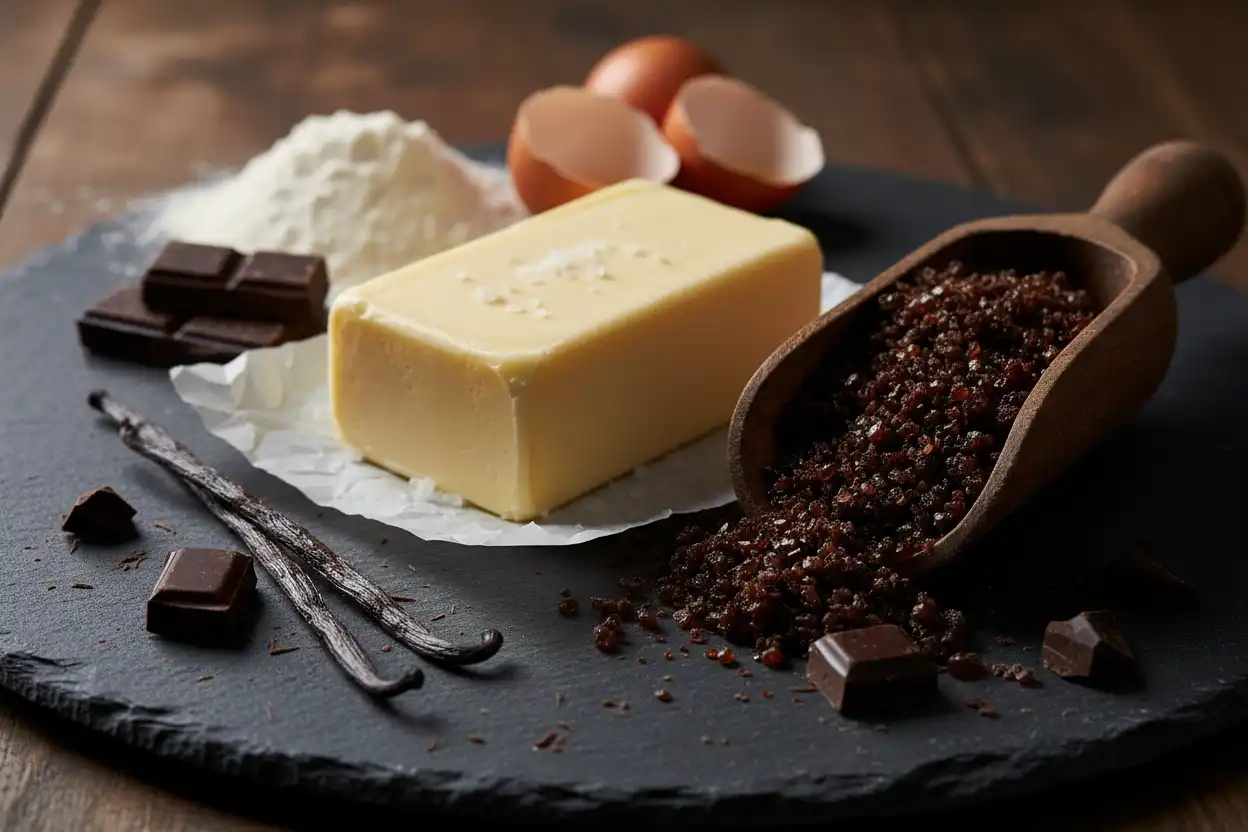
For a classic batch of soft, chewy cookies, gather these ingredients:
- 1 cup unsalted butter, softened but not melted
- 1 cup packed brown sugar
- 1/2 cup granulated sugar
- 2 large eggs
- 2 teaspoons vanilla extract
- 2 3/4 cups all-purpose flour
- 1 teaspoon baking soda
- 1 teaspoon fine salt
- 1 1/2 to 2 cups chocolate chips or chopped chocolate
- Optional: 1/2 cup sweetened condensed milk for a softer, richer variation
- Optional: 1 cup white chocolate chips mixed with 1 cup milk chocolate chips
- Optional: flaky sea salt for finishing
If you are making chocolate chip cookies with condensed milk and brown sugar, reduce the granulated sugar slightly and watch the dough texture. Condensed milk adds sweetness, moisture, and a creamy chew, so the dough may need a little extra flour if it feels too soft to scoop.
Step 1: Start With the Right Butter Texture
Butter temperature is one of the most important cookie details. Softened butter should give slightly when pressed, but it should not look shiny, oily, or melted.
If the butter is too cold, it will not cream smoothly with the sugar. If it is too warm, the dough may spread too much in the oven. For the best texture, let butter sit at room temperature until pliable. You should be able to press a finger into it without it collapsing.
For extra flavor, you can brown the butter first, then chill it until it becomes soft and spreadable again. Brown butter adds a nutty, caramel-like note that works beautifully in homemade chocolate cookies.
Step 2: Cream the Butter and Sugars Properly
Add softened butter, brown sugar, and granulated sugar to a mixing bowl. Beat until the mixture looks lighter, smoother, and slightly fluffy. This usually takes a few minutes with a hand mixer or stand mixer.
Do not rush this step. Creaming butter and sugar creates tiny air pockets that help the cookies bake evenly. Brown sugar adds moisture and chew, while granulated sugar helps the edges become lightly crisp.
For richer cookies, use more brown sugar than white sugar. This is one of the easiest ways to create that soft, bakery-style center many people love.
Step 3: Add Eggs and Vanilla
Beat in the eggs one at a time. Mix just until each egg disappears into the dough. Then add the vanilla extract.
Eggs help bind the dough and add structure. Too much mixing after adding eggs can make the cookies tougher, so keep this part gentle. Vanilla may seem simple, but it rounds out the chocolate and butter flavors. If your cookies ever taste flat, a little more vanilla and the right amount of salt can make a big difference.
Step 4: Mix the Dry Ingredients Separately
In a separate bowl, whisk together the flour, baking soda, and salt. This helps distribute the leavening evenly so you do not get uneven pockets of baking soda.
Flour gives the cookie structure. Baking soda encourages spreading and browning. Salt sharpens the flavor and keeps the sweetness balanced.
If you want thicker cookies, add an extra tablespoon or two of flour. If you want thinner cookies with crispier edges, use slightly less flour or press the dough balls down lightly before baking.
Step 5: Combine Wet and Dry Ingredients Gently
Add the dry ingredients to the butter mixture in portions. Mix on low speed or stir by hand until just combined. Stop as soon as you no longer see streaks of flour.
Overmixing develops gluten, which can make cookies dense or tough. For tender cookies, treat the dough gently once the flour is added.
At this stage, the dough should be soft but scoopable. If it feels sticky, let it rest for 10 minutes before adding more flour. Flour absorbs moisture as it sits, and the dough may firm up naturally.
Step 6: Fold in the Chocolate
Now add your chocolate chips or chopped chocolate. For classic cookies, semi-sweet chocolate is always reliable. For a sweeter, creamier batch, try white and milk chocolate chip cookies. The combination gives you mellow sweetness from the white chocolate and a smooth cocoa flavor from the milk chocolate.
If you want chewy white and milk chocolate chip cookies, use a brown sugar-forward dough and avoid overbaking. The softer dough pairs especially well with creamy chocolate chips.
For a more bakery-style finish, save a handful of chocolate chips to press onto the tops of the dough balls before baking. This makes the cookies look fuller and more inviting.
Step 7: Chill the Dough
Chilling is optional, but it is one of the best ways to improve flavor and texture. Even 30 minutes can help. If you have time, chill the dough for a few hours.
Chilled dough spreads more slowly in the oven, which creates thicker cookies. Resting also allows the flour to hydrate and the sugars to dissolve more fully, giving the cookies a deeper flavor.
If the dough becomes very firm after chilling, let it sit at room temperature for a few minutes before scooping. You want it firm enough to hold its shape but not so hard that it crumbles.
Step 8: Scoop Even Portions
Use a cookie scoop or spoon to portion the dough into even balls. Even portions bake at the same rate, which prevents some cookies from drying out while others remain underbaked.
For medium cookies, use about 2 tablespoons of dough per cookie. For large bakery-style cookies, use 3 to 4 tablespoons. Place the dough balls a few inches apart on a lined baking sheet so they have room to spread.
For thicker cookies, keep the dough balls tall rather than flattening them. For wider cookies, gently press the tops before baking.
Step 9: Bake Until the Edges Are Set
Bake in a preheated oven until the edges are lightly golden and the centers still look a little soft. The cookies will continue to firm up on the hot baking sheet after you remove them from the oven.
A common mistake is baking cookies until they look fully done in the center. By that point, they are often overbaked. For chewy cookies, pull them out when the middle still looks slightly underdone but not wet.
If your oven has hot spots, rotate the baking sheet halfway through baking. This helps the cookies brown evenly.
Step 10: Shape the Cookies Right After Baking
For perfectly round cookies, use a large round cutter or the rim of a glass to gently scoot each cookie into shape while it is still warm. This step is optional, but it gives homemade cookies a polished bakery look.
You can also press a few extra chocolate chips onto the tops while the cookies are warm. Finish with a tiny pinch of flaky sea salt if you like a sweet-salty contrast.
Step 11: Let Them Cool the Right Way
Let the cookies sit on the baking sheet for several minutes before moving them to a cooling rack. This short rest helps the centers set without drying out.
If you move them too soon, they may break. If you leave them on the hot pan too long, they may continue baking and lose their soft texture. Once the bottoms are firm enough to lift, transfer them to a rack.
How to Make Cookies Chewier
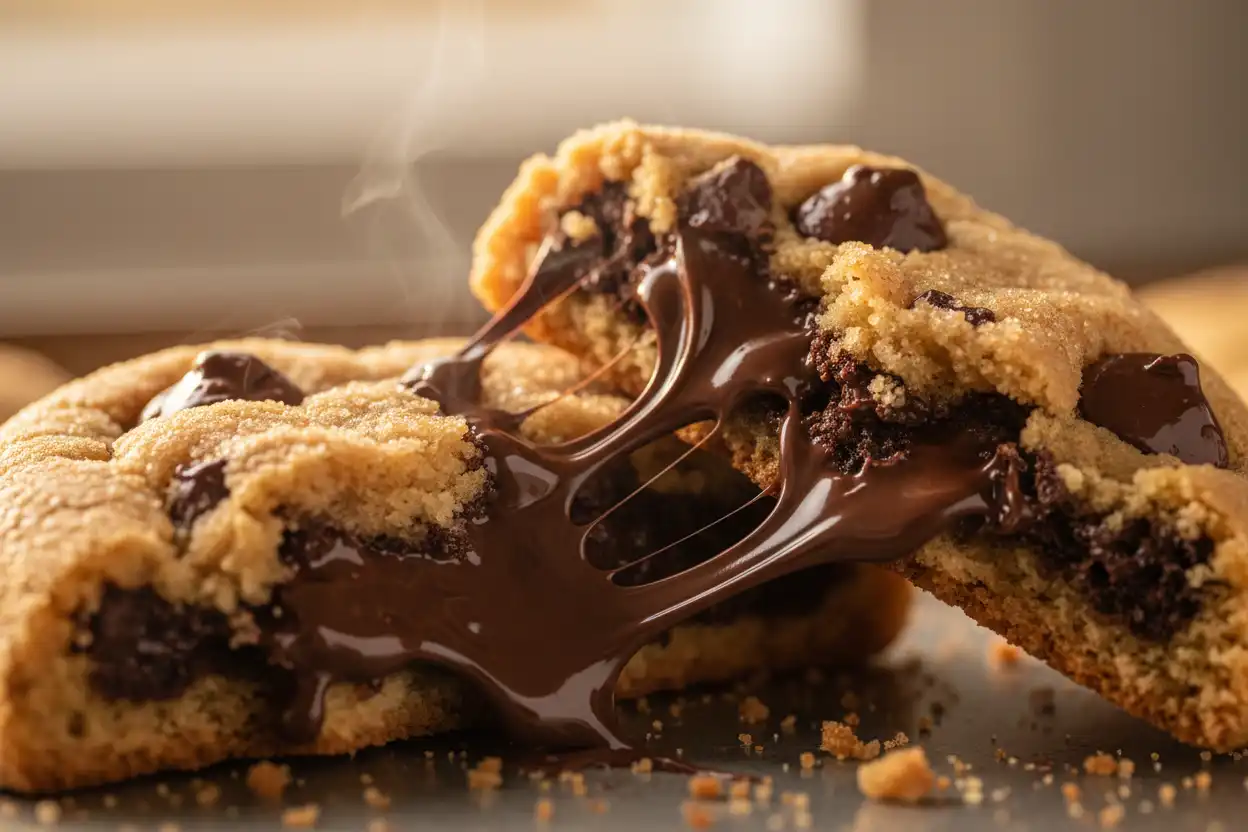
If chewy cookies are your goal, focus on moisture and baking time. Try these tips:
- Use more brown sugar than granulated sugar.
- Add an extra egg yolk for richness.
- Do not overbake the cookies.
- Chill the dough before baking.
- Use chopped chocolate for melty pockets.
- Add a small amount of sweetened condensed milk for a softer texture.
Chocolate chip cookies with condensed milk and brown sugar are especially good when you want a tender, chewy bite. The condensed milk adds a creamy sweetness, while brown sugar brings moisture and a subtle caramel flavor.
How to Make Cookies Thicker
For thicker cookies, small adjustments make a big difference:
- Chill the dough for at least 30 minutes.
- Use softened butter, not melted butter.
- Add 1 to 2 extra tablespoons of flour if the dough feels loose.
- Scoop taller dough balls.
- Bake on a cool baking sheet, not a warm one.
If you bake multiple batches, let the pan cool between rounds. Placing dough on a hot pan causes the butter to melt before the cookies set, leading to extra spread.
How to Make Cookies More Flavorful
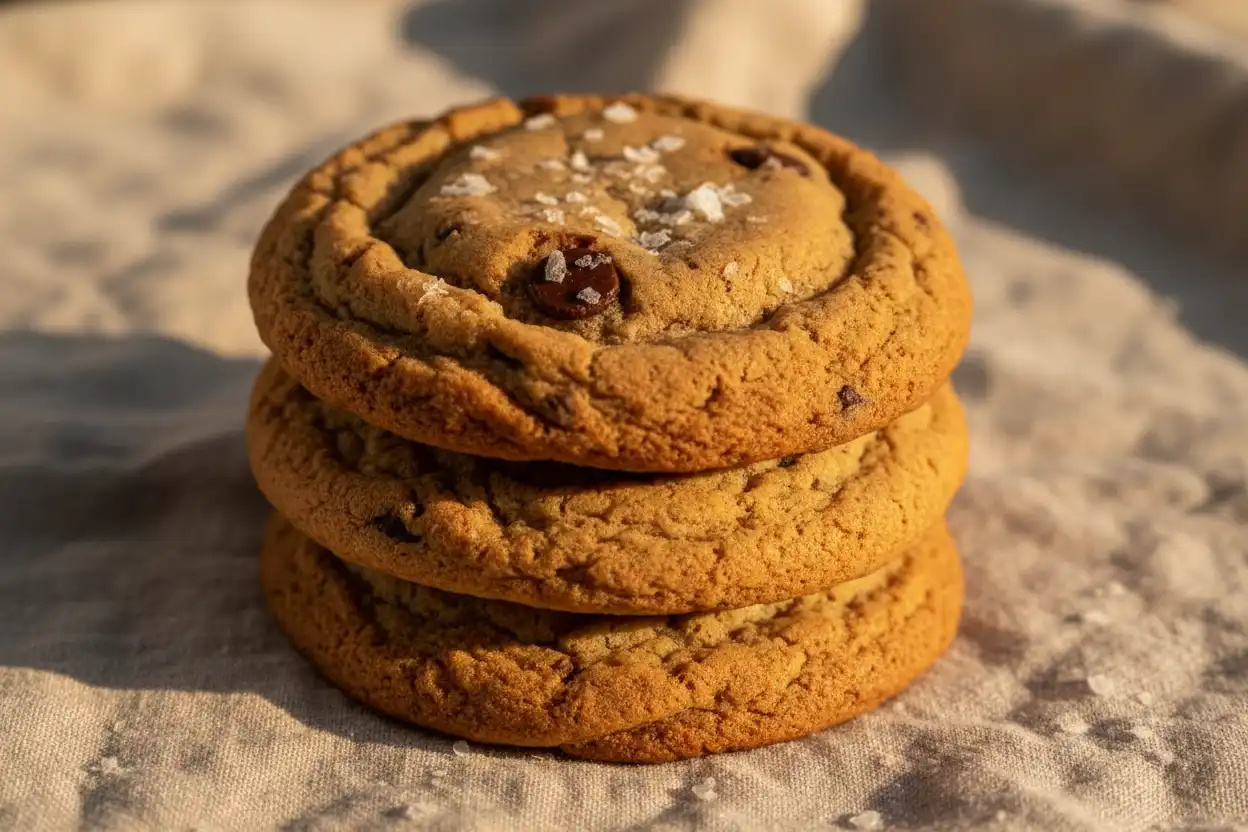
For deeper flavor, try one or more of these upgrades:
- Brown the butter before making the dough.
- Chill the dough overnight.
- Use a mix of chocolate chips and chopped chocolate.
- Add a small pinch of cinnamon or espresso powder.
- Finish with flaky sea salt.
- Use high-quality vanilla extract.
The best cookie recipes often rely on contrast. Sweetness needs salt. Soft centers need crisp edges. Creamy milk chocolate tastes even better with a slightly caramelized dough.
White and Milk Chocolate Variation
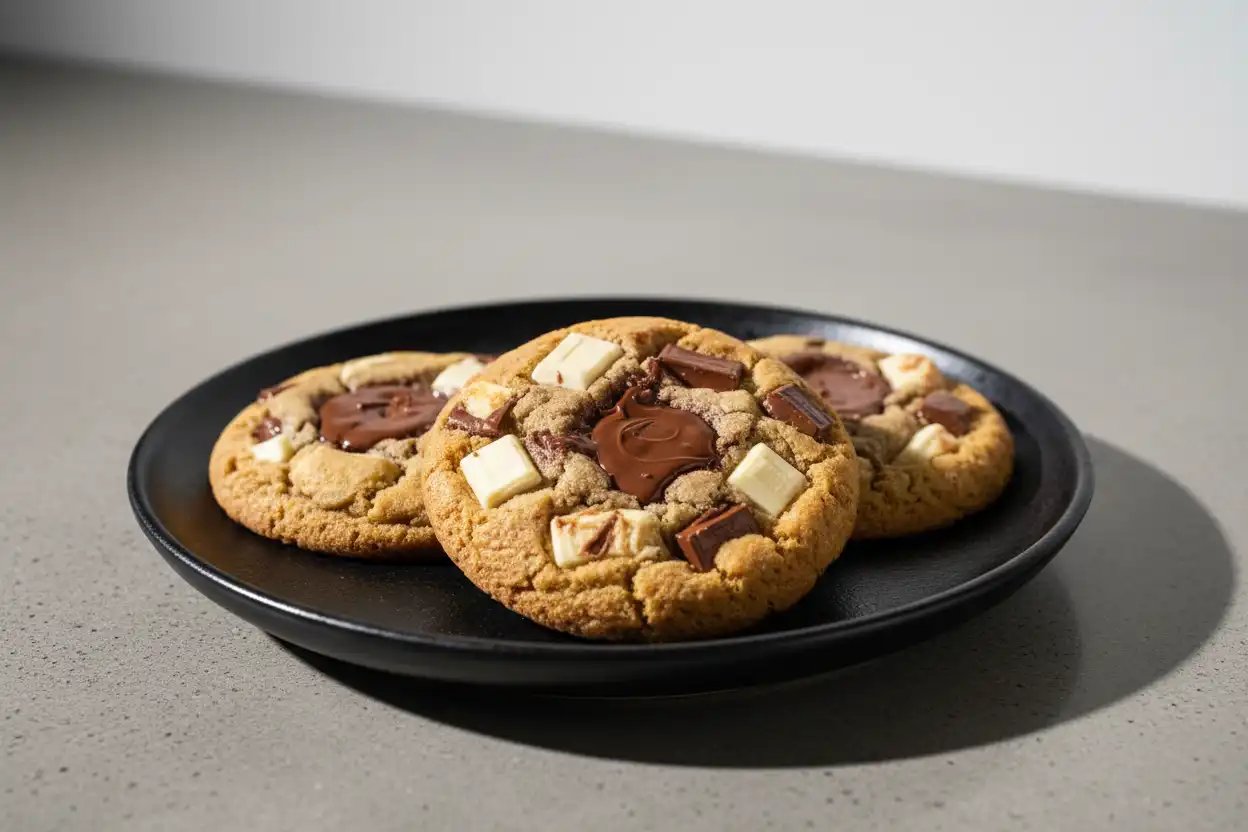
To make white and milk chocolate chip cookies, replace the standard chocolate chips with a mix of white chocolate chips and milk chocolate chips. This version is sweeter and creamier than a classic semi-sweet cookie, so it works best with a dough that includes enough salt and brown sugar to keep the flavor balanced.
For chewy white and milk chocolate chip cookies, use the base recipe above and bake just until the edges are set. Let the cookies cool on the pan so the centers stay soft and tender.
This variation is great for parties, lunchbox treats, bake sales, or a cozy night of chocolate chip cookies and milk.
Common Cookie Problems and How to Fix Them
Cookies spread too much
The butter may have been too warm, the dough may not have been chilled, or there may not be enough flour. Chill the dough and bake on a cool sheet pan.
Cookies are too dry
They may be overbaked or have too much flour. Spoon flour into the measuring cup and level it off instead of packing it down.
Cookies are too cakey
Too much flour or too many eggs can create a cakier texture. Use accurate measurements and avoid overmixing after adding flour.
Cookies taste bland
Add enough salt, use good vanilla, and consider chilling the dough longer. A small sprinkle of flaky salt after baking can also help.
Cookies are too sweet
Use semi-sweet or dark chocolate instead of all milk chocolate, and make sure the dough includes enough salt. If using condensed milk, reduce some of the granulated sugar.
How to Store Freshly Baked Cookies
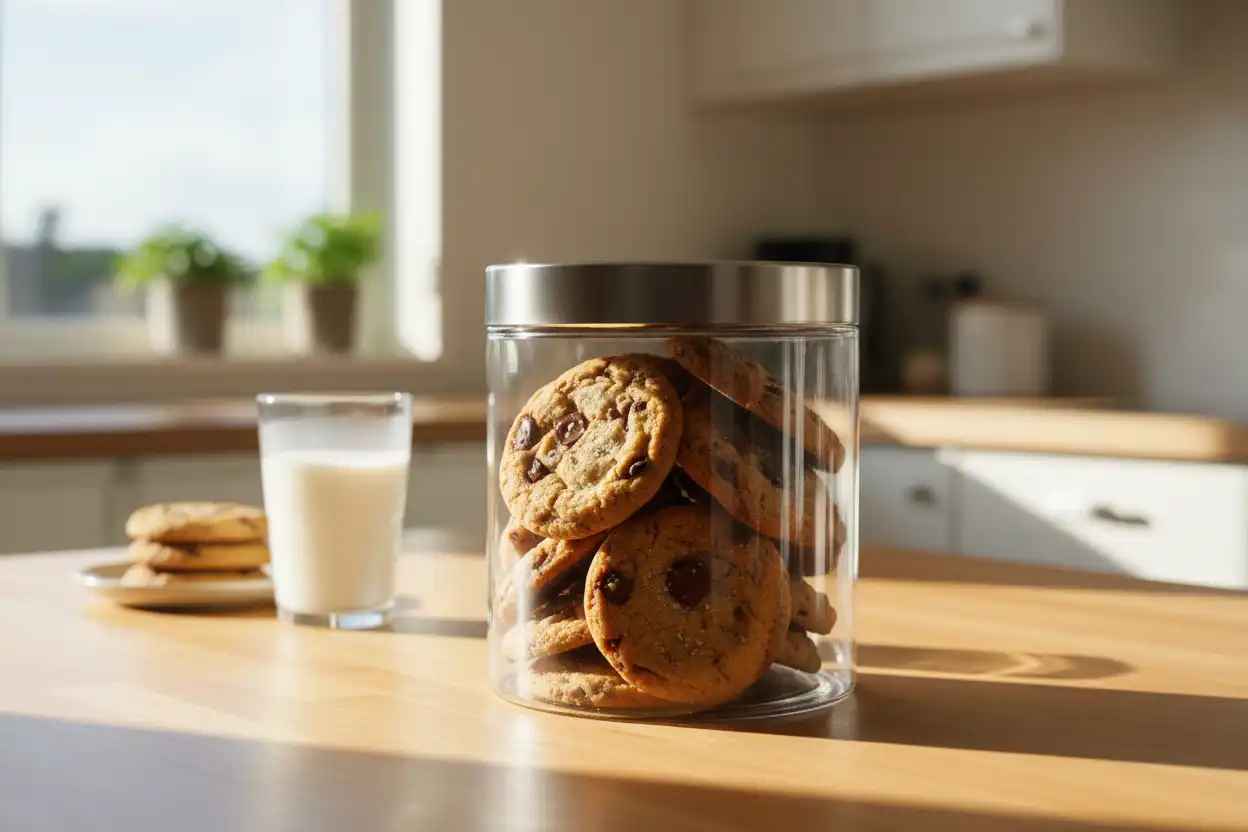
Store cooled cookies in an airtight container at room temperature. For best texture, add a small piece of bread to the container. The bread helps maintain moisture, keeping the cookies softer for longer.
You can also freeze baked cookies. Let them cool completely, place them in a freezer-safe container, and separate layers with parchment. Thaw at room temperature when ready to serve.
For make-ahead baking, freeze unbaked dough balls. Bake them straight from the freezer, adding a little extra time as needed. This is one of the easiest ways to enjoy warm homemade chocolate cookies whenever the craving hits.
The Best Way to Serve Them
Fresh cookies are wonderful on their own, but milk and cookies will always be a classic pairing. Serve warm cookies with cold milk for the perfect contrast of soft, melty chocolate and creamy refreshment.
If you are making a dessert platter, include a mix of classic chocolate chip cookies, white and milk chocolate chip cookies, and a few cookies finished with sea salt. That variety gives everyone something to love.
Final Baking Tips for Better Cookies Every Time
Before you bake your next batch, remember these simple rules:
- Use softened butter for better structure.
- Measure flour carefully.
- Choose brown sugar for chewiness.
- Mix gently once the flour is added.
- Chill the dough when possible.
- Bake until the edges are set, not until the centers look dry.
- Let cookies cool on the pan before moving them.
Great cookies come from small details. Once you understand the role of butter, sugar, flour, chocolate, and baking time, you can adjust the recipe to match your ideal cookie. Whether you love classic chocolate chip cookies and milk, extra chewy centers, or a sweet white and milk chocolate twist, these tips will help you bake a batch that tastes homemade in the best possible way.