
Freezing is one of the easiest ways to keep cookies tasting freshly baked long after the mixing bowl is washed. Whether you want to prep holiday trays early, save leftover batches, or keep frozen cookie dough ready for last-minute desserts, the right method protects flavor, texture, and appearance.
The key is to freeze cookies in a way that limits air exposure, prevents moisture loss, and keeps delicate decorations from smudging. With a few simple cookie freezing tips, you can enjoy crisp shortbread, chewy chocolate chip cookies, soft sugar cookies, and even frozen chocolate cookies with far better results.
why learning how to freeze cookies works so well?
Cookies freeze better than many baked goods because they are small, sturdy, and relatively low in moisture. Freezing slows staling, helps preserve butter-based flavor, and lets you store baked cookies or dough for future baking.
That said, not every cookie should be frozen the same way. A crisp biscotti needs different handling than a soft frosted sugar cookie. A thick chocolate cookie may thaw beautifully at room temperature, while a delicate lace cookie can lose its signature snap if packed with too much moisture.
For the freshest results, think about three things before freezing:
- Texture: Is the cookie crisp, chewy, cakey, delicate, or filled?
- Decoration: Is it plain, glazed, iced, dusted with sugar, or dipped in chocolate?
- Timing: Do you want ready-to-eat frozen cookies or frozen cookie dough you can bake later?
Once you know the answer, choosing the right storage method becomes much easier.
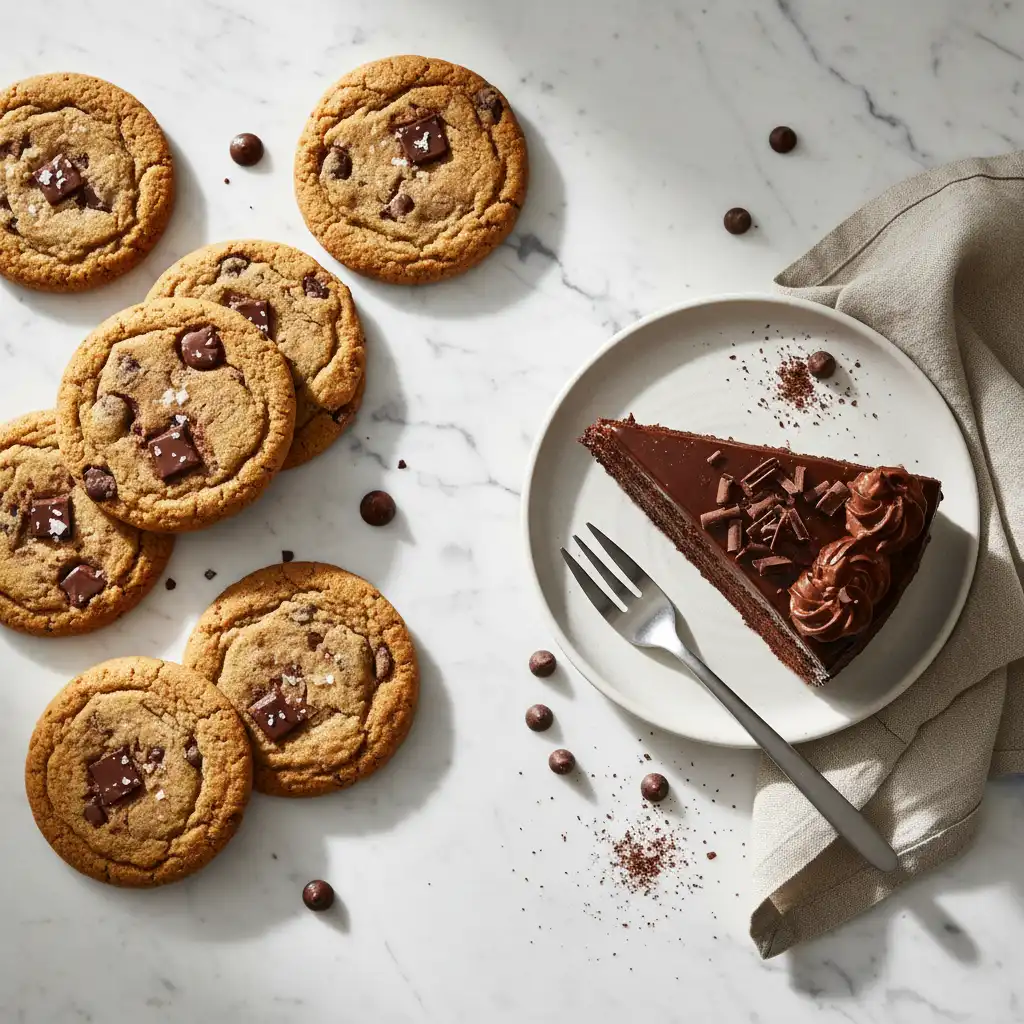
Best cookies to freeze
Many popular cookies freeze extremely well, especially when cooled completely and packed carefully. Good candidates include:
- Chocolate chip cookies
- Oatmeal cookies
- Peanut butter cookies
- Sugar cookies
- Shortbread
- Snickerdoodles
- Gingerbread cookies
- Brownie-style cookies
- Sandwich cookies with firm fillings
- Biscotti
- Most bar cookies cut into squares
Soft, chewy cookies often freeze especially well because they already contain enough moisture to stay tender. Butter cookies and shortbread also freeze nicely, as long as they are protected from freezer odors and condensation.
Cookies that need extra care
Some cookies can still be frozen, but they require a little more planning:
- Iced or decorated cookies: Freeze only after icing is fully set.
- Filled cookies: Avoid fillings that are very wet, fresh, or custard-like.
- Delicate crisp cookies: Pack in rigid containers to prevent breakage.
- Cookies with powdered sugar: Add the sugar after thawing when possible.
- Meringue-style cookies: These may absorb moisture and become sticky, so freeze only if you can package them very airtight.
If you are unsure, freeze one or two test cookies overnight, thaw them, and check texture before freezing an entire batch.
How to freeze baked cookies
Freezing baked cookies is ideal when you want treats that are ready to serve with minimal effort. The process is simple, but each step matters.
1. Cool completely
Never freeze warm cookies. Warmth creates steam, and steam turns into ice crystals inside the package. That moisture can make cookies soggy during thawing.
Let cookies cool fully on a wire rack. For thick cookies, give them extra time so the centers are no longer warm.
2. Pre-freeze soft or decorated cookies
If cookies are soft, sticky, frosted, glazed, or dipped, place them in a single layer on a baking sheet and freeze until firm. This usually keeps them from sticking together once packed.
This step is especially helpful for sugar cookies, chocolate-dipped cookies, thumbprints, and any cookie with a surface that could smear.
3. Layer with parchment
Place cookies in an airtight freezer-safe container. Separate layers with parchment paper or wax paper to prevent sticking and protect decorative tops.
Rigid containers are best for fragile cookies. Freezer bags work well for sturdier cookies, but remove as much air as possible before sealing.
4. Wrap for longer storage
For extra freshness, use two layers of protection:
- First layer: plastic wrap, foil, or a sealed freezer bag
- Second layer: airtight container or another freezer bag
This helps prevent freezer burn and keeps cookies from absorbing odors from other foods.
5. Label everything
Add the cookie type and freezing date to the container. Labeling prevents mystery bags and helps you use older batches first.
For best quality, most frozen cookies are at their peak within about 2 to 3 months. They may remain safe longer if kept properly frozen, but flavor and texture are usually best earlier.
Can iced sugar cookies be frozen?
Yes, iced sugar cookies can be frozen, but the icing must be completely dry or set first. This is one of the most common questions bakers ask: can iced sugar cookies be frozen without ruining the design? In many cases, they can, especially if the cookies are decorated with firm royal icing.
To freeze iced sugar cookies successfully:
- Let the icing dry fully, preferably until it is firm to the touch.
- Arrange cookies in a single layer on a baking sheet.
- Freeze until solid.
- Layer gently in a rigid container with parchment between each layer.
- Thaw in the container before opening it.
That last step is important. If you open the container while the cookies are still frozen, condensation may form directly on the icing and cause spotting, bleeding, or dullness. Letting the cookies thaw while sealed helps moisture collect on the outside of the container instead.
Avoid freezing cookies decorated with very soft buttercream, fresh fruit, gel-heavy decorations, or delicate metallic finishes unless you have tested them first.

How to freeze cookie dough
If you love warm cookies on demand, learning to freeze cookie dough may be even more useful than freezing baked cookies. Frozen cookie dough lets you bake only what you need, when you need it.
Different doughs freeze best in different forms.
Drop cookie dough
Drop cookies include chocolate chip, oatmeal, peanut butter, and many chunky cookie doughs. These are the easiest to freeze.
To freeze drop cookie dough:
- Scoop the dough into portions.
- Place the scoops on a parchment-lined baking sheet.
- Freeze until firm.
- Transfer frozen dough balls to a freezer bag or airtight container.
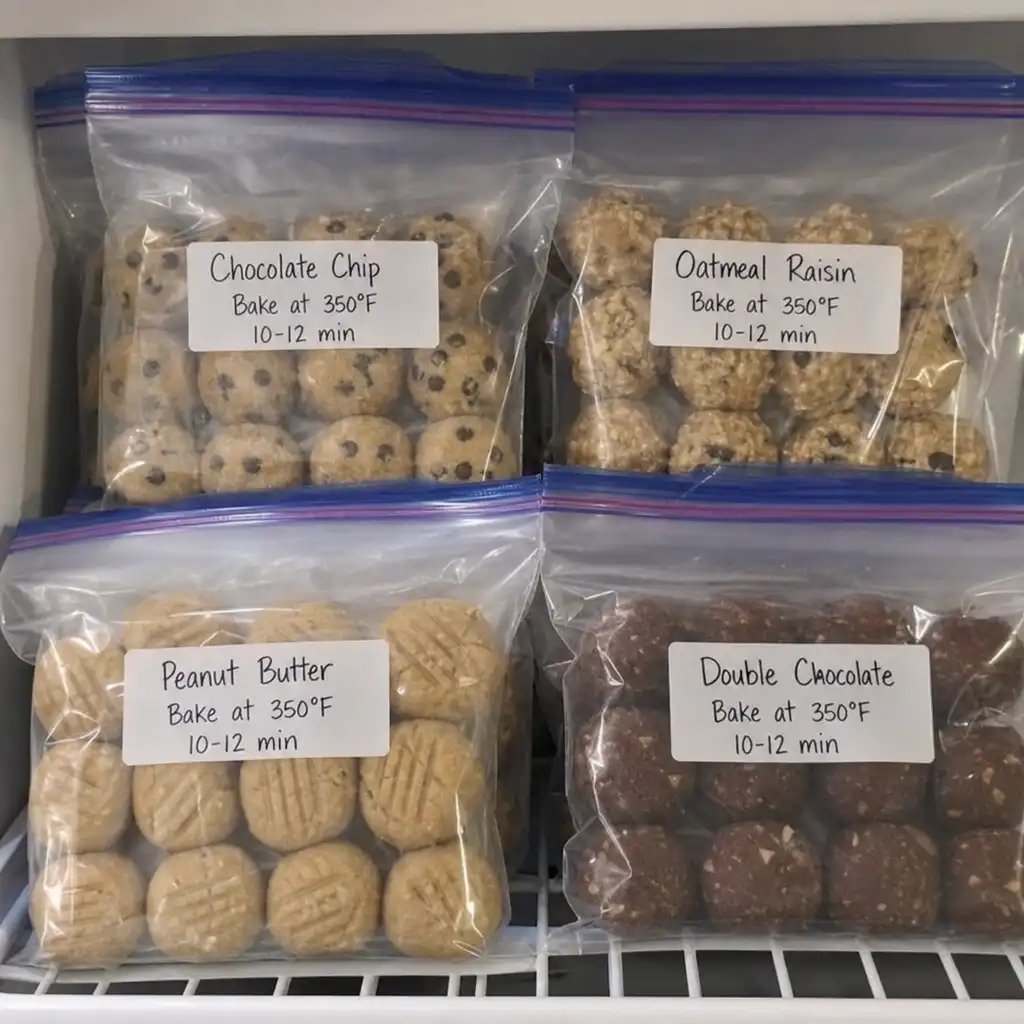
- Label with the cookie name, date, baking temperature, and estimated baking time.
Freezing scooped dough makes baking frozen cookies simple. You can pull out exactly the number you want without thawing the entire batch.
Slice-and-bake dough
For shortbread, butter cookies, and icebox cookies, shape the dough into logs before freezing. Wrap tightly in plastic wrap, then place inside a freezer bag.
When ready to bake, let the dough sit just long enough to slice cleanly. If it becomes too soft, chill it again before baking.
Cutout cookie dough
For sugar cookies and gingerbread, you can freeze dough discs before rolling. Wrap each disc tightly and place it in a freezer bag.
You can also freeze cutout shapes before baking. Arrange shapes on a baking sheet, freeze until firm, then stack with parchment in a container. This is especially useful before busy holidays.
Bar cookie dough
Press dough into a parchment-lined pan, wrap well, and freeze. You can thaw before baking or bake from chilled depending on the recipe. If freezing a full pan, make sure your pan is freezer-safe and protected from air exposure.
Baking frozen cookies
Baking frozen cookies is usually straightforward, especially for portioned drop dough. In many cases, you can bake dough straight from the freezer.
For drop cookies, place frozen dough balls on a lined baking sheet and bake as usual, adding a few extra minutes if needed. Watch the first batch closely because the exact time depends on dough size, recipe, and oven performance.
Helpful tips for baking frozen cookies:
- Keep dough frozen until the oven is preheated.
- Space dough properly so cookies can spread.
- Add 1 to 3 minutes to the baking time as a starting point.
- Flatten dough slightly before baking if the cookie normally spreads very little.
- Bake a test cookie first if you are unsure.
For cutout cookies, baking from frozen can help shapes stay neat. For thicker doughs, a short rest at room temperature may help them bake evenly.
Thawing frozen cookies the right way
Good thawing matters as much as good freezing. Thawing frozen cookies too quickly or exposing them to air too soon can create condensation, soft spots, or sticky surfaces.
For most baked cookies, the best method is simple:
- Remove the container from the freezer.
- Keep it sealed.
- Let cookies thaw at room temperature.
- Open once the cookies have fully thawed.
This method helps prevent moisture from settling directly on the cookies. It is especially important when defrosting frozen cookies that are iced, glazed, or chocolate-dipped.
Small cookies may thaw in 15 to 30 minutes. Larger or thicker cookies may take longer. If cookies are stacked, give them extra time before separating layers.
Defrosting frozen cookie dough
Frozen cookie dough can often go straight into the oven, but some doughs are easier to work with after thawing.
Use these general guidelines:
- Drop dough balls: Bake from frozen or let sit briefly while the oven preheats.
- Dough discs: Thaw in the refrigerator until pliable before rolling.
- Dough logs: Rest at room temperature just until sliceable.
- Cutout shapes: Bake from frozen or slightly chilled to help preserve shape.
Avoid thawing dough at room temperature for too long. Butter can soften, dough can become sticky, and cookies may spread more than expected.
How to reheat frozen cookies
If you want that just-baked aroma, reheating can bring frozen cookies back to life. The best method depends on the cookie.
For soft cookies, warm them in a low oven for a few minutes until just heated through. This works well for chocolate chip, oatmeal, peanut butter, and frozen chocolate cookies.
For crisp cookies, use the oven instead of the microwave. A microwave can make crisp cookies soft or chewy. A brief oven refresh helps restore texture.
If using a microwave for a soft cookie, heat in very short bursts. Start with a few seconds, then check. Overheating can make cookies tough, dry, or overly soft.
When learning how to reheat frozen cookies, remember that less is more. You are warming them, not rebaking them.
Freezing chocolate cookies and chocolate-dipped cookies
Frozen chocolate cookies are often excellent because cocoa-rich doughs and brownie-style cookies tend to hold moisture well. Let them cool completely, then layer with parchment in an airtight container.
For chocolate-dipped cookies, make sure the chocolate coating is fully set before freezing. Pre-freeze in a single layer so the coating does not stick or smudge. Thaw while sealed to reduce condensation on the chocolate.
Chocolate can sometimes develop a pale surface after temperature changes. This does not always mean the cookie is spoiled, but it can affect appearance. If presentation matters, test-freeze a small sample first.
Cookie storage ideas for better freshness
Smart packaging makes a noticeable difference. These cookie storage ideas help protect flavor and texture:
- Use airtight containers with tight-fitting lids.
- Choose rigid containers for decorated or fragile cookies.
- Use freezer bags for sturdy cookies and dough portions.
- Press excess air out of bags before sealing.
- Add parchment between layers.
- Freeze different cookie flavors separately.
- Keep strongly flavored cookies, such as peppermint or spice cookies, away from mild butter cookies.
- Label containers with baking instructions when freezing dough.
If you plan to gift cookies later, freeze them undecorated when possible and add final toppings after thawing. This keeps decorations fresher and gives you more control over presentation.
Common freezing mistakes to avoid
Even simple freezer storage can go wrong if cookies are rushed or loosely packed. Avoid these common mistakes:
Freezing cookies before they cool
This traps steam and can cause icy buildup or soggy thawed cookies.
Using thin packaging only
A single loose sandwich bag is not enough for long freezer storage. Use freezer-grade bags or airtight containers.
Stacking decorated cookies too soon
Icing, glaze, and chocolate need time to firm up. When in doubt, pre-freeze first.
Mixing flavors in one container
Cookies absorb aromas easily. Peppermint, peanut butter, spice, and chocolate can transfer flavor to milder cookies.
Opening the container during thawing
This is a major cause of condensation on icing or chocolate. Keep the package closed until cookies reach room temperature.
Forgetting baking instructions
Frozen cookie dough is convenient only if you know how to bake it later. Label the container with the oven temperature and any notes you will need.
Quick guide by cookie type
Use these simple recommendations when deciding how to freeze cookies based on style:
- Chocolate chip cookies: Freeze baked or as dough balls. Bake dough from frozen with a few extra minutes.
- Sugar cookies: Freeze plain, decorated, or as dough discs. For iced cookies, make sure the icing is fully set.
- Shortbread: Freeze baked cookies or dough logs. Protect from breakage and freezer odors.
- Oatmeal cookies: Freeze well baked or unbaked. Store with parchment if very soft.
- Brownie cookies: Freeze baked cookies in airtight layers. Thaw sealed for the best texture.
- Gingerbread: Freeze dough discs, cutout shapes, or baked cookies. Decorate after thawing if possible.
- Sandwich cookies: Freeze only if the filling is firm and freezer-friendly.
Final cookie freezing tips
Freezing cookies is all about controlling air, moisture, and timing. Cool baked cookies fully, pack them airtight, layer with parchment, and thaw them while still sealed. For dough, portion it before freezing so you can bake fresh cookies whenever the craving hits.
If you are preparing for a holiday, party, bake sale, or weeknight dessert stash, a freezer can become your best baking assistant. With the right approach, frozen cookies and frozen cookie dough can taste wonderfully fresh, save time, and make homemade treats easier to enjoy whenever you want them.