
Chipless cookies are proof that a great cookie does not need chocolate chips, nuts, candy pieces, or mix-ins to be memorable. When the dough is balanced, the butter is flavorful, and the baking time is just right, a simple cookie becomes rich, chewy, golden-edged, and deeply satisfying.
This guide walks you through a reliable chipless cookies recipe, plus the techniques that make the difference between cookies that are merely good and cookies that taste bakery-worthy. Whether you are baking for a crowd, stocking the freezer, or looking for an easy cookie recipe you can make with pantry staples, these no-chip cookies deliver comfort without complication.
What Are Chipless Cookies?
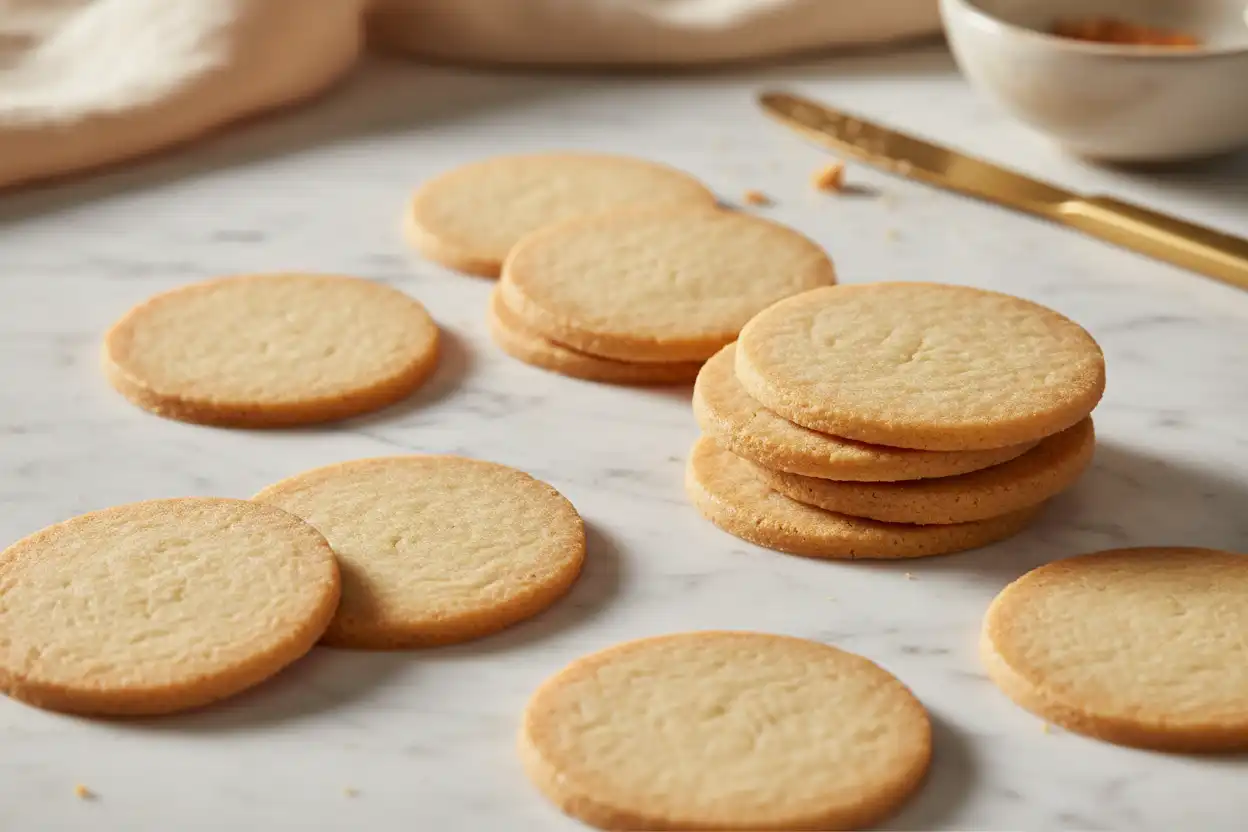
Chipless cookies are cookies made without chocolate chips or chunky add-ins. They are often based on classic chocolate chip cookie dough, but the focus shifts to the dough itself: butter, sugar, vanilla, flour, salt, and the way they work together.
Because there are no mix-ins to hide behind, the texture and flavor matter more. A good batch should have:
- Crisp, lightly golden edges
- Soft, chewy centers
- A buttery vanilla aroma
- Balanced sweetness
- A hint of salt to keep the flavor from tasting flat
Think of them as the purest version of homemade cookies: simple ingredients, careful technique, and big payoff.
Why This Cookie Recipe Works
The best cookie recipe is not just a list of ingredients. It is a balance of fat, sugar, flour, moisture, and heat. This version uses a blend of brown sugar and granulated sugar for both flavor and structure. Brown sugar adds moisture and chew, while granulated sugar helps the edges spread and crisp.
Melted or softened butter can both work in cookie dough, but for this recipe, softened butter gives you more control. Creaming the butter with sugar adds air, helping the cookies bake up tender instead of dense. A little extra vanilla and enough salt make the dough flavorful even without chips.
Ingredients You’ll Need
You probably already have most of these ingredients in your kitchen.
Main ingredients
- 1 cup unsalted butter, softened
- 3/4 cup packed light brown sugar
- 1/2 cup granulated sugar
- 2 large eggs, room temperature if possible
- 2 teaspoons vanilla extract
- 2 3/4 cups all-purpose flour
- 1 teaspoon baking soda
- 1 teaspoon fine salt
- Optional: 1 tablespoon milk, only if the dough feels too dry
Optional flavor boosters
If you want to make the cookies more distinctive without turning them into mix-in cookies, try one of these:
- 1/2 teaspoon cinnamon for warmth
- 1/4 teaspoon almond extract for a bakery-style note
- 1 teaspoon maple extract for a cozy flavor
- A sprinkle of flaky salt on top before baking
- 1 tablespoon cornstarch for a softer, thicker cookie
These additions are optional. The basic recipe is designed to be delicious on its own.
Step-by-Step Instructions
1. Soften the butter properly
Softened butter should be cool to the touch but easy to press with a finger. It should not be melted, greasy, or shiny. If the butter is too warm, the dough may spread too much in the oven.
If you forgot to take the butter out ahead of time, cut it into small cubes and let it sit at room temperature for a short while. Avoid microwaving unless you can do it gently, because partially melted butter can change the cookie texture.
2. Cream the butter and sugars
Add the softened butter, brown sugar, and granulated sugar to a large mixing bowl. Beat until the mixture looks lighter, smoother, and slightly fluffy. This usually takes a couple of minutes with an electric mixer.
This step is one of the most important cookie baking tips. Creaming helps dissolve some of the sugar and creates tiny air pockets, which gives the cookies better structure.
3. Add eggs and vanilla
Beat in the eggs one at a time, mixing well after each addition. Add the vanilla extract and mix again. Scrape down the sides of the bowl so everything blends evenly.
The dough may look creamy and glossy at this stage. That is exactly what you want.
4. Mix the dry ingredients separately
In another bowl, whisk together the flour, baking soda, and salt. This helps distribute the leavening evenly so you do not end up with cookies that rise unevenly or taste salty in one bite and bland in the next.
5. Combine wet and dry ingredients
Add the dry ingredients to the wet mixture in two or three additions. Mix on low speed or stir by hand until just combined.
Do not overmix. Once flour is added, too much mixing can develop gluten, which may make cookies tougher instead of tender.
6. Chill the dough
For the best flavor and texture, chill the dough for at least 30 minutes. If you have more time, chilling for a few hours can make the cookies even better.
Chilling helps the flour hydrate, firms the butter, and slows spreading. It also deepens the flavor, making the finished cookies taste more complex.
7. Scoop and shape
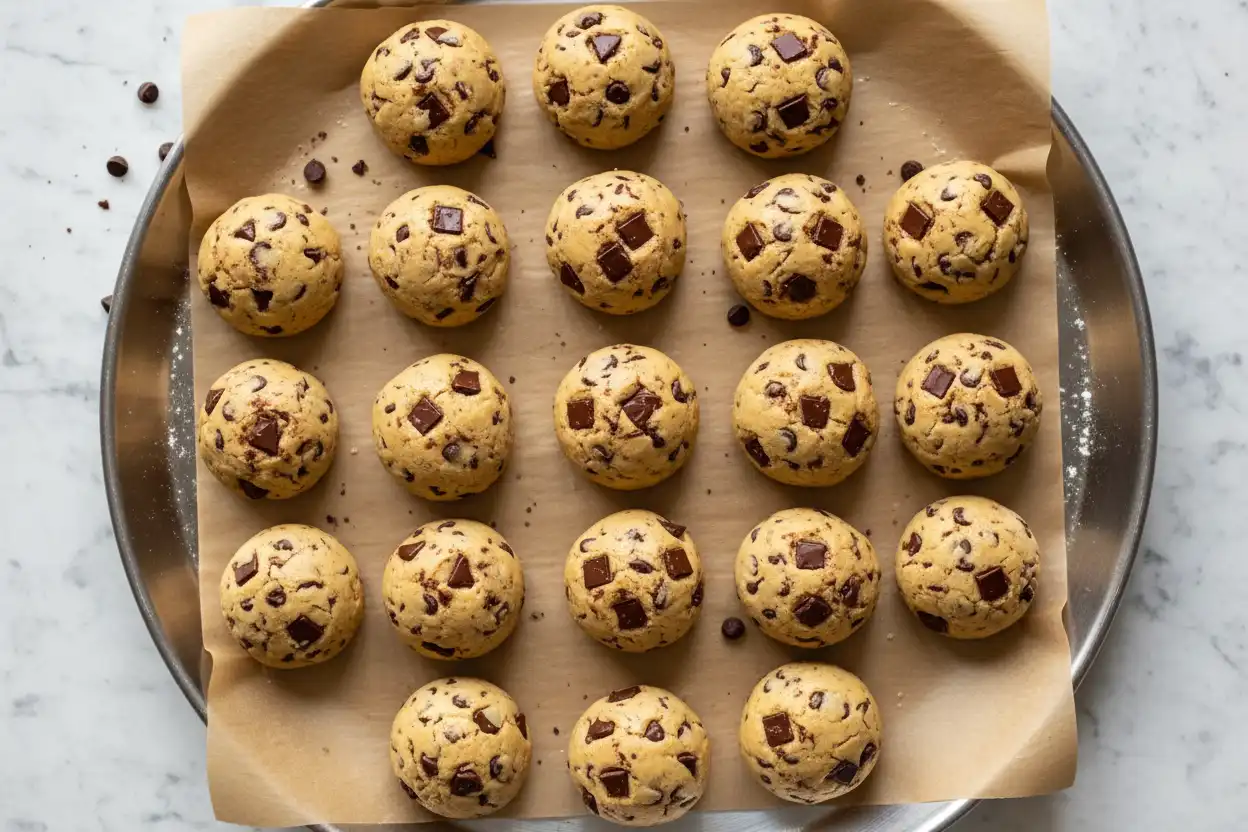
Line a baking sheet with parchment paper. Scoop the dough into balls, using about 1 1/2 to 2 tablespoons of dough per cookie. Space them a few inches apart so they have room to spread.
For a more polished look, roll each portion lightly between your hands. If you like thicker cookies, keep the dough balls taller rather than flattening them.
8. Bake until the edges are set
Bake at 350°F until the edges are lightly golden and the centers still look slightly soft. Depending on the size of your cookies and your oven, this often takes about 10 to 12 minutes.
Do not wait until the centers look fully firm in the oven. Cookies continue to set as they cool on the baking sheet.
9. Cool before serving
Let the cookies rest on the baking sheet for about 5 minutes, then transfer them to a wire rack. This short rest allows the centers to finish setting without becoming dry.
Texture Guide: Soft, Chewy, or Crispy
One of the best things about no-chip cookies is how easy they are to customize. Small changes can create a very different texture.
to make softer cookies:
- Use more brown sugar than granulated sugar
- Add 1 tablespoon cornstarch to the dry ingredients
- Slightly underbake the centers
- Chill the dough before baking
For chewier cookies:
- Use melted butter, then chill the dough well
- Add an extra egg yolk instead of a whole extra egg
- Let the dough rest in the fridge for several hours
- Bake until the edges are set but the centers remain soft
to bake crispier cookies:
- Use a little more granulated sugar
- Flatten the dough balls slightly before baking
- Bake a minute or two longer
- Let the cookies cool completely before storing
Common Mistakes to Avoid
Even an easy cookie recipe can go wrong if a few details are overlooked. Here are the most common issues and how to fix them.
Cookies spread too much
This usually happens when the butter is too warm, the dough was not chilled, or there is not enough flour. Chill the dough before baking and make sure you measure the flour correctly.
For best results, spoon flour into the measuring cup and level it off instead of scooping directly from the bag. Scooping can pack in too much flour, but using too little flour can cause excess spread.
Cookies are too dry
Dry cookies may be overbaked or made with too much flour. Pull them from the oven when the centers still look a little soft. If the dough feels crumbly before baking, add a small splash of milk.
Cookies taste bland
Because chipless cookies do not have chocolate or other mix-ins, seasoning matters. Do not skip the salt. Use real vanilla extract if you can, and consider finishing the cookies with a tiny sprinkle of flaky salt.
Cookies are cakey instead of chewy
Too much flour, too much egg, or overmixing can lead to cakey cookies. Mix only until combined and avoid adding extra flour unless the dough is truly sticky and unmanageable.
Healthy Cookie Variations
If you are interested in healthy cookies, you can make small adjustments while still keeping the recipe enjoyable. Keep in mind that cookies are still a treat, but thoughtful swaps can make them fit your preferences better.
Try these ideas:
- Replace part of the all-purpose flour with white whole wheat flour for a slightly heartier flavor.
- Reduce the sugar by a small amount if you prefer a less sweet cookie.
- Use a smaller scoop to create portion-friendly cookies.
- Add cinnamon or citrus zest for flavor without extra sweetness.
- Use a plant-based butter substitute if you need a dairy-free version, choosing one designed for baking.
Avoid changing too many ingredients at once. Baking is chemistry, and large substitutions can affect spread, browning, and texture.
Flavor Ideas Without Chips
Chipless does not have to mean plain. You can build flavor through extracts, spices, and finishing touches while still keeping the cookie smooth and simple.
Consider these variations:
- Vanilla sugar cookies: Add an extra teaspoon of vanilla and roll the dough balls in granulated sugar before baking.
- Brown butter chipless cookies: Brown the butter, let it cool until softened, then use it in the dough for a nutty flavor.
- Cinnamon no-chip cookies: Add cinnamon to the dry ingredients and sprinkle a little cinnamon sugar on top.
- Salted caramel-style cookies: Use dark brown sugar and finish with flaky salt.
- Lemon vanilla cookies: Add lemon zest with the sugar for a bright, fragrant dough.
These variations keep the spirit of the recipe intact while giving you plenty of room to experiment.
Make-Ahead and Freezer Tips
This dough is excellent for making ahead. After mixing, scoop the dough into balls and place them on a lined baking sheet. Freeze until firm, then transfer the frozen dough balls to a freezer-safe container or bag.
When you are ready to bake, place the frozen dough on a prepared baking sheet and bake from frozen. You may need to add a couple of extra minutes to the baking time.
You can also freeze baked cookies. Let them cool completely, then store them in a freezer-safe container. To serve, thaw at room temperature. For a just-baked feel, warm them briefly before eating.
Storage Tips for Fresh Homemade Cookies
Store cooled cookies in an airtight container at room temperature. They are usually best within a few days, though the exact freshness window depends on your kitchen environment and how the cookies are stored.
To help maintain softness, place a small piece of bread in the container with the cookies. The cookies absorb some moisture from the bread, which can keep them tender longer.
If you prefer crisp cookies, skip the bread and make sure the cookies are fully cool before storing. Warm cookies release steam, which can soften crisp edges.
Best Tools for Better Cookies
You do not need fancy equipment, but a few simple tools make the process easier and more consistent.
Helpful tools include:
- A sturdy mixing bowl
- Hand mixer or stand mixer
- Measuring cups and spoons
- Kitchen scale, if you prefer precise measuring
- Cookie scoop for even portions
- Parchment paper
- Light-colored baking sheets
- Wire cooling rack
A cookie scoop is especially useful because evenly sized dough balls bake at the same rate. That means fewer overbaked small cookies and underbaked large ones.
Essential Cookie Baking Tips
For dependable results, keep these cookie baking tips in mind every time you bake:
- Start with properly softened butter, not melted butter unless the recipe calls for it.
- Measure flour carefully.
- Chill the dough if you want thicker cookies.
- Bake one sheet at a time for the most even results.
- Use parchment paper to prevent sticking and encourage even browning.
- Rotate the baking sheet if your oven has hot spots.
- Pull cookies from the oven when the centers still look slightly soft.
- Let cookies cool on the baking sheet before moving them.
These small habits can dramatically improve your homemade cookies, especially when baking a simple recipe where every detail shows.
Frequently Asked Questions
Can I make chipless cookies without chilling the dough?
Yes, but the cookies may spread more and taste slightly less developed. If you are short on time, chill the dough while the oven preheats. Even a brief rest can help.
Can I use salted butter?
Yes. If using salted butter, reduce the added salt slightly. The exact saltiness can vary by brand, so adjust based on your taste.
Why are my cookies puffy and not spreading?
The dough may have too much flour, or it may be very cold. Let the dough sit at room temperature for a few minutes before baking, or gently press the dough balls down before they go into the oven.
Can I turn this into a slice-and-bake recipe?
Yes. Shape the dough into a log, wrap it well, and chill until firm. Slice into rounds and bake. The texture may be slightly different, but it is a convenient option.
Are chipless cookies the same as sugar cookies?
Not exactly. Sugar cookies are often lighter, sweeter, and sometimes designed for rolling and cutting. Chipless cookies usually have a richer brown-sugar flavor and a chewy texture similar to classic chocolate chip cookies without the chips.
Final Thoughts
A great chipless cookies recipe celebrates the flavor of the dough itself. With quality vanilla, balanced sugar, enough salt, and careful baking, these cookies are simple but never boring.
Use this guide as your base, then adjust the texture and flavor to match your ideal cookie. Whether you like them soft and thick, chewy in the center, or crisp around the edges, these no-chip cookies are a dependable treat you can make anytime with ingredients you likely already have on hand.