
Whether you bake for celiac needs, wheat sensitivity, a gluten-free lifestyle, or simply a friend who can’t eat traditional flour, cookies are one of the most rewarding places to start. The best gluten-free cookies are not “almost as good” as classic cookies—they can be chewy, crisp-edged, buttery, chocolatey, and deeply satisfying in their own right.
This guide walks through what makes gluten-free cookie baking different, which ingredients help create the best texture, and several delicious recipes you can make at home. You’ll also find tips for no-bake cookies, oatmeal cookies, flour swaps, storage, and turning your favorite gluten free recipes into reliable everyday treats.
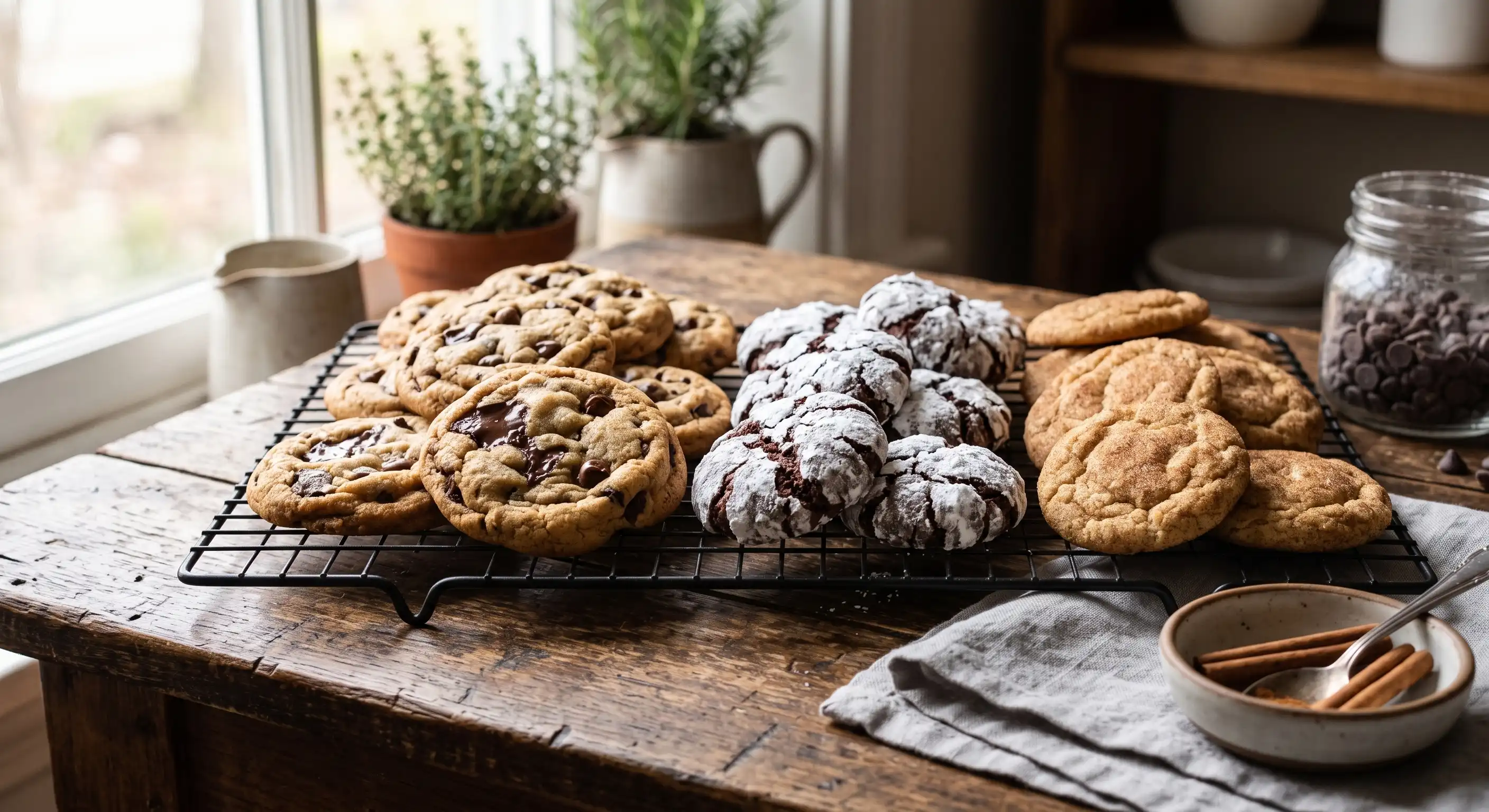
Why Gluten-Free Cookies Need a Slightly Different Approach
Traditional cookies usually rely on wheat flour for structure. Wheat contains gluten, a protein network that helps baked goods hold together. Without it, cookies can sometimes turn out crumbly, gritty, dry, or too delicate.
The good news: cookies are actually easier to make gluten-free than many other baked goods. Unlike bread, cookies don’t need a strong rise or chewy gluten structure. With the right flour blend, enough moisture, and a short rest time, homemade gluten free cookies can be just as crave-worthy as the classics.
A few gluten-free baking principles make a big difference:
- Use a balanced flour blend. A cup-for-cup gluten-free baking flour usually works best for beginner-friendly cookies.
- Let dough rest before baking. Resting for 20 to 30 minutes hydrates the flour and reduces grittiness.
- Measure carefully. Gluten-free flours vary in density, so spoon flour into the measuring cup and level it off.
- Check labels. Oats, chocolate chips, baking powder, sprinkles, and mix-ins can be exposed to gluten during processing.
- Avoid overbaking. Gluten-free cookies often firm up as they cool, so pull them from the oven when the centers still look slightly soft.
Essential Ingredients for Better Gluten-Free Cookies
You don’t need a specialty pantry to make easy gluten free cookies, but a few ingredients are especially useful.
Gluten-Free Flour Blend
A store-bought 1-to-1 gluten-free flour blend is the simplest choice. Look for one designed for baking, ideally with a mix of rice flour, starches, and a binder such as xanthan gum. If your blend does not contain xanthan gum, some recipes may need a small amount added for structure.
Almond Flour for gluten-free cookies
Almond flour adds moisture, richness, and a tender crumb. It works beautifully in healthy cookie recipes, especially when paired with peanut butter, chocolate, coconut, or oats. Because almond flour is high in fat and behaves differently from grain-based flour, it is not always a direct substitute for all-purpose flour.
Certified Gluten-Free Oats
Oats are naturally gluten-free, but they are often processed in facilities that also handle wheat, barley, or rye. If you are baking for someone who must avoid gluten strictly, use oats labeled certified gluten-free. This is especially important for gluten free oatmeal cookies and no-bake cookie recipes.
Nut Butters
Peanut butter, almond butter, and cashew butter help bind dough while adding flavor and richness. They are excellent in flourless cookies and chewy snack-style cookies.
Brown Sugar, Maple Syrup, or Honey
Sweeteners do more than add sweetness. Brown sugar adds chewiness, maple syrup adds moisture, and honey can help hold ingredients together. Liquid sweeteners may require recipe-specific adjustments, so avoid swapping them freely unless the recipe allows it.
Recipe 1: Classic Gluten-Free Chocolate Chip Cookies
These are the cookies to make when you want something familiar: golden edges, soft centers, and plenty of chocolate. They are simple, reliable, and perfect for anyone new to gluten free recipes.
Ingredients
- 1/2 cup unsalted butter, softened
- 1/2 cup brown sugar
- 1/4 cup granulated sugar
- 1 large egg
- 1 teaspoon vanilla extract
- 1 1/4 cups gluten-free 1-to-1 baking flour
- 1/2 teaspoon baking soda
- 1/2 teaspoon salt
- 3/4 cup gluten-free chocolate chips
Instructions
- In a large bowl, cream the softened butter, brown sugar, and granulated sugar until smooth.
- Mix in the egg and vanilla until fully combined.
- Add the gluten-free flour, baking soda, and salt. Stir until a soft dough forms.
- Fold in the chocolate chips.
- Let the dough rest for 20 to 30 minutes at room temperature.
- Preheat the oven to 350°F and line a baking sheet with parchment paper.
- Scoop dough into rounded tablespoons and place them a few inches apart.
- Bake for 9 to 11 minutes, until the edges are lightly golden and the centers look just set.
- Cool on the baking sheet for 10 minutes before moving to a wire rack.
Baking Tip
For thicker cookies, chill the dough for 30 minutes before baking. For thinner cookies, gently press each dough ball before it goes into the oven.
Recipe 2: Chewy Gluten-Free Oatmeal Cookies
Gluten free oatmeal cookies are hearty, cozy, and endlessly customizable. This version has cinnamon, brown sugar, and a soft-chewy texture that makes it ideal for lunchboxes, afternoon coffee, or casual gluten free snacks.
Ingredients
- 1/2 cup unsalted butter, softened
- 2/3 cup brown sugar
- 1 large egg
- 1 teaspoon vanilla extract
- 1 cup certified gluten-free rolled oats
- 3/4 cup gluten-free 1-to-1 baking flour
- 1/2 teaspoon baking soda
- 1 teaspoon cinnamon
- 1/4 teaspoon salt
- 1/2 cup raisins, chocolate chips, or chopped nuts
Instructions
- Cream the butter and brown sugar until smooth.
- Add the egg and vanilla, then mix until combined.
- Stir in the oats, gluten-free flour, baking soda, cinnamon, and salt.
- Fold in raisins, chocolate chips, or nuts.
- Let the dough rest for 20 minutes so the oats and flour can absorb moisture.
- Preheat the oven to 350°F and line a baking sheet with parchment paper.
- Scoop the dough into mounds and place them on the prepared sheet.
- Bake for 10 to 12 minutes, until the edges are set.
- Cool before serving, since the cookies will firm as they rest.
Flavor Variations
Try adding shredded coconut, dried cranberries, chopped pecans, or a pinch of nutmeg. If you prefer a breakfast-inspired cookie, reduce the chocolate and add seeds or chopped dried fruit.
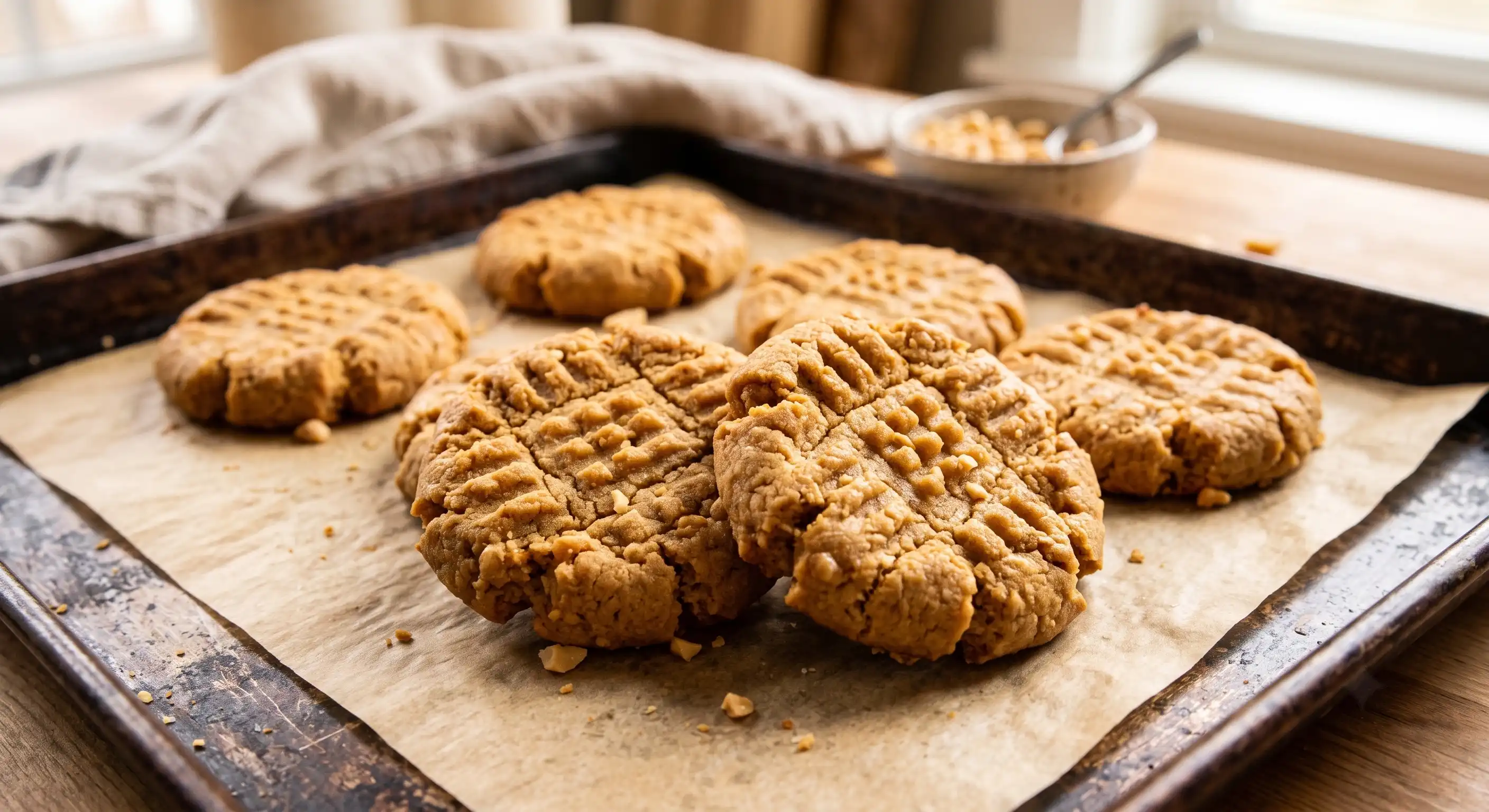
Recipe 3: Flourless Peanut Butter Cookies
These cookies are naturally gluten-free when made with gluten-free labeled ingredients. They are rich, soft, and wonderfully simple—just the kind of easy gluten free recipe you can make with pantry staples.
Ingredients
- 1 cup creamy peanut butter
- 1/2 cup brown sugar or coconut sugar
- 1 large egg
- 1 teaspoon vanilla extract
- 1/2 teaspoon baking soda
- Pinch of salt, if your peanut butter is unsalted
Instructions
- Preheat the oven to 350°F and line a baking sheet with parchment paper.
- Stir peanut butter, sugar, egg, vanilla, baking soda, and salt until a thick dough forms.
- Scoop into small balls and place on the baking sheet.
- Flatten each ball gently with a fork in a crisscross pattern.
- Bake for 8 to 10 minutes.
- Let the cookies cool on the baking sheet for at least 10 minutes before moving them.
Why This Recipe Works
Peanut butter provides fat, flavor, and structure, while the egg helps bind everything together. Because there is no flour, the cookies stay tender and dense rather than cakey.
Recipe 4: No-Bake Chocolate Oat Cookies
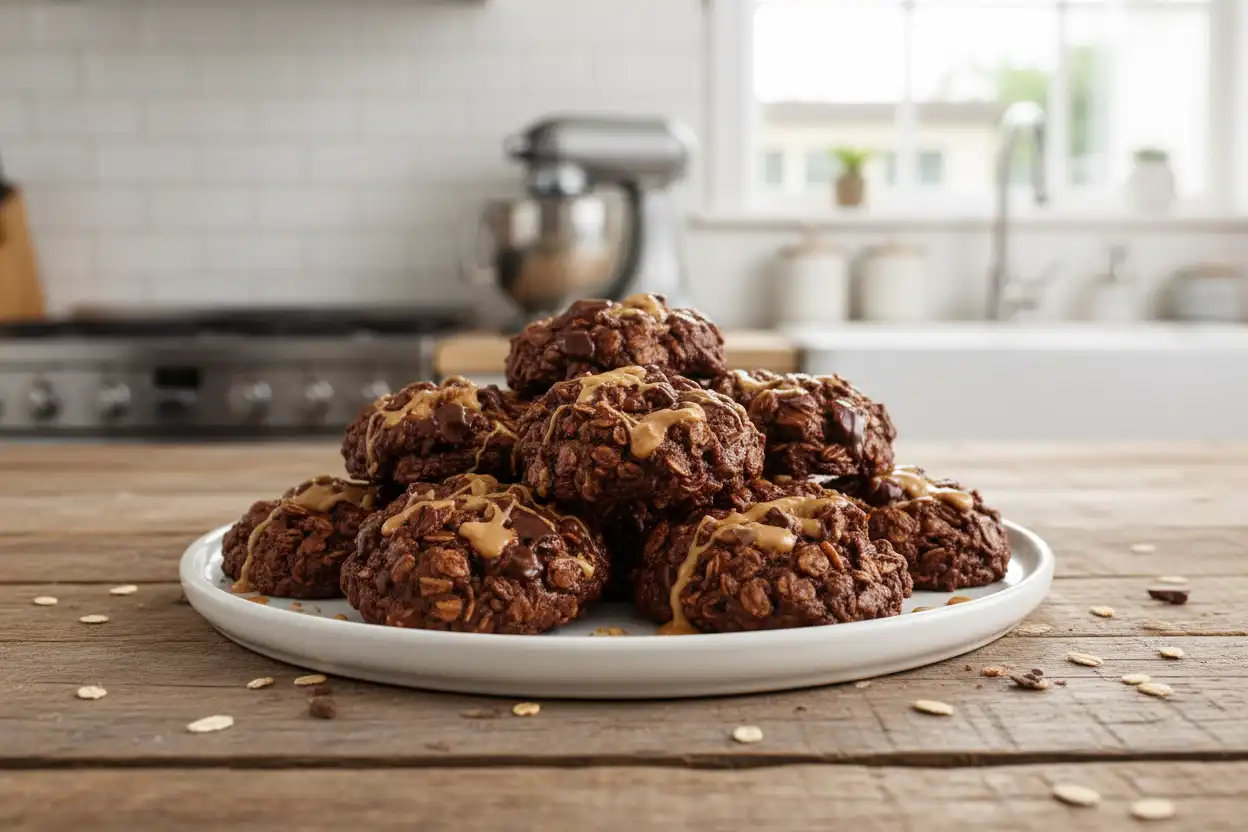
A common question is: are no bake cookies gluten free? The answer is: they can be, but not always. Classic no-bake cookies often use oats, peanut butter, cocoa powder, sugar, butter, and milk. The recipe itself may not contain wheat flour, but the oats and other packaged ingredients must be gluten-free labeled if you are baking for someone avoiding gluten strictly.
Ingredients
- 1/2 cup unsalted butter
- 1/2 cup milk or dairy-free milk
- 1 1/2 cups granulated sugar
- 1/4 cup unsweetened cocoa powder
- 1/2 cup peanut butter
- 1 teaspoon vanilla extract
- 3 cups certified gluten-free quick oats
- Pinch of salt
Instructions
- Line a baking sheet with parchment paper.
- In a saucepan, combine butter, milk, sugar, and cocoa powder.
- Bring the mixture to a rolling boil over medium heat, stirring frequently.
- Boil for about 1 minute, then remove from heat.
- Stir in peanut butter, vanilla, oats, and salt.
- Drop spoonfuls onto the parchment paper.
- Let the cookies set at room temperature until firm.
Texture Tip
Quick oats create a more classic no-bake texture, while rolled oats make the cookies heartier. If the mixture seems too loose, let it stand for a few minutes before scooping.
Recipe 5: Gluten-Free Almond Flour Snickerdoodles
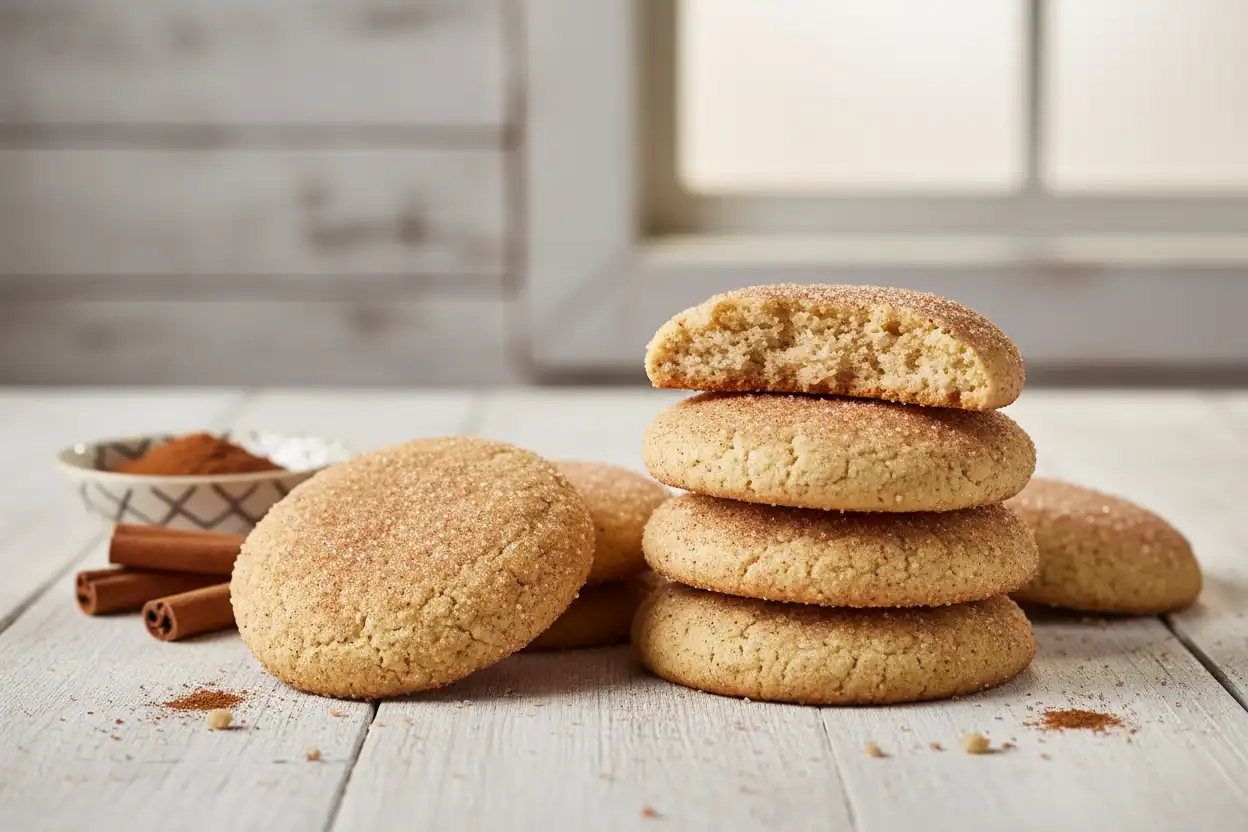
These soft cinnamon-sugar cookies are a great option when you want something tender and lightly crisp on the outside. Almond flour gives them a rich flavor, while a small amount of gluten-free flour helps them hold their shape.
Ingredients
- 1 1/2 cups almond flour
- 1/2 cup gluten-free 1-to-1 baking flour
- 1/2 teaspoon baking soda
- 1/4 teaspoon salt
- 1/3 cup softened butter or coconut oil
- 1/2 cup sugar
- 1 large egg
- 1 teaspoon vanilla extract
For rolling:
- 2 tablespoons sugar
- 1 teaspoon cinnamon
Instructions
- Preheat the oven to 350°F and line a baking sheet with parchment paper.
- Whisk almond flour, gluten-free flour, baking soda, and salt in a bowl.
- In another bowl, mix butter and sugar until smooth.
- Add the egg and vanilla.
- Stir the dry ingredients into the wet ingredients until combined.
- Mix the cinnamon and sugar for rolling in a small bowl.
- Scoop dough into balls and roll each one in cinnamon sugar.
- Place on the baking sheet and gently flatten.
- Bake for 9 to 11 minutes.
- Cool completely before serving.
How to Make Gluten-Free Cookies Healthier
Cookies are still cookies, but small choices can make them more nourishing without sacrificing flavor. If you enjoy healthy cookie recipes, focus on balance rather than removing every indulgent ingredient.
Try these ideas:
- Use nut butter for protein and richness.
- Add oats for heartier texture.
- Choose dark chocolate chips for deeper flavor.
- Mix in chopped nuts or seeds for crunch.
- Reduce sugar slightly in recipes that already include sweet mix-ins.
- Add cinnamon, vanilla, citrus zest, or espresso powder to boost flavor without extra sweetness.
- Make smaller cookies for built-in portion control.
For snack-style cookies, combine oats, mashed banana, nut butter, cinnamon, and chocolate chips. These may not taste like bakery cookies, but they make satisfying gluten free snacks for busy days.
Common Mistakes to Avoid when kaking gluten-free cookies
Even experienced bakers can run into trouble with gluten-free cookies. Here are the most common issues and how to fix them.
Cookies Are Too Crumbly
This usually means the dough needs more moisture or more binding. Try resting the dough longer, adding an egg yolk, or using a flour blend that includes xanthan gum.
Cookies Taste Gritty
Rice-based flours can feel gritty if they are not fully hydrated. Letting the dough rest before baking is the easiest fix.
Cookies Spread Too Much
The butter may be too warm, or the dough may need chilling. Refrigerate the dough for 30 to 60 minutes before baking.
Cookies Are Dry
They may be overbaked. Remove gluten-free cookies when they look slightly underdone in the center. They will continue to set as they cool.
Cookies Lack Flavor
Gluten-free baking benefits from bold flavoring. Add vanilla, cinnamon, brown sugar, citrus zest, a pinch of salt, or mix-ins like chocolate and toasted nuts.
Storage and Freezing Tips for gluten-free cookie
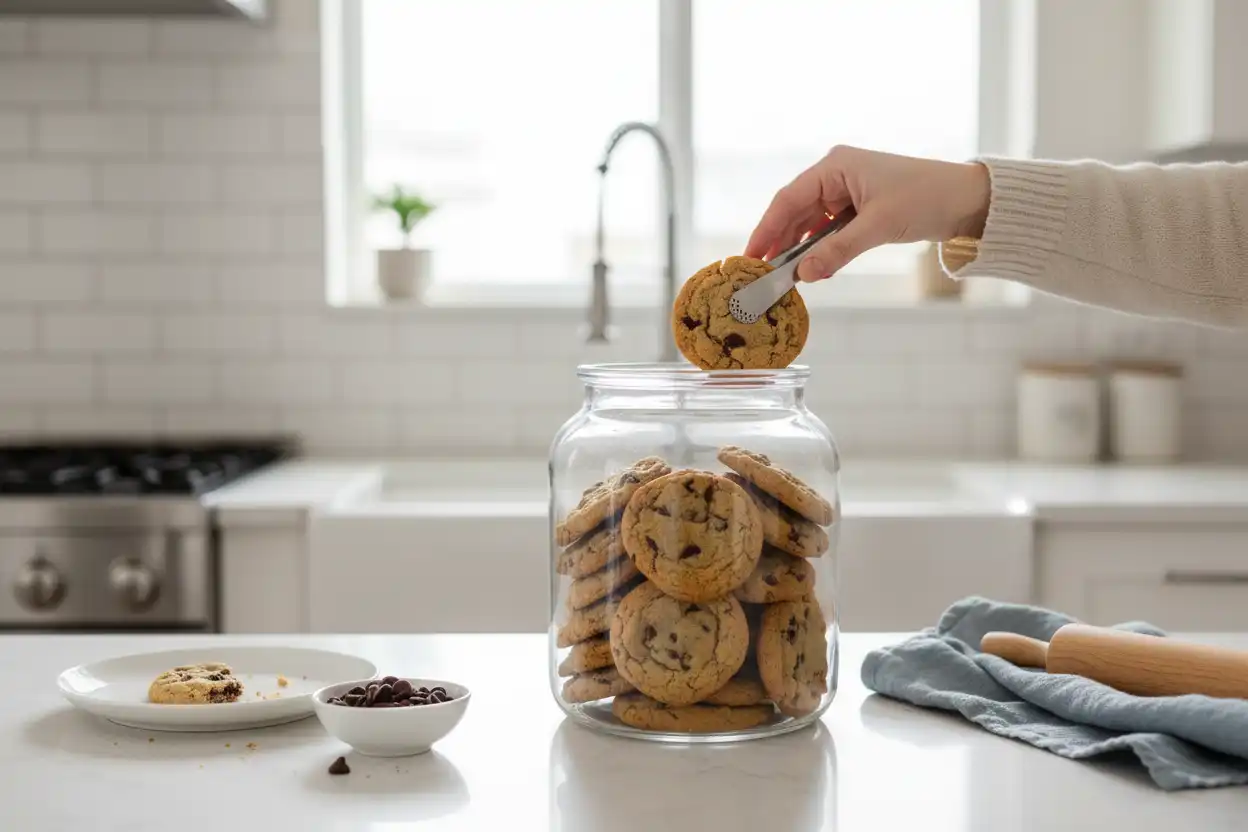
Most gluten-free cookies store well, but they can dry out faster than traditional cookies. Keep them in an airtight container once fully cooled.
For short-term storage:
- Store soft cookies at room temperature for a few days.
- Add a small piece of gluten-free bread to the container to help maintain softness.
- Keep crisp cookies separate from soft cookies so textures do not change.
For freezing:
- Freeze baked cookies in a sealed container with parchment between layers.
- Freeze unbaked dough balls on a baking sheet, then transfer to a freezer bag.
- Bake frozen dough directly from the freezer, adding a minute or two as needed.
Freezing dough is one of the best ways to keep homemade gluten free cookies ready whenever a craving hits.
Final Baking Notes
Gluten-free cookie baking becomes much easier once you understand the basics: use the right flour, check labels, rest the dough, and avoid overbaking. Start with a dependable chocolate chip cookie, then branch out into gluten free oatmeal cookies, flourless peanut butter cookies, no-bake treats, and almond flour favorites.
With a few simple techniques, gluten free cookies can be soft, chewy, crisp, rich, wholesome, or indulgent—whatever kind of cookie you’re craving. Keep your pantry stocked with gluten-free flour, certified oats, chocolate chips, and nut butter, and you’ll always be close to a fresh batch of cookies worth sharing.