
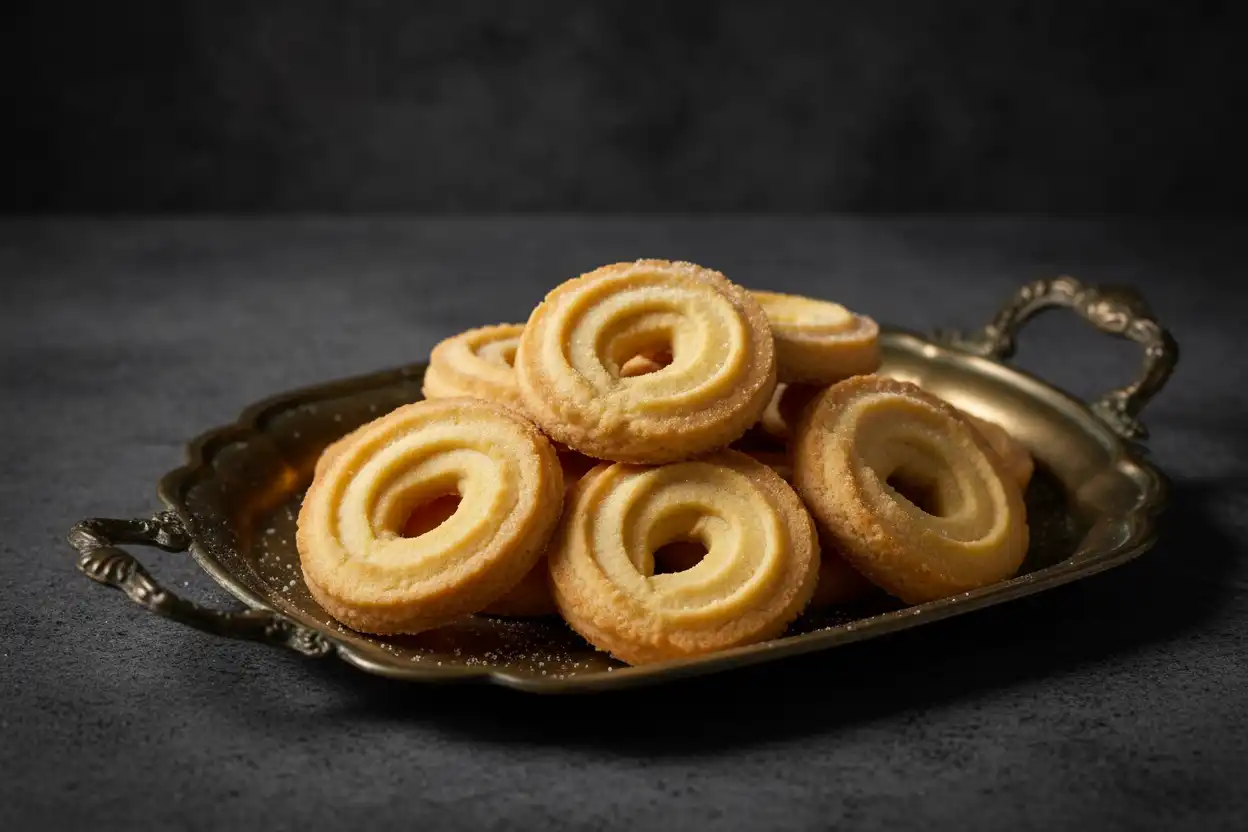
Few cookies are as comforting as a tray of golden, buttery cookies cooling on the counter. They are simple, nostalgic, and wonderfully versatile: crisp at the edges, tender in the center, and rich with the flavor of real butter. This guide walks you through an easy butter cookie recipe that works for holidays, afternoon tea, lunchbox treats, cookie boxes, or a simple weekend baking project.
The beauty of classic butter cookies is that they do not need complicated ingredients. With butter, sugar, flour, vanilla, and a few smart techniques, you can make homemade butter cookies that taste bakery-worthy without any fuss.
What Makes Butter Cookies So Good?
Butter cookies are all about balance. They should taste rich but not heavy, sweet but not sugary, and delicate without crumbling into dust. The best butter cookies usually have a few things in common:
- A high butter content for deep flavor and a tender bite
- Enough sugar to create sweetness and light crispness
- Proper mixing so the dough is smooth but not tough
- A short chill time to help the cookies hold their shape
- Simple flavoring such as vanilla, almond extract, citrus zest, or a pinch of salt
Unlike chocolate chip cookies, which rely on mix-ins, simple butter cookies depend on technique. Good butter, accurate measuring, and the right bake time make all the difference.
Ingredients You’ll Need
This butter cookies recipe uses pantry-friendly ingredients and makes a dependable batch of cookies you can shape, slice, or scoop.
Basic Ingredients
- 1 cup unsalted butter, softened
- 2/3 cup granulated sugar
- 1 large egg yolk
- 2 teaspoons vanilla extract
- 2 cups all-purpose flour
- 1/4 teaspoon fine salt
- 1 to 2 tablespoons milk, only if needed
Optional Add-Ins and Finishes
- Sanding sugar for sparkle
- Melted chocolate for dipping
- Lemon or orange zest for brightness
- Almond extract for a bakery-style flavor
- Sprinkles for holidays or birthdays
- Jam for thumbprint-style butter cookies
If you want soft butter cookies, use the shorter baking time and avoid overmixing the dough. If you prefer crisp, classic butter cookies, bake them a minute or two longer until the edges are lightly golden.
Why Softened Butter Matters
Butter is the star ingredient, so its temperature matters. Softened butter should be cool to the touch but easy to press with a finger. If it is too cold, it will not cream smoothly with the sugar. If it is melted or greasy, the cookies may spread too much.
A good rule is to let butter sit at room temperature until it gives slightly when pressed. Do not microwave it unless absolutely necessary, because microwaving often melts the center before the outside softens evenly.
Step-by-Step Instructions
1. Cream the Butter and Sugar
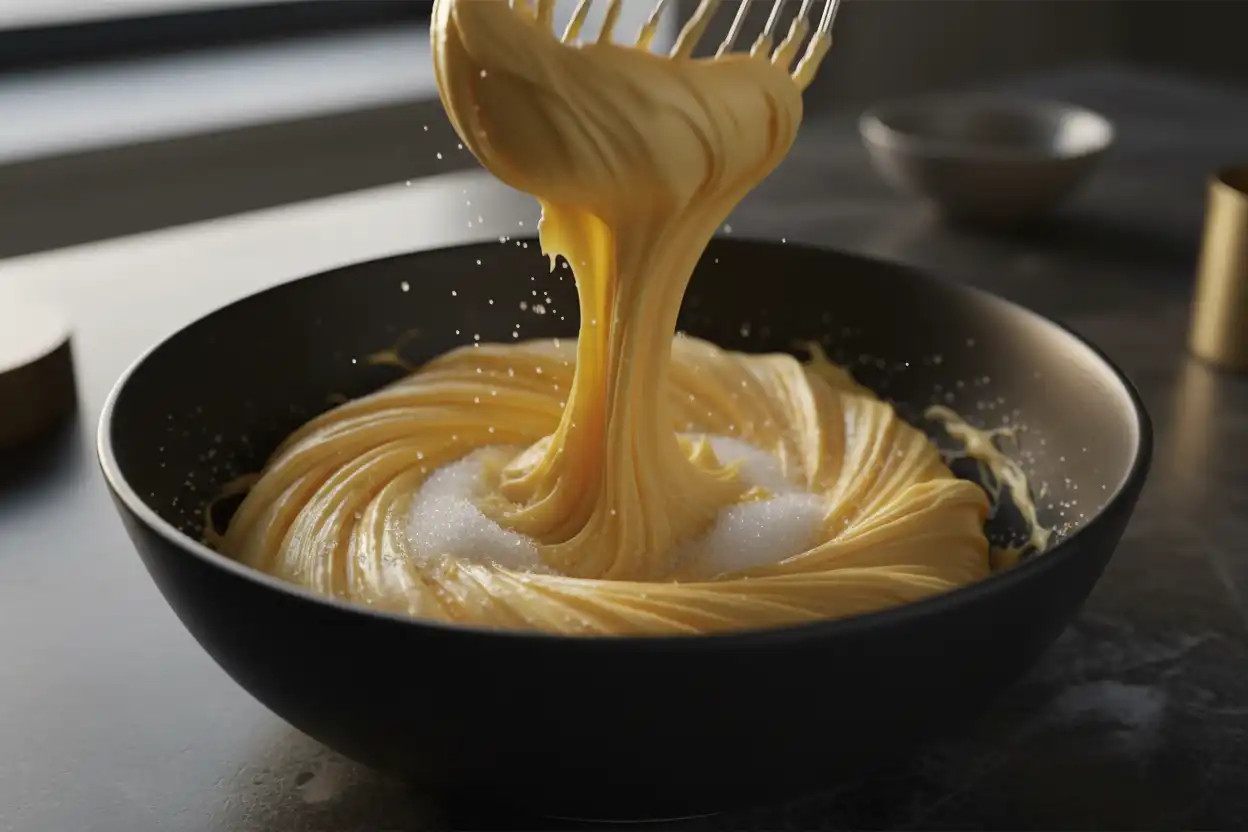
Add the softened butter and sugar to a large mixing bowl. Beat until the mixture looks pale, smooth, and slightly fluffy. This usually takes 2 to 3 minutes with an electric mixer.
This step helps create a light texture. You do not need to whip the mixture aggressively, but you do want the sugar properly blended into the butter.
2. Add the Egg Yolk and Vanilla
Mix in the egg yolk and vanilla extract until fully combined. The egg yolk adds richness and helps bind the dough without making the cookies cakey.
For a slightly more traditional bakery flavor, you can replace 1/2 teaspoon of the vanilla with almond extract. Almond extract is strong, so use it lightly.
3. Mix in the Flour and Salt
In a separate bowl, whisk together the flour and salt. Add the dry ingredients to the butter mixture in two additions, mixing on low speed just until the dough comes together.
At first, the dough may look crumbly. Keep mixing gently. If it still feels dry after the flour is incorporated, add milk 1 teaspoon at a time until the dough holds together when pressed.
4. Chill the Dough
Wrap the dough and chill it for 20 to 30 minutes. This makes it easier to handle and helps prevent spreading.
You can chill the dough longer, but if it becomes very firm, let it sit at room temperature for a few minutes before shaping.
5. Shape the Cookies
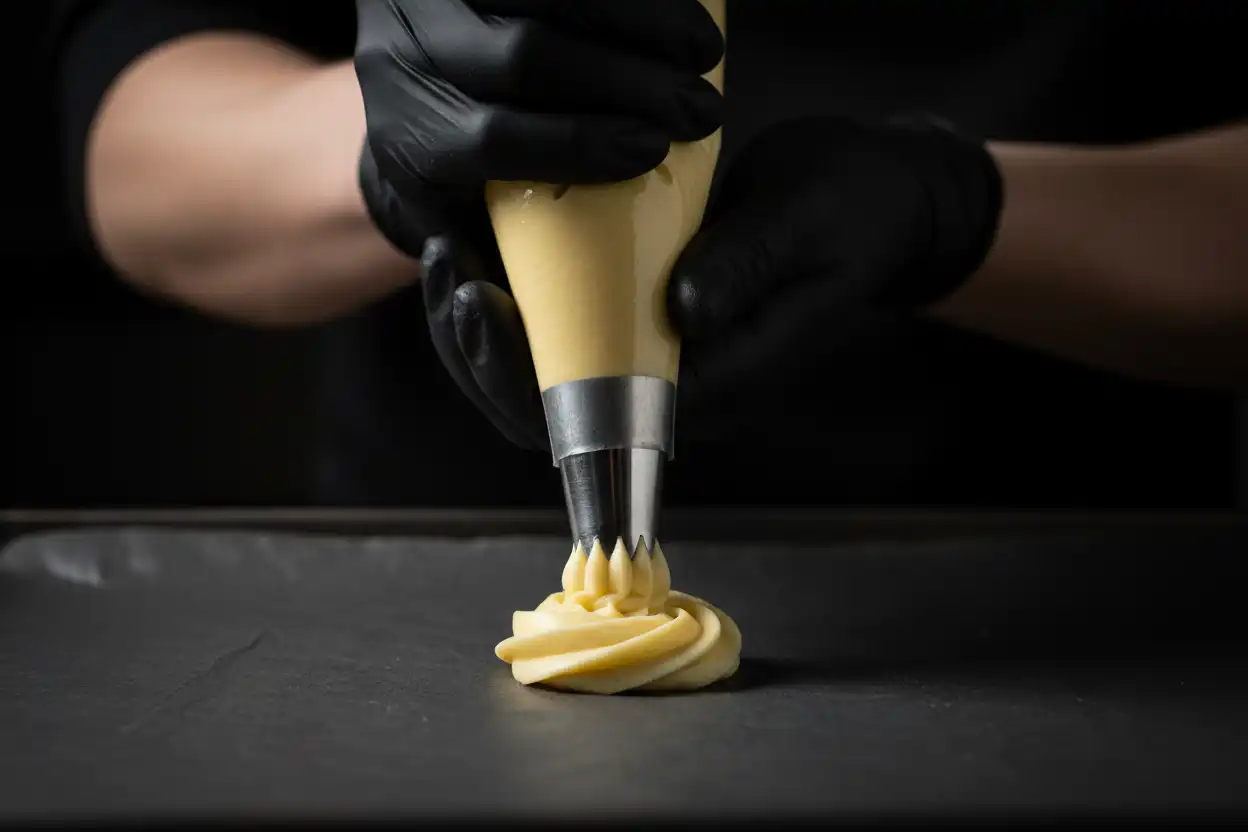
There are several ways to shape homemade butter cookies:
- Scoop and flatten: Scoop tablespoon-sized portions and gently flatten with your palm.
- Slice and bake: Roll the dough into a log, chill, then slice into rounds.
- Cut-out cookies: Roll the dough between sheets of parchment and cut with cookie cutters.
- Thumbprints: Shape into balls, press an indent in the center, and fill with a little jam after baking or during the last few minutes of baking.
For the most even baking, keep the cookies close to the same size and thickness.
6. Bake Until Lightly Golden
Preheat the oven to 350°F. Line baking sheets with parchment paper.
Place cookies about 1 inch apart on the prepared baking sheets. Bake for 10 to 13 minutes, depending on thickness. The edges should be just lightly golden, while the centers should still look pale.
Let the cookies cool on the baking sheet for 5 minutes before transferring them to a wire rack. Butter cookies are delicate when hot and firm up as they cool.
Tips for the Best Butter Cookies
Measure Flour Carefully
Too much flour is one of the most common reasons butter cookies turn dry. For best results, spoon flour into the measuring cup and level it off instead of scooping directly from the bag. Scooping packs the flour down and can add more than the recipe needs.
Don’t Overmix After Adding Flour
Once flour enters the bowl, mix only until combined. Overmixing develops gluten, which can make cookies tough instead of tender.
Use Good Butter
Because this is a simple butter cookie recipe, the butter flavor really comes through. Use a butter you enjoy eating. Unsalted butter gives you more control over the final flavor, but salted butter can work if you reduce or omit the added salt.
Keep the Dough Cool
Warm dough spreads more quickly. If your kitchen is warm or the dough becomes sticky, chill it again before baking.
Pull Them Before They Look Fully Brown
Classic butter cookies should not be deeply browned. They are done when the edges turn light golden and the tops look set. The cookies will continue to firm as they cool.
How to Make Soft Butter Cookies
If your ideal cookie is tender and soft rather than crisp, use these adjustments:
- Bake on the shorter end of the time range.
- Make the cookies slightly thicker.
- Do not overbake; remove them when the edges are barely golden.
- Store them in an airtight container once fully cool.
- Add 1 teaspoon of cornstarch to the flour for an extra-soft texture.
Soft butter cookies are especially good with a simple glaze, a dusting of powdered sugar, or a drizzle of melted chocolate.
How to Make Crisp Butter Cookies
For cookies with a more traditional crisp snap, try these tips:
- Roll or slice the dough a little thinner.
- Bake until the edges are more noticeably golden.
- Let the cookies cool completely before storing.
- Avoid adding too much milk to the dough.
- Store them loosely covered if you want to preserve more crispness.
Crisp butter cookies are perfect for dipping in coffee, tea, hot chocolate, or milk.
Easy Flavor Variations
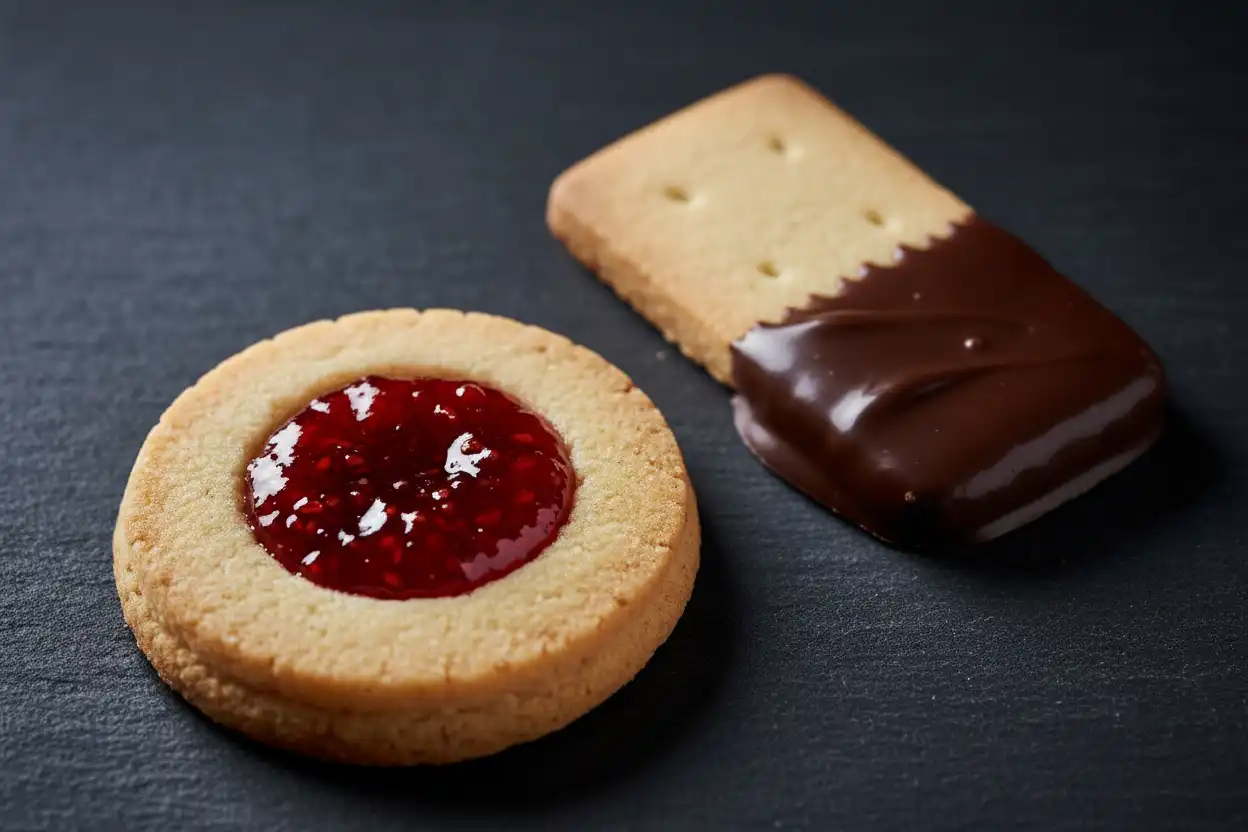
Once you master the base butter cookie recipe, you can customize it in many ways.
Chocolate-Dipped Butter Cookies
Bake and cool the cookies completely. Dip half of each cookie in melted chocolate, then place on parchment until set. Add chopped nuts, sprinkles, or flaky salt before the chocolate hardens.
Lemon Butter Cookies
Add 1 tablespoon of finely grated lemon zest to the butter and sugar. For extra citrus flavor, finish the cooled cookies with a lemon glaze made from powdered sugar and lemon juice.
Almond Butter Cookies
Use 1 1/2 teaspoons vanilla extract and 1/2 teaspoon almond extract. Top with sliced almonds before baking for a simple, elegant finish.
Holiday Butter Cookies
Decorate with colored sanding sugar before baking, or dip cooled cookies in white chocolate and add festive sprinkles. This version is excellent for cookie swaps and gift boxes.
Peanut Butter Cup-Inspired Variation
If you came here while looking for a Reese’s peanut butter cup cookies recipe, you can still use this dough as a buttery base for a candy-inspired variation. Shape the dough into small rounds, bake until just set, and gently press a mini peanut butter cup into the center while the cookies are still warm. The result is not a traditional peanut butter cookie, but it is a fun twist for chocolate-peanut butter fans.
Common Mistakes to Avoid
Using Melted Butter
Melted butter changes the structure of the dough and can cause the cookies to spread too much. Start with softened, not melted, butter.
Skipping the Chill Time
Some cookie doughs can go straight into the oven, but chilling helps butter cookies keep their shape and improves the final texture.
Baking Too Long
Butter cookies can go from perfect to dry quickly. Watch the edges instead of waiting for the tops to brown.
Moving Cookies Too Soon
Freshly baked butter cookies are fragile. Let them rest on the baking sheet before transferring them.
How to Store Butter Cookies
Once completely cool, store the cookies in an airtight container at room temperature. They are usually best within several days, though the exact timing depends on your kitchen and how they are decorated.
If you add glaze, jam, or chocolate, let the topping set before stacking. Place parchment between layers to protect the cookies.
Can You Freeze Butter Cookies?
Yes. Butter cookies freeze well, either baked or unbaked.
For baked cookies, cool completely, then freeze in a sealed container with parchment between layers. Thaw at room temperature before serving.
For unbaked dough, shape it into a log or discs, wrap tightly, and freeze. Thaw in the refrigerator before slicing, rolling, or baking. You can also freeze shaped cookie dough balls and bake them later, adding a minute or two to the bake time if needed.
Serving Ideas
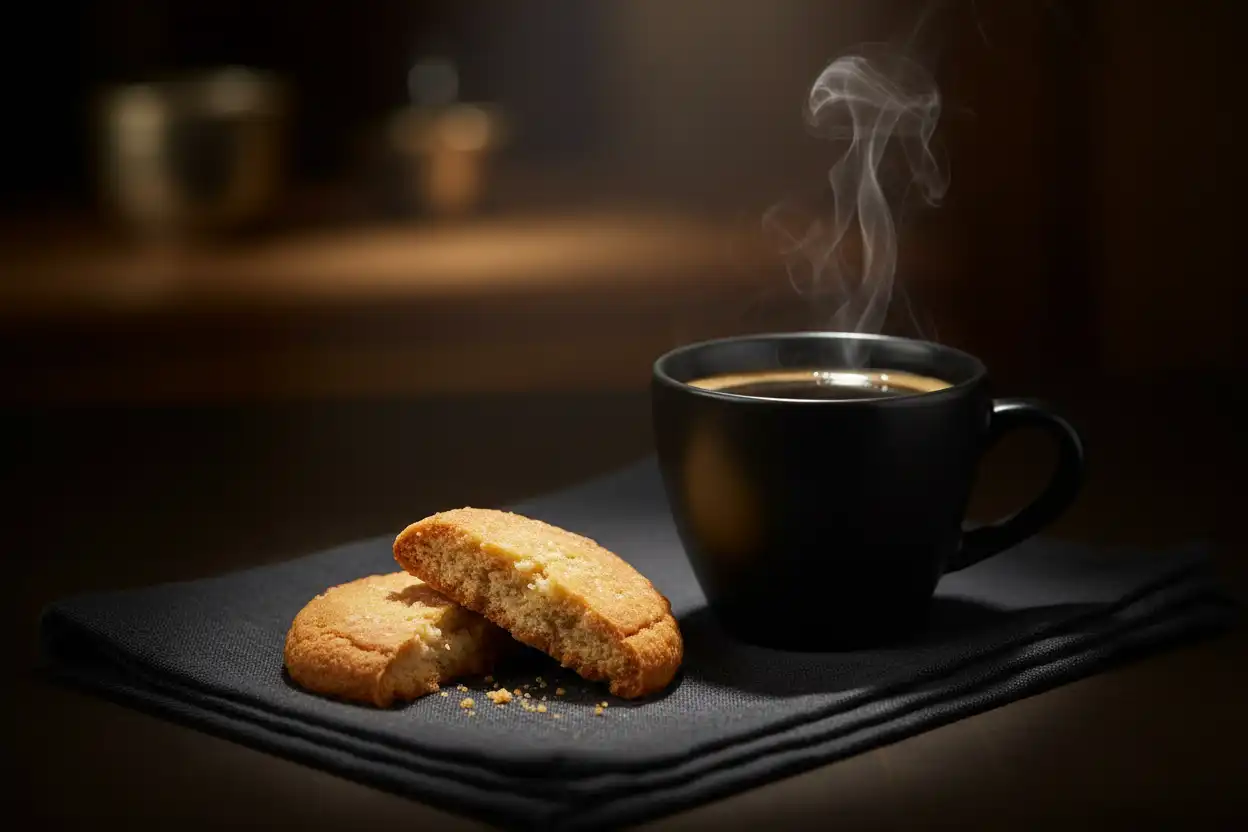
These cookies are simple enough for everyday snacking but pretty enough for special occasions. Serve them with:
- Coffee or espresso
- Black tea, chai, or herbal tea
- Hot cocoa
- Fresh berries
- Vanilla ice cream
- Lemon curd or fruit preserves
- A holiday dessert platter
For gifting, stack the cookies in a tin lined with parchment or place them in small treat bags with ribbon. Their simple flavor pairs well with other cookies, especially chocolate cookies, gingerbread, shortbread, and jam-filled cookies.
Frequently Asked Questions
Are butter cookies the same as shortbread?
They are similar, but not exactly the same. Shortbread is often more crumbly and traditionally made with a higher ratio of butter to sugar and flour. Butter cookies usually include egg or egg yolk, which gives them a slightly more flexible dough and a tender, cookie-like bite.
Can I make this recipe without a mixer?
Yes, but the butter must be properly softened. Use a sturdy spoon or spatula to blend the butter and sugar until smooth, then mix in the remaining ingredients. The texture may be slightly denser, but the cookies will still taste delicious.
Why did my cookies spread?
The dough may have been too warm, the butter may have been too soft, or the baking sheet may have been hot from a previous batch. Chill the dough and use a cool baking sheet for the next round.
Why are my cookies dry?
Dry cookies usually come from too much flour or overbaking. Measure flour carefully and remove the cookies when the edges are only lightly golden.
Can I decorate these cookies?
Absolutely. This is one of the best butter cookies recipes for decorating because the flavor is simple and the dough can be shaped in different ways. Use sanding sugar before baking, or add glaze, chocolate, or sprinkles after cooling.
Final Baking Notes
Simple butter cookies prove that a recipe does not need to be complicated to be memorable. With a short ingredient list, a little chilling time, and careful baking, you can make classic butter cookies that are rich, tender, and beautifully versatile.
Whether you keep them plain, dip them in chocolate, add citrus zest, or turn them into a candy-inspired treat, this dependable butter cookie recipe is the kind of homemade staple you will want to make again and again.