
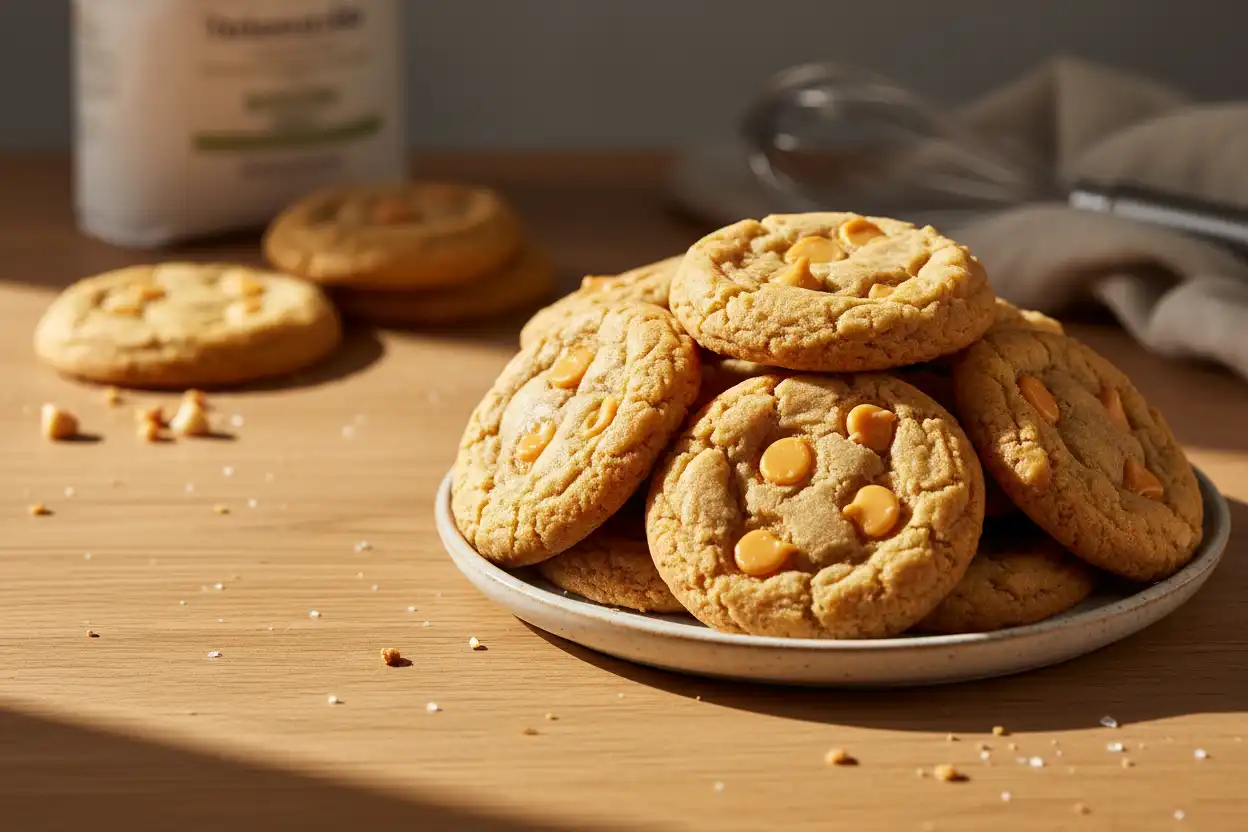
Few homemade cookies are as comforting as a warm batch of butterscotch cookies. They’re buttery, chewy, golden at the edges, and packed with that deep caramel-like butterscotch flavor that makes every bite feel nostalgic. This guide walks you through the full process, from choosing ingredients to baking, cooling, storing, and customizing your cookies so they turn out soft, flavorful, and reliable every time.
Whether you’re looking for easy cookies for a weekend bake, sweet snacks for a party, or a go-to recipe to add to your favorite cookie recipes, this method gives you a dependable base you can make again and again.
What Makes Butterscotch Cookies So Good?
Butterscotch cookies stand out because they balance richness, sweetness, and texture. The flavor is warm and buttery, with notes of brown sugar, vanilla, and caramel. Unlike plain sugar cookies or chocolate chip cookies, butterscotch cookies have a deeper, almost toffee-like taste.
The best version should be:
- Soft in the center
- Slightly chewy around the edges
- Rich with butterscotch flavor
- Sweet without tasting flat
- Easy enough for beginner bakers
- Sturdy enough to pack, gift, or freeze
The secret is using the right combination of brown sugar, butter, vanilla, and butterscotch chips. A short chill time also helps the dough bake into thick, soft cookies instead of spreading too thin.
Ingredients You’ll Need
This recipe uses simple baking staples, which makes it ideal when you want homemade cookies without a complicated shopping list.
Dry ingredients
- 2 1/4 cups all-purpose flour
- 1 teaspoon baking soda
- 1/2 teaspoon baking powder
- 1 teaspoon cornstarch
- 1/2 teaspoon fine salt
Wet ingredients
- 3/4 cup unsalted butter, softened
- 3/4 cup packed brown sugar
- 1/3 cup granulated sugar
- 1 large egg
- 1 large egg yolk
- 2 teaspoons vanilla extract
Mix-ins
- 1 1/4 cups butterscotch chips
- Optional: 1/2 cup chopped pecans or walnuts
- Optional: flaky sea salt for topping
Cornstarch may look like a small detail, but it helps create soft cookies with a tender bite. The extra egg yolk adds richness and chewiness, while brown sugar supports the classic butterscotch flavor.
Ingredient Tips for Better Homemade Cookies
Before you start mixing, a few ingredient choices can make a big difference.
Use softened butter, not melted butter
Softened butter should be cool to the touch but easy to press with your finger. If it is too cold, it will not cream well with the sugar. If it is melted, the cookies may spread too much.
Choose fresh leavening
Baking soda and baking powder help the cookies rise and set properly. If yours have been sitting in the pantry for a long time, consider replacing them before baking.
Pack the brown sugar
Brown sugar adds moisture and depth. Pack it firmly into the measuring cup so you get the right amount. Too little brown sugar can make the cookies less chewy.
Do not skip the salt
Salt keeps sweet snacks from tasting one-dimensional. It balances the butterscotch chips and enhances the buttery flavor of the dough.
Equipment to Have Ready
You do not need professional tools to make these easy cookies, but a few basics help the process go smoothly.
- Large mixing bowl
- Medium mixing bowl
- Hand mixer or stand mixer
- Measuring cups and spoons
- Rubber spatula
- Baking sheets
- Parchment paper
- Cookie scoop or spoon
- Wire cooling rack
A cookie scoop is helpful because evenly sized dough balls bake at the same speed. If you do not have one, use a rounded tablespoon and try to keep each portion similar in size.
Step-by-Step Instructions
Follow these steps closely for soft, chewy butterscotch cookies with golden edges and rich flavor.
1. Prepare your baking sheets
Line two baking sheets with parchment paper. This prevents sticking and helps the cookies bake evenly. If you only have one baking sheet, bake in batches and allow the sheet to cool before adding more dough.
Preheat your oven to 350°F. A fully preheated oven helps the cookies set properly instead of slowly melting and spreading.
2. Combine the dry ingredients
In a medium bowl, whisk together the flour, baking soda, baking powder, cornstarch, and salt.
Whisking the dry ingredients first ensures the leavening is evenly distributed. This helps every cookie bake with the same texture.
3. Cream the butter and sugars
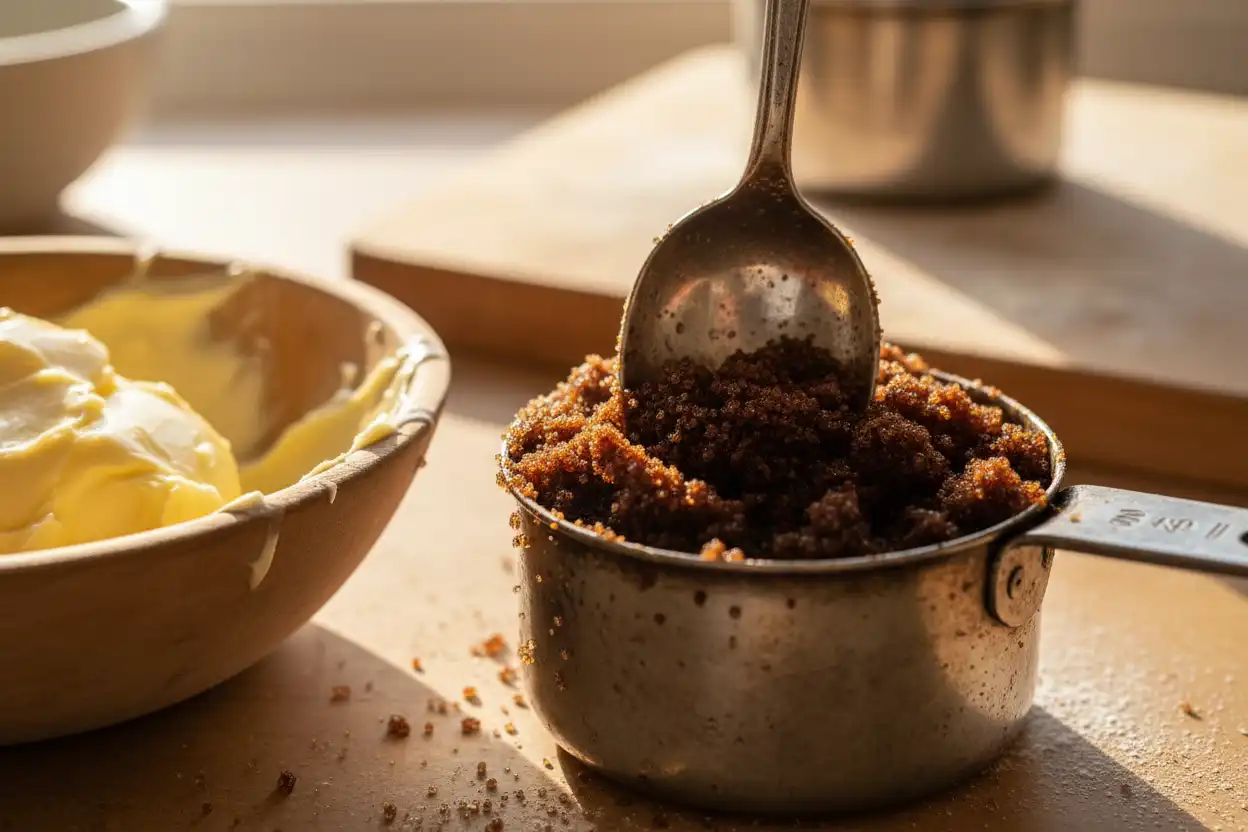
In a large bowl, beat the softened butter, brown sugar, and granulated sugar together until the mixture looks light, creamy, and slightly fluffy. This usually takes about 2 to 3 minutes with a hand mixer.
This step is important. Creaming adds air to the dough, which helps create a soft center and tender crumb.
4. Add the egg, egg yolk, and vanilla
Beat in the egg, then add the egg yolk and vanilla extract. Mix until smooth and combined.
Scrape down the sides of the bowl with a rubber spatula so no butter or sugar gets trapped around the edges.
5. Add the dry ingredients
Add the dry mixture to the wet mixture in two additions. Mix on low speed just until the flour disappears.
Avoid overmixing at this stage. Too much mixing can make homemade cookies tough instead of soft and tender.
6. Fold in the butterscotch chips
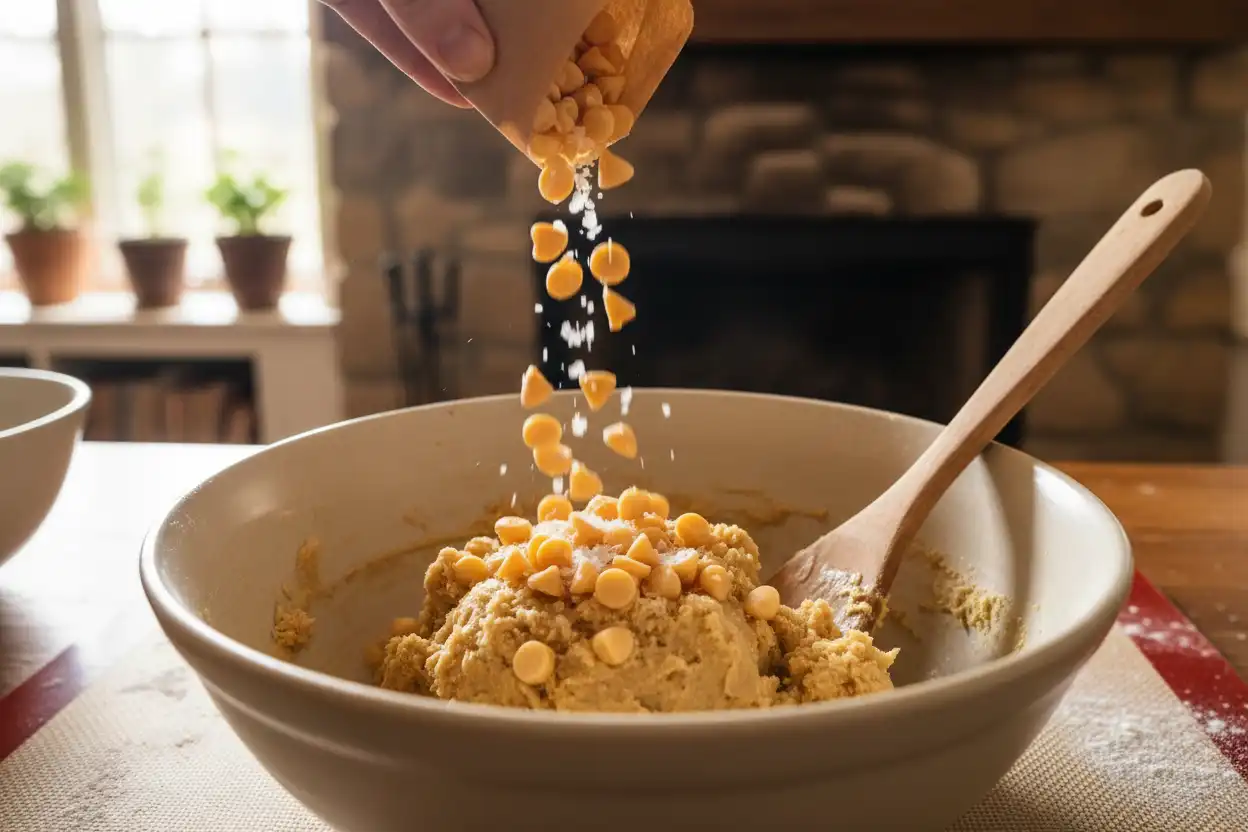
Use a rubber spatula to fold in the butterscotch chips. If you are adding chopped nuts, fold them in now as well.
For an extra bakery-style look, save a small handful of butterscotch chips and press a few onto the tops of the dough balls before baking.
7. Chill the dough
Cover the bowl and chill the dough for at least 30 minutes. If you have more time, chill it for 1 to 2 hours.
Chilling helps the flour hydrate, deepens the flavor, and reduces spreading. This is one of the easiest ways to make soft cookies that stay thick in the middle.
8. Scoop the dough
Scoop the dough into balls, using about 1 1/2 tablespoons of dough for each cookie. Place them about 2 inches apart on the prepared baking sheets.
If the dough is very firm after chilling, let it sit at room temperature for 5 to 10 minutes before scooping.
9. Bake until the edges are set
Bake for 9 to 11 minutes, or until the edges look lightly golden and the centers still look slightly soft.
Do not wait for the entire cookie to look fully baked in the oven. The cookies will continue to set on the hot baking sheet after you remove them.
10. Cool properly
Let the cookies cool on the baking sheet for 5 minutes. Then transfer them to a wire rack to cool completely.
If desired, sprinkle a tiny pinch of flaky sea salt on top while the cookies are still warm. This adds a pleasant contrast to the sweet butterscotch flavor.
How to Know When the Cookies Are Done
Butterscotch cookies can go from soft to overbaked quickly, so visual cues matter.
Look for:
- Lightly golden edges
- Puffy centers that still look soft
- Tops that appear set but not dry
- Bottoms that are golden, not dark brown
If you prefer extra soft cookies, remove them closer to 9 minutes. If you like a chewier edge, bake closer to 11 minutes. Oven temperatures can vary, so check the first batch early and adjust as needed.
Troubleshooting Common Cookie Problems
Even easy cookies can behave differently depending on your kitchen, oven, and ingredients. Here’s how to fix the most common issues.
The cookies spread too much
This usually means the butter was too soft, the dough was not chilled long enough, or the baking sheet was too warm. Chill the remaining dough for another 20 to 30 minutes before baking the next batch.
The cookies are too dry
Dry cookies are often caused by too much flour or overbaking. For best results, spoon flour into the measuring cup and level it off instead of scooping directly from the bag, which can pack in too much flour.
The cookies are too sweet
Butterscotch chips are naturally sweet. To balance the flavor, use the full amount of salt in the dough and consider adding flaky sea salt on top. Chopped toasted nuts can also help cut the sweetness.
The cookies did not brown
They may need an extra minute in the oven, or your oven may run cool. Make sure the oven is fully preheated before baking.
The dough is sticky
Sticky dough is normal before chilling. If it remains too sticky to scoop, chill it longer or lightly dampen your hands before rolling the dough.
Flavor Variations to Try
Once you master the base recipe, you can turn these butterscotch cookies into several different cookie recipes with a few simple changes.
Salted butterscotch cookies
Sprinkle flaky sea salt over the cookies right after baking. This makes the butterscotch flavor taste richer and more balanced.
Oatmeal butterscotch cookies
Replace 1/2 cup of the flour with old-fashioned oats. The result is heartier, chewier, and perfect for cozy sweet snacks.
Chocolate butterscotch cookies
Add 1/2 cup semi-sweet chocolate chips along with the butterscotch chips. The chocolate balances the sweetness and gives the cookies a classic bakery-style feel.
Nutty butterscotch cookies
Fold in chopped pecans, walnuts, or almonds. Toasting the nuts first adds a deeper flavor and a crisp texture.
Brown butter butterscotch cookies
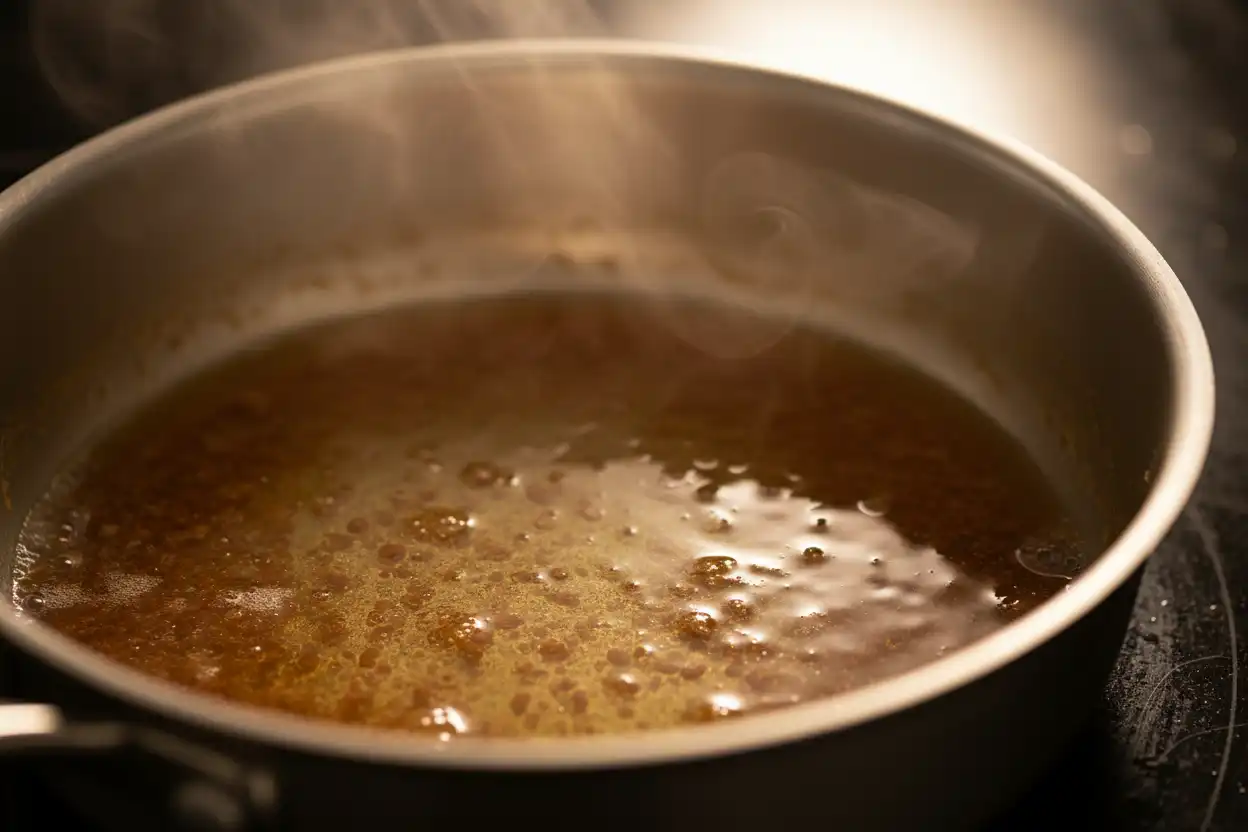
For a more intense flavor, brown the butter first, then cool it until it becomes soft but not liquid. Brown butter adds nutty, caramel-like notes that pair beautifully with butterscotch chips.
Make-Ahead Instructions
These homemade cookies are great for planning ahead. You can prepare the dough in advance and bake only what you need.
To refrigerate the dough
Cover the dough tightly and refrigerate it for up to 2 days. When ready to bake, let it sit at room temperature for a few minutes if it is too firm to scoop.
To freeze cookie dough
Scoop the dough into balls and place them on a parchment-lined baking sheet. Freeze until firm, then transfer the dough balls to a freezer-safe bag or container.
Bake from frozen by adding 1 to 2 extra minutes to the baking time. This is a great way to keep easy cookies ready for last-minute guests, lunchbox treats, or late-night sweet snacks.
How to Store Butterscotch Cookies
Store cooled cookies in an airtight container at room temperature. They are best within a few days, especially if you want the softest texture.
To help keep them soft, place a small piece of sandwich bread in the container with the cookies. The cookies absorb a little moisture from the bread, helping them stay tender longer.
For longer storage, freeze the baked cookies in a sealed freezer-safe container. Separate layers with parchment paper so they do not stick together. Thaw at room temperature before serving.
Serving Ideas
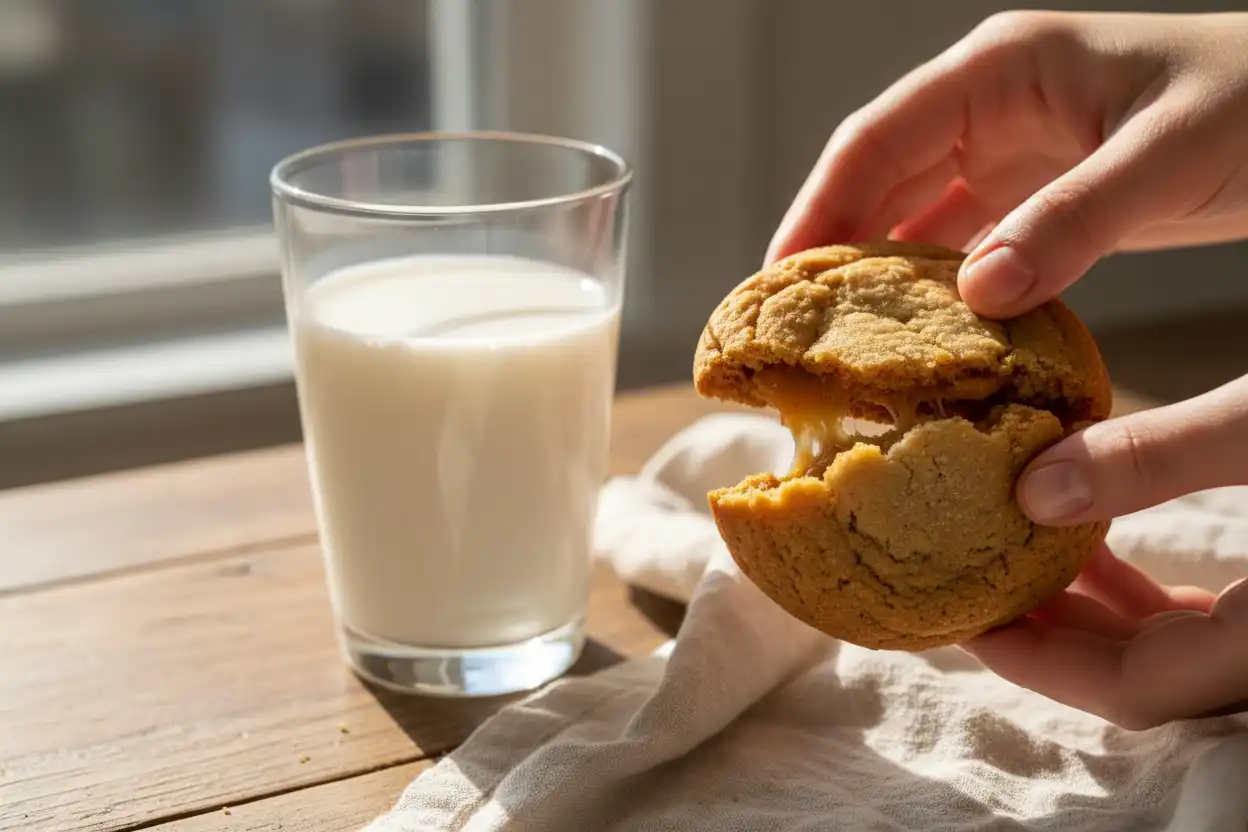
Butterscotch cookies are delicious on their own, but they also pair well with simple drinks and desserts.
Try serving them with:
- A glass of cold milk
- Hot coffee or espresso
- Black tea or chai
- Vanilla ice cream
- Caramel drizzle
- A holiday cookie platter
- Lunchbox snacks
- Party dessert trays
For a warm dessert, place a cookie in a bowl and top it with a scoop of vanilla ice cream. The buttery butterscotch flavor works beautifully with creamy, simple toppings.
Tips for the Best Soft Cookies
If your goal is soft cookies every time, keep these tips in mind:
- Measure flour carefully so the dough is not too dry.
- Use more brown sugar than white sugar for moisture and chew.
- Add an extra egg yolk for richness.
- Chill the dough before baking.
- Remove the cookies while the centers still look slightly soft.
- Let them finish setting on the baking sheet.
- Store them in an airtight container once fully cooled.
Small details make a big difference. The right bake time and chilling step are especially important for thick, tender cookies.
Frequently Asked Questions
Can I make these cookies without chilling the dough?
You can, but the cookies may spread more and taste slightly less developed. For the best texture, chill the dough for at least 30 minutes.
Can I use salted butter?
Yes. If using salted butter, reduce the added salt to 1/4 teaspoon. Taste preferences vary, especially with sweet snacks, so you can also add a light sprinkle of sea salt on top after baking.
Can I make smaller cookies?
Yes. Use a smaller scoop and begin checking for doneness around 7 to 8 minutes. Smaller cookies bake faster, so watch the edges closely.
Can I double the recipe?
Yes. This recipe doubles well. Mix in a large bowl and chill the dough in portions so it cools evenly.
Why are my cookies cakey instead of chewy?
Cakey cookies can happen when there is too much flour, too much leavening, or too much mixing after the dry ingredients are added. Measure carefully and mix only until combined.
Final Baking Notes
A great batch of butterscotch cookies should feel simple, satisfying, and worth repeating. The dough comes together quickly, the ingredients are familiar, and the finished cookies deliver a rich butterscotch flavor with soft centers and chewy edges.
Keep this recipe in your collection of favorite cookie recipes for holidays, bake sales, family gatherings, or any time you want homemade cookies that feel a little extra special without being difficult. With a short chill, careful baking, and a generous handful of butterscotch chips, you’ll have easy cookies that are sweet, cozy, and ready to share.