
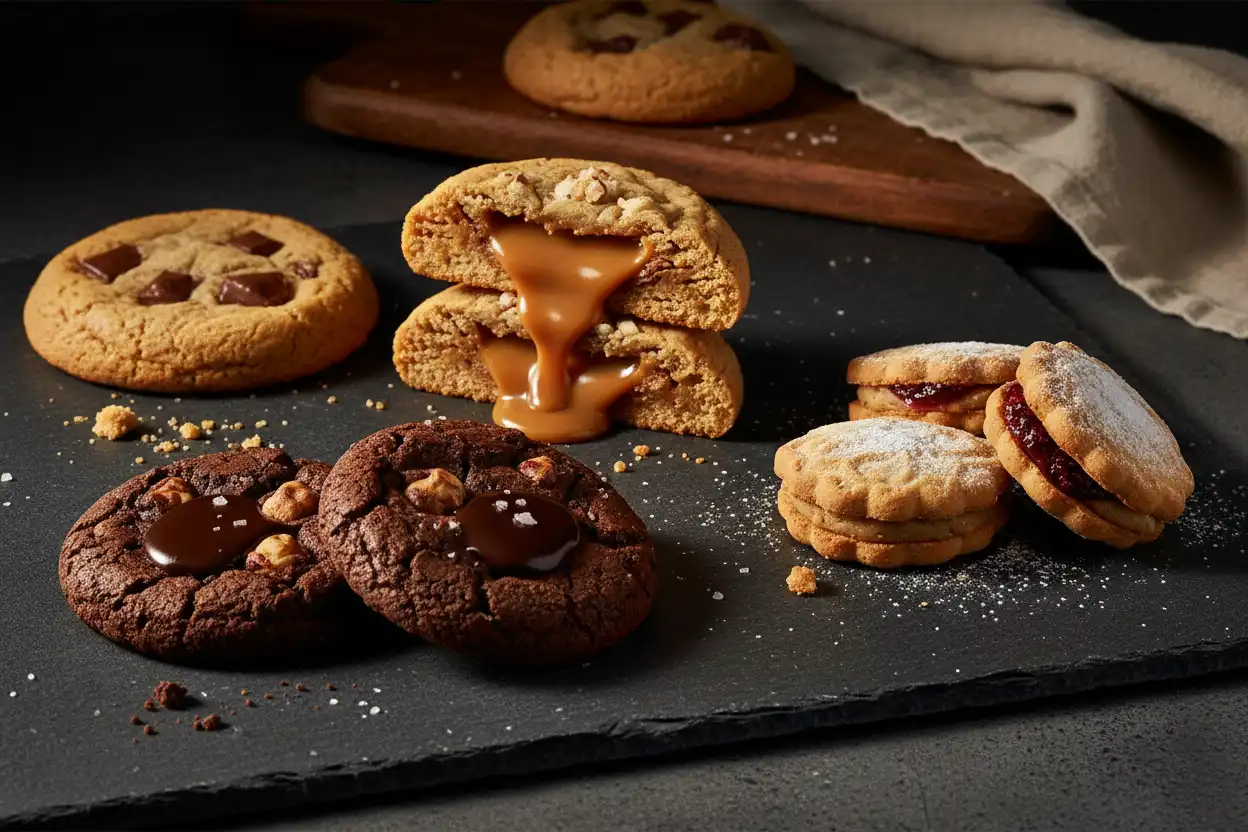
A truly memorable cookie is more than something sweet at the end of a meal. It has contrast, aroma, texture, balance, and a sense of intention. The best gourmet cookies taste familiar enough to comfort you, but special enough to feel like a bakery-worthy treat. Whether you want to create unique cookies for a celebration, refine your favorite cookie recipes, or build a signature box of premium cookies, the secret is rarely one single trick. It is the combination of quality ingredients, careful technique, and thoughtful flavor design.
This guide walks through the essential baking tips that turn everyday batches into indulgent cookies with crisp edges, tender centers, polished finishes, and flavors that linger.
Start With a Clear Cookie Style
Before you measure flour or soften butter, decide what kind of cookie you want to create. “Gourmet cookies” can mean many things, and each style benefits from a slightly different approach.
For example:
- A thick chocolate chip cookie needs structure, chilling time, and enough brown sugar to keep the center soft.
- A delicate shortbread depends on high-quality butter, gentle mixing, and precise baking.
- A filled sandwich cookie needs a sturdy but tender base that will not become soggy.
- A glazed citrus cookie should be bright, aromatic, and not overly sweet.
- A bakery-style stuffed cookie needs a dough that can hold its shape around fillings.
When you define the style first, every decision becomes easier. You can choose the right fat, sugar, flour, inclusions, and baking temperature based on the final texture and experience you want.
Choose Ingredients That Earn Their Place
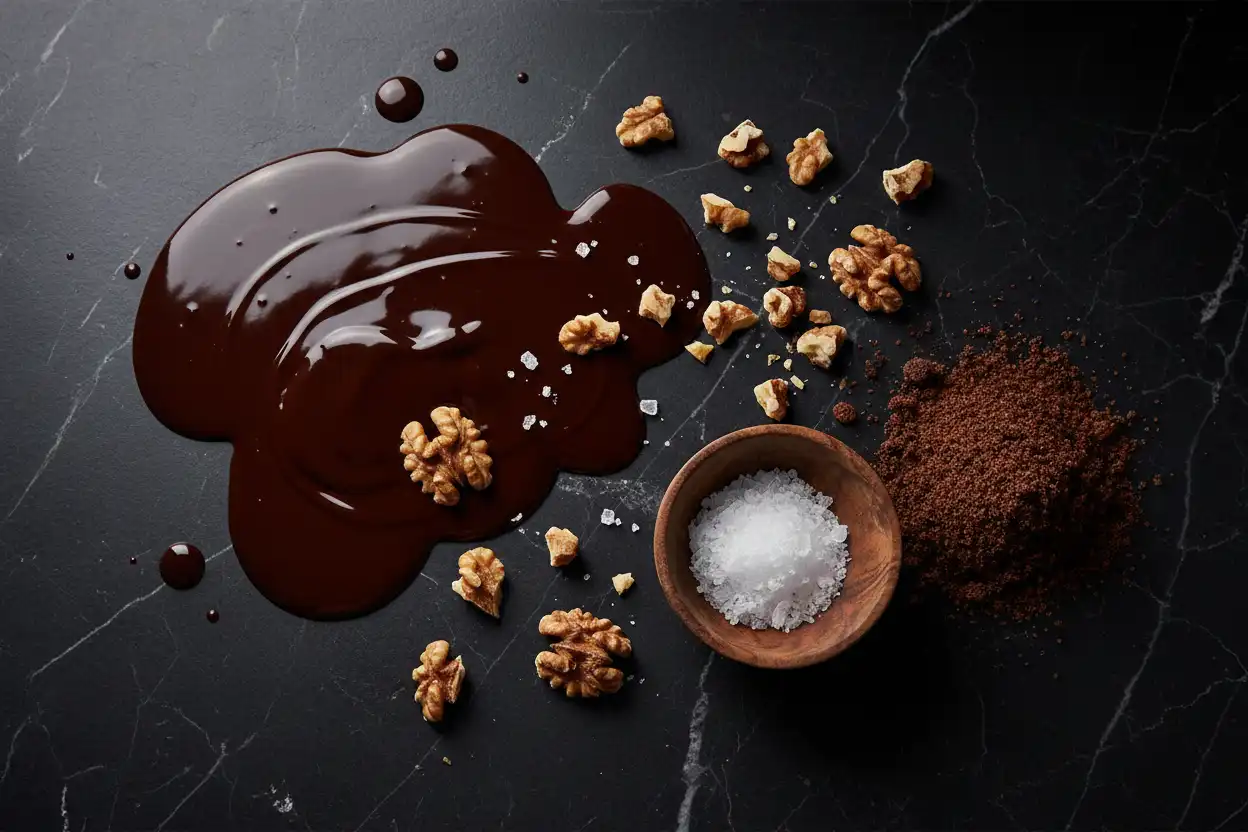
Specialty cookies begin with ingredients that contribute more than sweetness. Premium ingredients do not always need to be expensive, but they should be purposeful.
Butter
Butter is one of the most important ingredients in artisanal cookies. It adds flavor, tenderness, and richness. European-style butter, cultured butter, or any high-fat butter can create a deeper, creamier taste. If you are making browned butter cookies, use unsalted butter so you can control the salt level later.
Browned butter is especially useful for gourmet desserts because it introduces nutty, toasted notes. Just remember that browning evaporates some water from the butter. If a recipe was not developed for browned butter, you may need to add a small splash of milk or cream to restore moisture.
Flour
All-purpose flour works for most cookie recipes, but small changes can make a big difference. Bread flour adds chew and structure, while cake flour creates a more tender crumb. Many bakery-style gourmet cookies use a blend of flours to get both softness and height.
Measure flour carefully. Too much flour is one of the most common reasons cookies turn dry, cakey, or dense. For best results, spoon flour into the measuring cup and level it off, or use a kitchen scale when possible.
Sugar
Sugar affects more than sweetness. White sugar promotes spread and crispness. Brown sugar adds moisture, chew, and caramel depth. Powdered sugar creates a delicate, melt-in-your-mouth texture in shortbread and tea cookies.
For indulgent cookies, consider combining sugars. A mix of brown and white sugar can produce crisp edges, soft centers, and layered flavor.
Chocolate, Nuts, and Inclusions
If chocolate is the star, choose chocolate you would enjoy eating on its own. Chopped chocolate creates varied pockets and thin ribbons throughout the dough, while chips hold their shape. Both can work beautifully, depending on the look and texture you want.
For nuts, toast them before adding them to dough. Toasting intensifies flavor and helps prevent bland, soft pieces from disappearing into the cookie. The same principle applies to coconut, oats, and some seeds.
Balance Flavor Like a Pastry Chef
The most memorable unique cookies are balanced. They are sweet, but not flat. Rich, but not heavy. Complex, but not confusing.
Use these flavor-building principles:
- Add salt intentionally. Salt sharpens flavor and keeps sweetness in check. A small pinch in the dough and a few flakes on top can make premium cookies taste more refined.
- Layer similar flavors. Vanilla dough with brown butter, toasted pecans, and caramelized white chocolate feels cohesive because the notes are warm and nutty.
- Include contrast. Dark chocolate with tart cherry, pistachio with lemon, espresso with vanilla cream, or cinnamon with orange zest can make a cookie feel more sophisticated.
- Use extracts sparingly. Almond, peppermint, maple, and floral extracts can overwhelm dough quickly. Start small.
- Do not forget acidity. Citrus zest, freeze-dried fruit powder, cream cheese, or a tangy jam filling can brighten rich doughs.
A cookie should not taste like a list of ingredients. It should taste like an idea brought into focus.
Master the Creaming Method
Many classic cookie recipes begin by creaming butter and sugar. This step incorporates air, dissolves sugar slightly, and helps shape the final texture.
For lighter cookies, cream softened butter and sugar until the mixture looks pale and fluffy. For denser, chewier cookies, cream just until combined and slightly aerated. Over-creaming can cause cookies to spread too much or bake up cakier than intended.
Butter temperature matters. Softened butter should be pliable but not greasy. If it is shiny, oily, or collapsing, it is too warm. Cookies made with overly soft butter often spread before they set.
Know When to Use Melted or Browned Butter
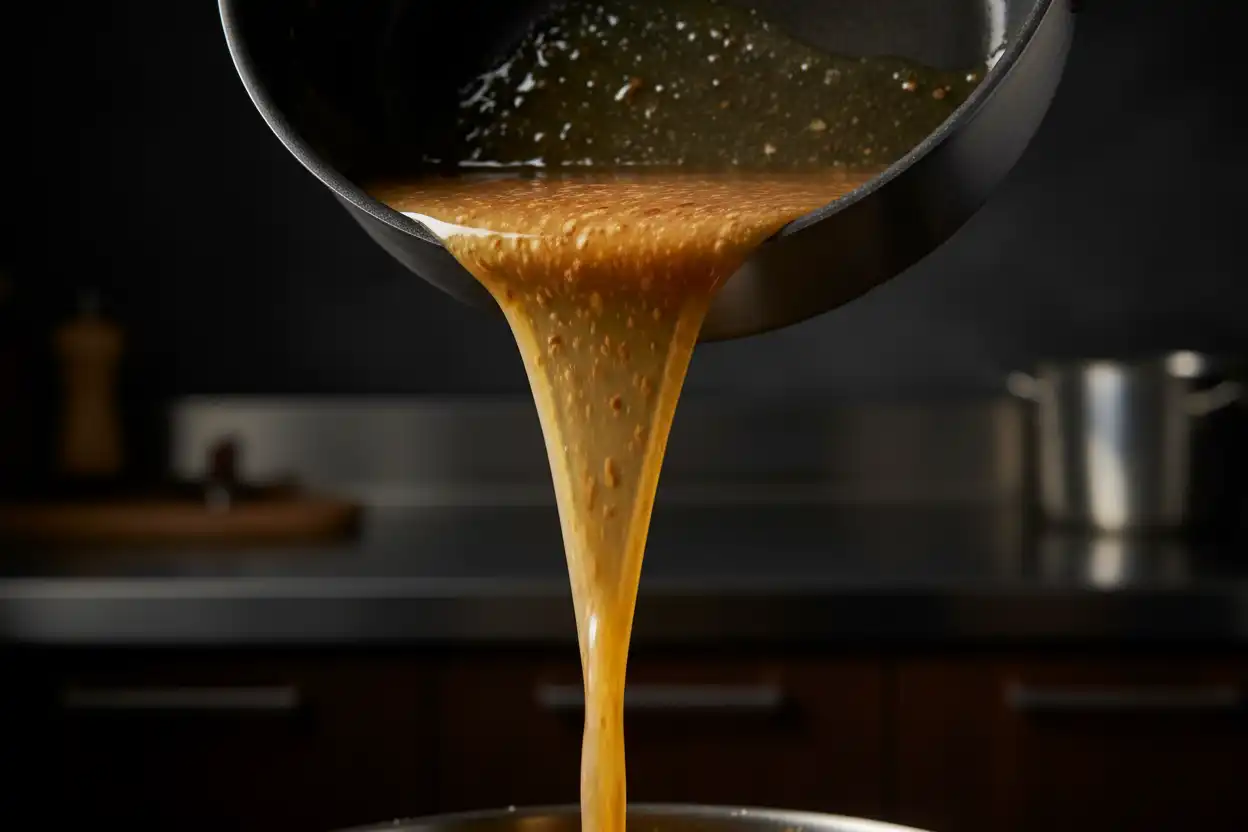
Not every cookie should begin with softened butter. Melted butter is excellent for dense, chewy cookies because it coats flour differently and creates a fudgier texture. Browned butter adds a gourmet edge, especially in chocolate chip, oatmeal, blondie-style, and nut-based cookies.
When using melted or browned butter, let it cool before adding eggs. Hot butter can scramble eggs or make dough greasy. The dough may also need a longer rest to firm up before baking.
Do Not Overmix After Adding Flour
Once flour enters the bowl, mix only until the dough comes together. Overmixing develops gluten, which can make cookies tough, bready, or overly chewy in the wrong way.
For doughs with chocolate chunks, nuts, dried fruit, or candy pieces, stop mixing while a few streaks of flour remain. Then fold in the inclusions by hand. This helps prevent overworking the dough and keeps delicate add-ins from breaking apart.
Rest the Dough for Better Flavor and Texture
Chilling cookie dough is one of the simplest ways to improve flavor. During the resting period, flour hydrates, butter firms up, and sugars dissolve more fully. The result is often deeper flavor, better browning, and a more controlled spread.
For many gourmet cookies, a rest of at least a few hours can make a noticeable difference. Overnight chilling can create even richer flavor, especially in brown sugar or chocolate-based doughs.
If the dough becomes too firm after chilling, let it sit at room temperature briefly before scooping. For very thick cookies, you can scoop the dough before chilling so it is easier to portion later.
Shape Cookies for a Professional Finish
The way you portion and shape dough affects how cookies bake. Equal portions help every cookie finish at the same time, which is important if you want a polished, bakery-style result.
Use a cookie scoop for consistency. For extra-thick cookies, roll tall dough balls rather than flat ones. This encourages height and helps create a soft center. For crinkled or rustic cookies, leave the surface slightly uneven so the tops bake with texture.
For picture-perfect chocolate chip cookies, reserve a few chocolate pieces and press them onto the tops of the dough balls before baking. This creates a generous, intentional look.
Bake With Precision
Even the best dough can fall short if the baking step is rushed or inconsistent.
Preheat Thoroughly
Give the oven enough time to fully preheat. Many ovens beep before they are truly stable. If you bake premium cookies often, an oven thermometer is a smart tool. A small temperature difference can change spread, browning, and texture.
Use the Right Baking Sheet
Light-colored metal baking sheets are usually the most reliable. Dark sheets absorb more heat and can brown bottoms too quickly. Insulated sheets may reduce browning, which can be useful for delicate cookies but less ideal for cookies that need crisp edges.
Line pans with parchment paper for easy release and even browning. Silicone mats can work well, but they may reduce spread and browning in some recipes.
Leave Enough Space
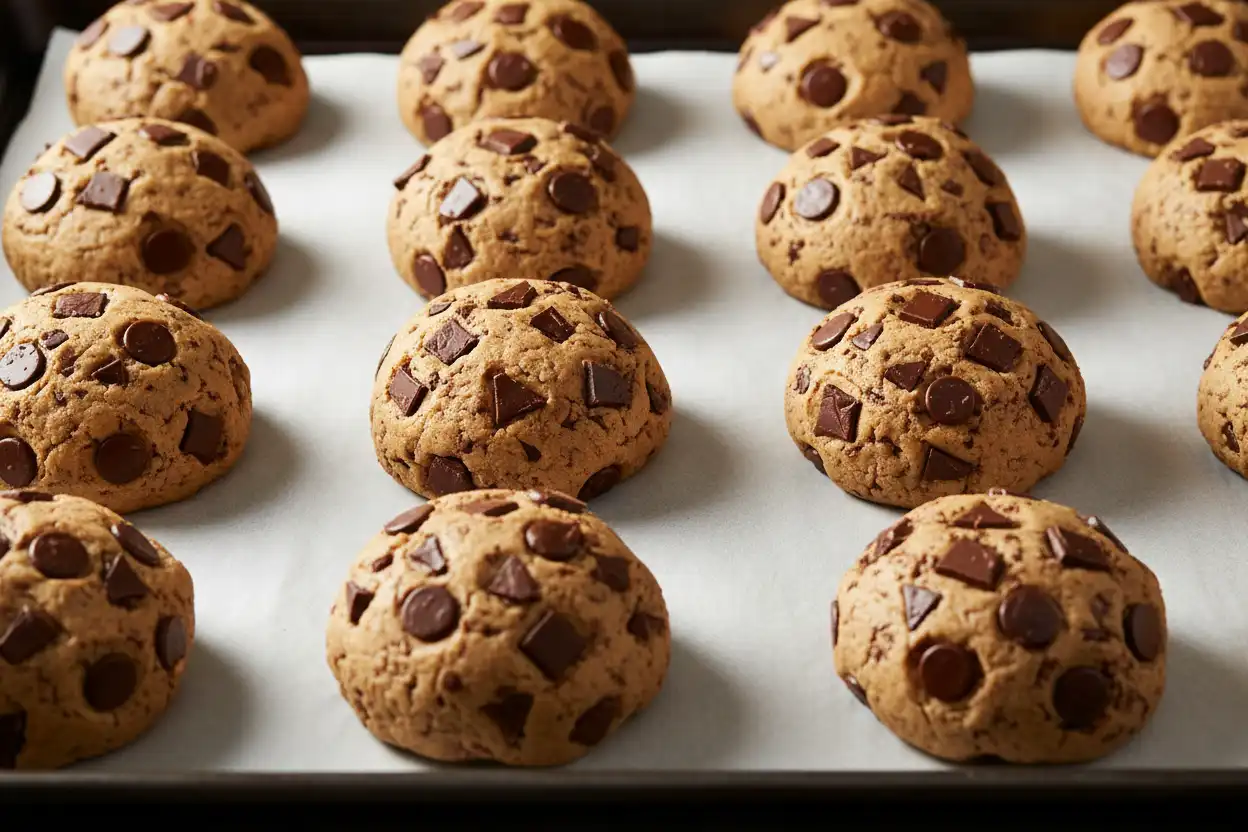
Crowding the pan traps steam and can cause uneven baking. Give cookies room to spread. If you are testing a new dough, bake one or two cookies first so you can see how they behave before committing to a full tray.
Learn the Visual Cues of Doneness
Perfect cookies often look slightly underbaked when they come out of the oven. They continue to set on the hot baking sheet.
Look for these signs:
- Edges are set and lightly golden.
- Centers look puffed, soft, or slightly glossy, depending on the recipe.
- The cookie holds its shape when the pan is gently moved.
- The aroma is warm and developed, not raw or floury.
For soft-centered indulgent cookies, remove them before the centers look fully firm. For crisp cookies, bake a little longer at a moderate temperature so moisture can evaporate without burning the edges.
Use Finishing Touches Thoughtfully
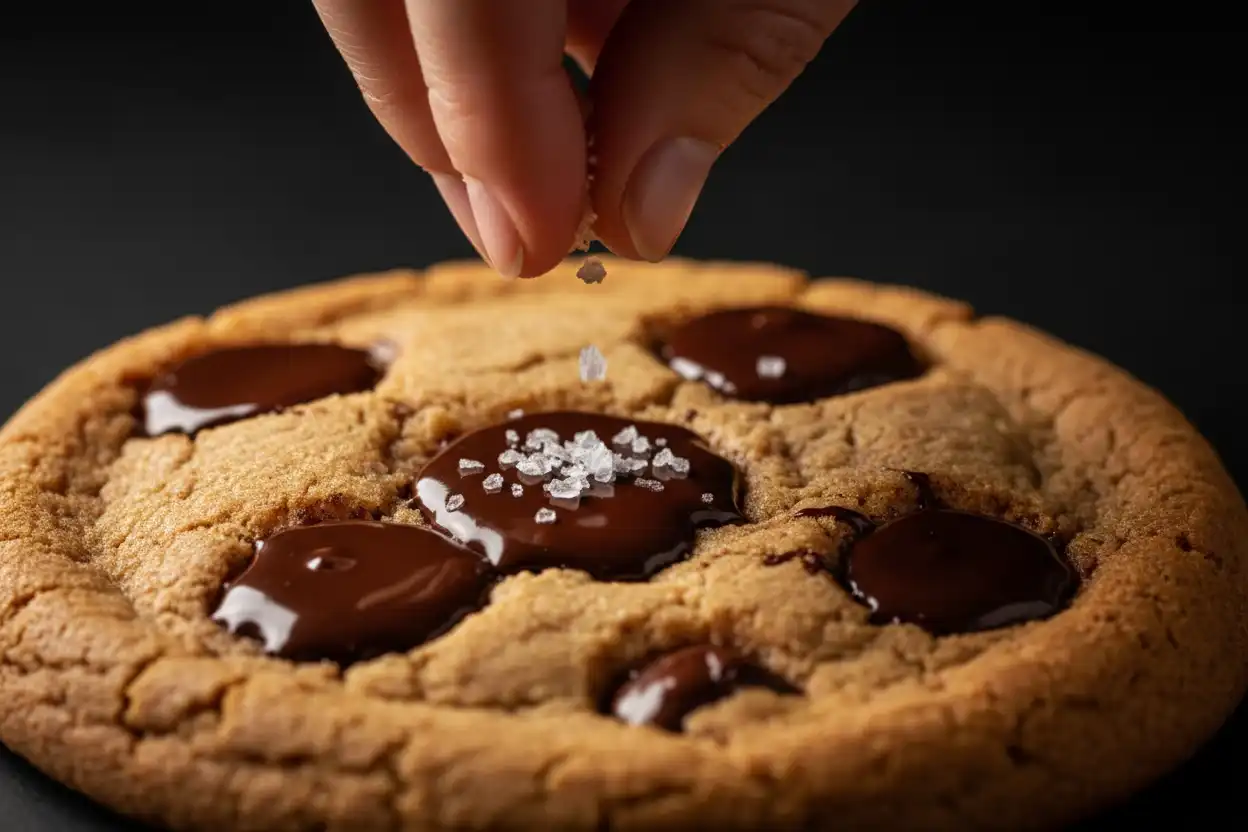
Finishing details are what often separate everyday cookies from gourmet desserts. A small garnish can add flavor, texture, color, and visual appeal.
Consider finishing with:
- Flaky sea salt
- A drizzle of dark, milk, or white chocolate
- Citrus glaze
- Crushed toasted nuts
- Freeze-dried fruit powder
- Edible flowers for delicate specialty cookies
- Espresso sugar
- Caramel shards
- A dusting of cocoa or powdered sugar
The best finishes support the flavor of the cookie rather than hiding it. If the cookie is already rich, use a bright or salty accent. If the cookie is simple, a glaze or decorative topping can add elegance.
Build Signature Flavor Combinations
Once you understand the fundamentals, you can start creating unique cookies with confidence. Think in terms of themes rather than random add-ins.
Here are a few ideas to inspire your next batch:
- Dark chocolate cherry almond: chewy chocolate dough, dried tart cherries, toasted almonds, and a touch of almond extract.
- Brown butter pecan toffee: browned butter dough, brown sugar, toasted pecans, and crunchy toffee bits.
- Lemon pistachio shortbread: buttery shortbread with lemon zest, chopped pistachios, and a thin lemon glaze.
- Espresso hazelnut chocolate: coffee-infused dough with chopped chocolate and roasted hazelnuts.
- Coconut lime white chocolate: soft vanilla dough with lime zest, toasted coconut, and creamy white chocolate.
- Salted caramel pretzel: brown sugar dough with caramel pieces, crushed pretzels, and flaky salt.
For the most successful cookie recipes, limit yourself to two or three dominant flavors. Too many competing elements can make even artisanal cookies taste muddled.
Troubleshoot Common Cookie Problems
If your cookies are not turning out the way you hoped, small adjustments can often fix the issue.
Cookies Spread Too Much
Possible causes include butter that was too warm, dough that was not chilled, too little flour, too much sugar, or a hot baking sheet. Chill the dough, use parchment, and let pans cool between batches.
Cookies Are Dry or Crumbly
This often comes from too much flour, overbaking, or not enough fat or moisture. Measure carefully and pull cookies from the oven while the centers are still tender.
Cookies Are Too Puffy or Cakey
Too much flour, too much egg, excessive mixing, or too much leavening can create a cakey texture. Reduce mixing after flour is added and check that your baking powder or baking soda measurements are accurate.
Cookies Lack Flavor
Increase salt slightly, use better vanilla, brown the butter, toast the nuts, or chill the dough longer. Flat flavor usually means the ingredients need more development or contrast.
Cookies Brown Unevenly
Rotate the pan partway through baking, avoid overcrowding, and use consistent dough portions. If one side of your oven runs hot, an oven thermometer can help you adjust.
Store Cookies to Preserve Quality
Storage matters, especially for premium cookies meant for gifting or entertaining. Let cookies cool completely before packing them. Warm cookies release steam, which can make crisp cookies soggy and soft cookies sticky.
Store soft cookies in an airtight container. For crisp cookies, use a container that protects them from humidity but does not trap too much moisture. Keep strongly flavored cookies, such as peppermint or spice cookies, separate from delicate flavors like vanilla shortbread.
Many doughs freeze beautifully. Scoop dough into portions, freeze until firm, then store in a sealed freezer-safe container. Bake from frozen when needed, adding a little extra baking time if necessary. This makes it easy to offer fresh gourmet cookies without starting from scratch every time.
Presentation Makes the Experience Feel Special
Gourmet baking is not only about flavor. Presentation sets expectations before the first bite.
For a refined cookie platter, vary shapes, colors, and textures. Pair glossy glazed cookies with rustic chocolate chunk cookies. Add shortbread, sandwich cookies, and fruit-forward options for contrast. If gifting, use parchment layers, simple boxes, ribbon, or labels that identify the flavors.
A beautiful presentation also helps specialty cookies feel intentional. Even a classic chocolate chip cookie can feel elevated when it is evenly shaped, finished with visible chocolate, and sprinkled with a few flakes of sea salt.
Practice, Adjust, and Keep Notes
Great cookie baking improves with repetition. Keep notes on what you changed, how long the dough rested, how large each portion was, and how long the cookies baked. This is especially useful when developing original cookie recipes or scaling batches for events.
Pay attention to the details that matter most:
- Dough temperature
- Butter texture
- Flour measurement
- Baking sheet color
- Oven temperature
- Cookie size
- Cooling time
- Flavor balance
Over time, these notes become your personal guide to consistent, bakery-quality results.
The Real Secret to Better Cookies
Perfect gourmet cookies come from intention. Choose ingredients for flavor, use technique to control texture, and finish each cookie with care. Whether you are baking indulgent cookies for a holiday, developing artisanal cookies for a dessert menu, or simply making a weekend batch feel more special, the goal is the same: create a cookie that looks beautiful, tastes balanced, and feels worth savoring.
With a few thoughtful upgrades and reliable baking habits, even familiar cookie recipes can become unforgettable gourmet desserts.