
A truly great batch of lemon ricotta cookies should be tender, bright, lightly sweet, and soft from the center all the way to the edge. Ricotta gives the dough a delicate, cake-like texture, while fresh lemon zest and juice bring the sunny flavor that makes these cookies so memorable. If you love classic Italian cookies, this guide will walk you through every step, from choosing the right ricotta to mixing, chilling, baking, glazing, and storing them.
These are the kind of soft lemon cookies that feel simple enough for a weekend baking project but special enough for holidays, showers, cookie trays, or gifting. The process is easy, but a few small details make the difference between good cookies and bakery-worthy lemon ricotta cookies.
Why Ricotta Makes Lemon Cookies So Tender
Ricotta is the secret to the signature texture of this cookie. Instead of producing a crisp or chewy result, ricotta adds moisture and softness, giving the cookies a pillowy bite. The flavor is mild, so it does not overpower the lemon. Instead, it creates a creamy base that lets the citrus shine.
When making ricotta cookies with lemon, the goal is balance. Too much flour can make them dense. Too much lemon juice can make the dough loose. Too little chilling time can cause spreading. Once you understand how the ingredients work together, the recipe becomes very forgiving.
These cookies are especially loved because they are:
- Soft and cake-like, not dry or crumbly
- Bright with real lemon flavor from zest and juice
- Simple to decorate with a smooth lemon glaze
- Ideal for make-ahead baking because the flavor improves as they rest
- Perfect for cookie platters alongside other Italian cookies
Ingredients You’ll Need
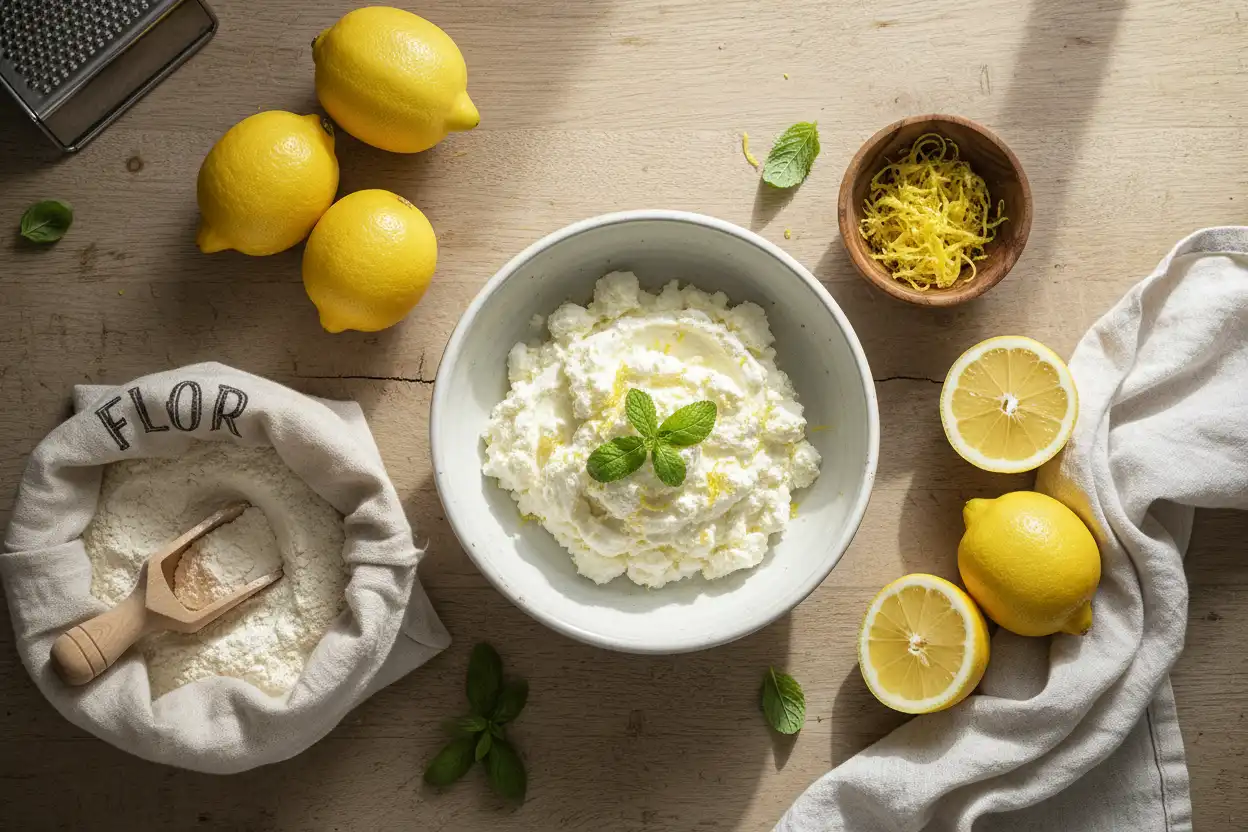
For the best lemon ricotta cookies, use simple ingredients and focus on freshness, especially when it comes to the lemons.
For the Cookies
- 2 1/4 cups all-purpose flour
- 1 teaspoon baking powder
- 1/2 teaspoon baking soda
- 1/2 teaspoon fine salt
- 1/2 cup unsalted butter, softened
- 1 cup granulated sugar
- 1 cup whole milk ricotta cheese
- 1 large egg
- 1 tablespoon fresh lemon zest
- 2 tablespoons fresh lemon juice
- 1 teaspoon vanilla extract
- 1/2 teaspoon almond extract, optional
For the Lemon Glaze
- 1 1/2 cups powdered sugar
- 2 to 3 tablespoons fresh lemon juice
- 1 teaspoon lemon zest, optional
- Pinch of salt
Ingredient Notes
Ricotta: Whole milk ricotta creates the richest, softest texture. Part-skim ricotta can work, but the cookies may be slightly less tender. If the ricotta looks very wet, blot it with paper towels or let it drain briefly in a fine-mesh strainer.
Lemon zest: Zest carries the strongest lemon aroma. Use a microplane or fine grater, and avoid the bitter white pith beneath the yellow peel.
Lemon juice: Fresh juice is best. Bottled lemon juice can taste flat or overly sharp in lemon cookies.
Butter: Use softened butter, not melted butter. Softened butter creams with sugar and helps create a light, delicate dough.
Extracts: Vanilla rounds out the flavor. Almond extract is optional, but a small amount can give the cookies a classic Italian bakery note.
Step 1: Prepare Your Baking Sheets
Line two baking sheets with parchment paper. This helps prevent sticking and keeps the bottoms of the cookies from browning too quickly.
Preheat the oven to 350°F when you are close to baking. If your kitchen is warm or your dough still needs to chill, wait to preheat until the dough is nearly ready.
A prepared baking sheet gives each cookie enough space to puff without running into the next. Leave about 2 inches between dough scoops.
Step 2: Whisk the Dry Ingredients
In a medium bowl, whisk together the flour, baking powder, baking soda, and salt.
This step may seem basic, but it matters. Whisking evenly distributes the leavening agents so the cookies rise consistently. If baking powder or baking soda is clumped in one area, some cookies may puff too much while others remain dense.
Set the dry mixture aside while you prepare the wet ingredients.
Step 3: Cream the Butter and Sugar
In a large mixing bowl, beat the softened butter and granulated sugar until the mixture looks light and fluffy. This usually takes 2 to 3 minutes with an electric mixer.
Do not rush this step. Creaming incorporates air, which helps the cookies bake up tender rather than heavy. Scrape down the sides of the bowl once or twice so everything mixes evenly.
The mixture should look pale, creamy, and slightly increased in volume.
Step 4: Add the Ricotta, Egg, Lemon, and Vanilla
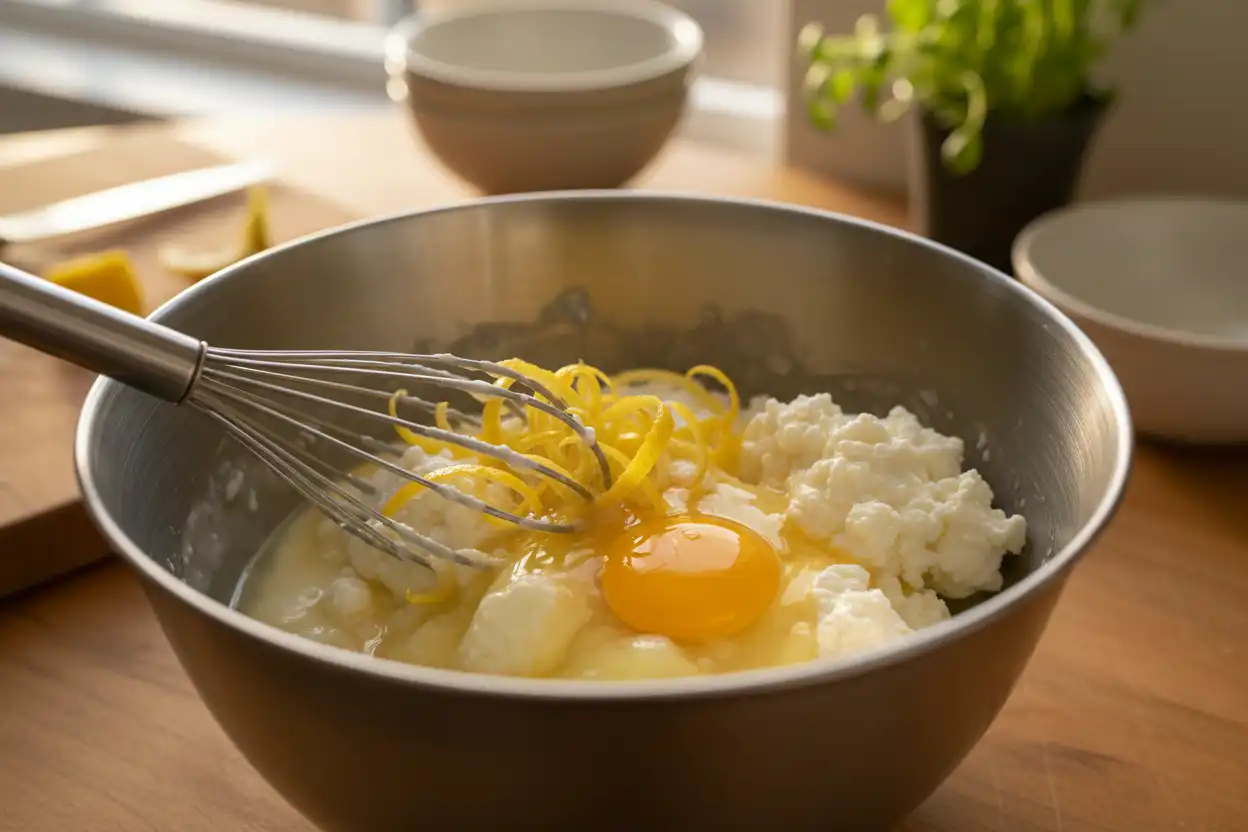
Add the ricotta cheese, egg, lemon zest, lemon juice, vanilla extract, and almond extract if using. Beat on medium speed until combined.
At this stage, the mixture may look slightly loose or textured because of the ricotta. That is normal. Avoid overmixing. You only need the ingredients to come together smoothly.
For stronger lemon flavor, rub the lemon zest into the sugar with your fingers before creaming it with the butter. This releases the citrus oils and makes the finished cookies more aromatic.
Step 5: Mix in the Dry Ingredients
Add the dry ingredients to the wet ingredients in two additions. Mix on low speed just until no dry streaks remain.
The dough should be soft, thick, and slightly sticky. It will not feel like firm sugar cookie dough, and that is exactly what you want for soft lemon cookies. If the dough feels too loose to scoop, chilling will help it firm up.
Be careful not to overmix once the flour is added. Too much mixing can develop gluten, which may make the cookies tougher instead of tender.
Step 6: Chill the Dough
Cover the bowl and chill the dough for at least 30 minutes. If you have time, chill it for 1 to 2 hours.
Chilling helps in three important ways:
- It makes the sticky dough easier to scoop.
- It helps control spreading in the oven.
- It gives the flour time to hydrate, improving texture.
If you want to make the dough ahead, you can refrigerate it overnight. Let it sit at room temperature for a few minutes before scooping if it becomes too firm.
Step 7: Scoop the Cookies
Use a small cookie scoop or tablespoon to portion the dough onto the prepared baking sheets. Aim for evenly sized scoops so the cookies bake at the same rate.
You can leave the dough in rounded mounds. Lemon ricotta cookies do not need to be flattened. They will puff and settle into soft domes as they bake.
If the dough sticks to your scoop, lightly mist the scoop with nonstick spray or dip it in water and shake off the excess before continuing.
Step 8: Bake Until Just Set
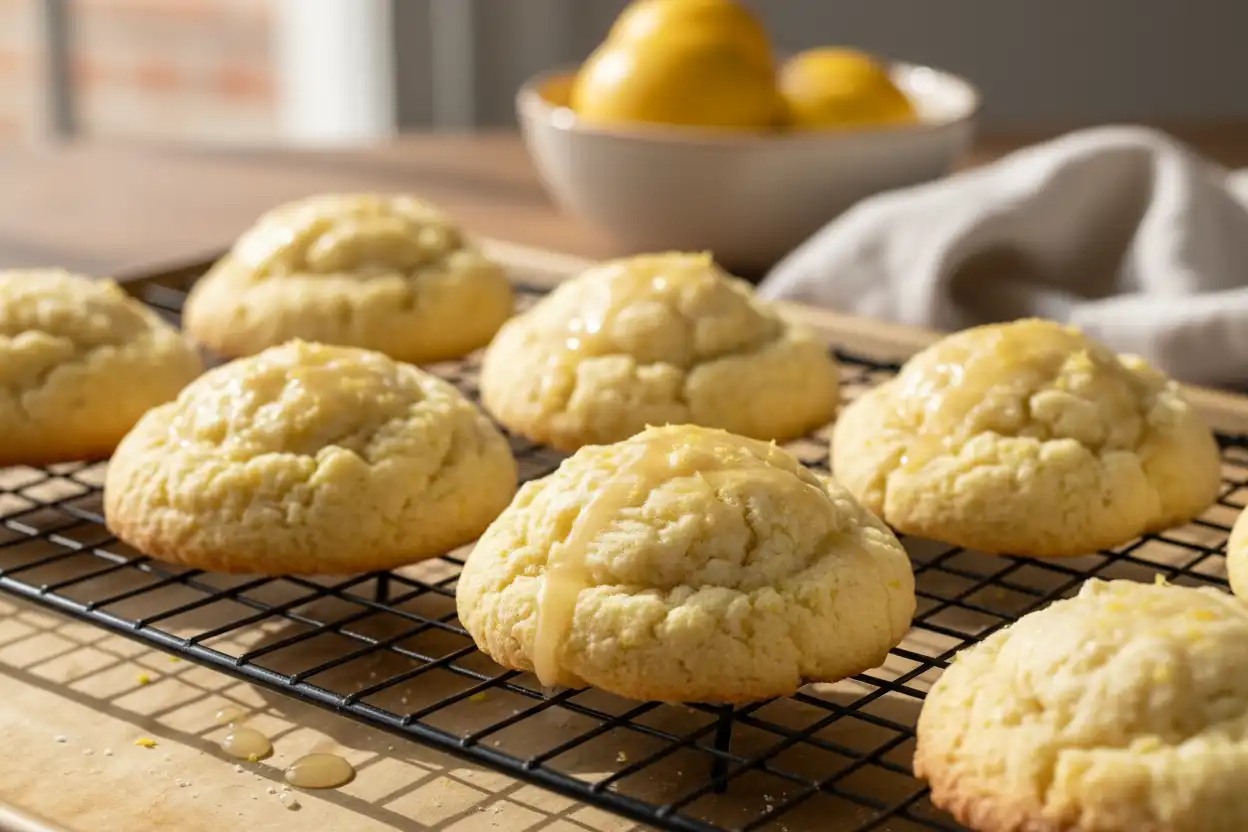
Bake the cookies at 350°F for 10 to 13 minutes, or until the tops look set and the bottoms are lightly golden.
The key is to avoid overbaking. These cookies should stay pale on top. If you wait for deep golden edges, the centers may lose their soft, delicate texture.
Look for these signs of doneness:
- The cookies are puffed and no longer shiny on top.
- The edges look set.
- The bottoms are lightly golden.
- The centers spring back gently when touched.
Let the cookies cool on the baking sheet for about 5 minutes, then transfer them to a wire rack to cool completely.
Step 9: Make the Lemon Glaze
While the cookies cool, whisk together powdered sugar, lemon juice, lemon zest if using, and a small pinch of salt.
Start with 2 tablespoons of lemon juice, then add more a little at a time until the glaze is smooth and spoonable. It should be thick enough to coat the top of each cookie but thin enough to spread slightly.
If the glaze is too thick, add a few drops of lemon juice. If it is too thin, add more powdered sugar.
Step 10: Glaze and Let Set

Once the cookies are completely cool, spoon a small amount of glaze over each one. You can let the glaze drip naturally over the sides or spread it gently with the back of a spoon.
For extra lemon flavor, sprinkle a tiny amount of fresh zest over the glaze before it sets. You can also add a few white sprinkles or sanding sugar for a festive finish.
Let the glazed cookies sit at room temperature until the icing firms up. This usually takes 30 to 60 minutes, depending on the thickness of the glaze and the humidity in your kitchen.
Tips for Perfect Lemon Ricotta Cookies
Use Whole Milk Ricotta When Possible
Whole milk ricotta gives these cookies their best texture. It adds richness without making them heavy. If your ricotta is watery, drain it first so the dough does not become too loose.
Measure Flour Carefully
Too much flour is one of the most common reasons ricotta cookies with lemon turn out dry. Spoon flour into the measuring cup, then level it off with a straight edge. Do not pack it down.
Don’t Skip the Chill
The dough is naturally soft because of the ricotta. Chilling helps the cookies hold their shape and bake into tender, rounded domes.
Bake One Sheet at a Time
For the most even results, bake one sheet on the center rack. If baking two sheets at once, rotate them halfway through and switch their positions.
Glaze Only Cooled Cookies
Warm cookies will melt the glaze, causing it to run off instead of setting into a smooth coating. Patience gives you a prettier finish.
Common Mistakes to Avoid
Even simple lemon cookies can go wrong if a few details are overlooked. Here are the most common issues and how to fix them.
The Cookies Spread Too Much
This usually means the dough was too warm, the ricotta was too wet, or the butter was overly soft. Chill the dough longer before baking the next batch.
The Cookies Taste Too Mild
Use more zest, not more juice. Lemon zest adds concentrated citrus flavor without changing the dough texture.
The Cookies Are Dry
They may have been overbaked or made with too much flour. Pull them from the oven when the tops are just set and the bottoms are only lightly golden.
The Glaze Is Too Runny
Add powdered sugar one spoonful at a time until it thickens. The glaze should fall slowly from a spoon, not pour like liquid.
Flavor Variations
Once you master the classic version, try a few simple variations.
Lemon Almond Ricotta Cookies
Add 1/2 teaspoon almond extract to the dough and sprinkle sliced almonds over the glaze before it sets.
Lemon Blueberry Ricotta Cookies
Fold a small handful of fresh or dried blueberries into the dough. If using fresh berries, mix gently so they do not burst and streak the dough.
Lemon Poppy Seed Ricotta Cookies
Add 1 tablespoon of poppy seeds to the dry ingredients for a bakery-style twist.
Orange Ricotta Cookies
Swap lemon zest and juice for orange zest and juice. This creates a softer citrus flavor that works beautifully for holiday cookie trays.
How to Store Lemon Ricotta Cookies
Store glazed cookies in an airtight container at room temperature for 1 to 2 days. For longer storage, refrigerate them. Because these cookies are moist, it is best to separate layers with parchment paper to protect the glaze.
If refrigerating, let the cookies sit at room temperature for 10 to 15 minutes before serving. This helps restore their soft texture and brings out the lemon flavor.
Can You Freeze Them?
Yes, lemon ricotta cookies freeze well. For best results, freeze them before glazing.
To freeze unglazed cookies:
- Let the baked cookies cool completely.
- Place them in a single layer on a baking sheet and freeze until firm.
- Transfer them to a freezer-safe container or bag.
- Thaw at room temperature, then glaze before serving.
You can also freeze glazed cookies, but the glaze may become slightly tacky after thawing. If appearance matters, glaze them fresh.
Serving Ideas
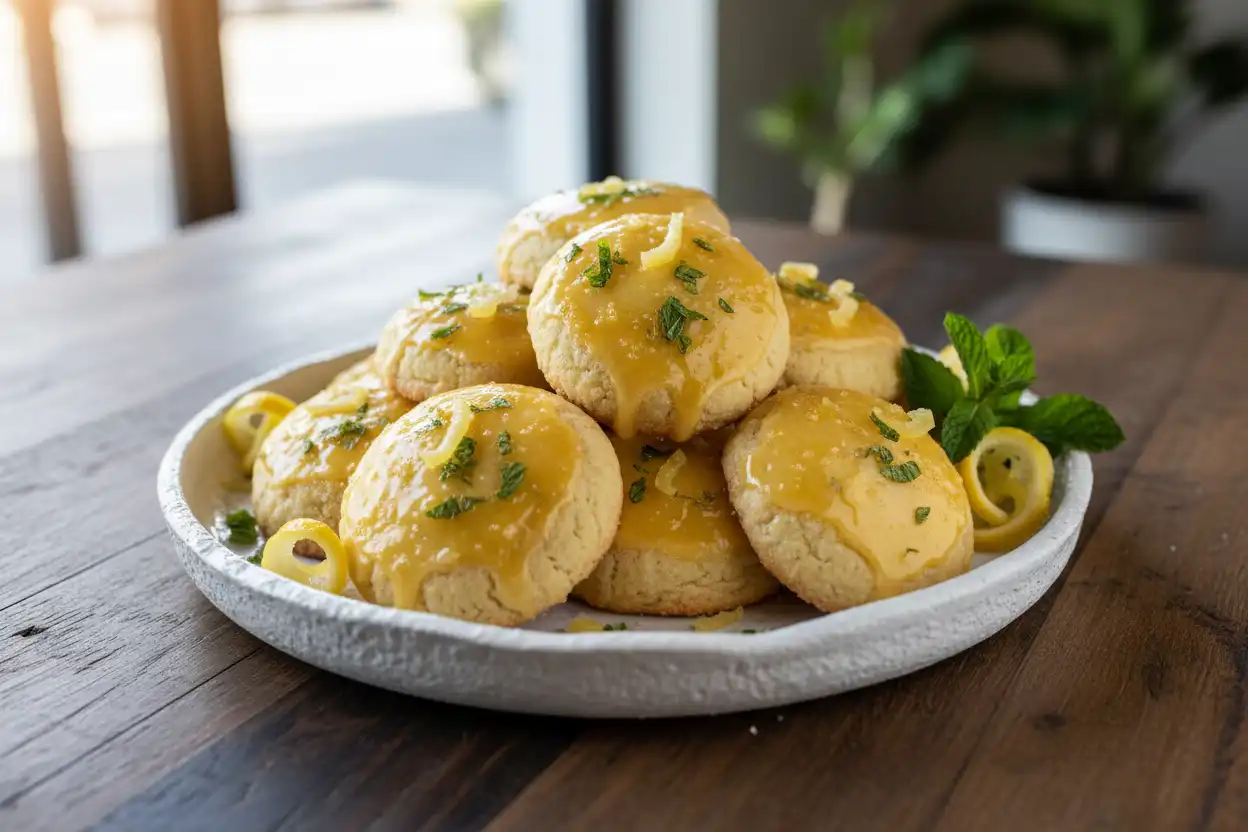
These cookies are delicious on their own, but they also pair beautifully with simple drinks and desserts. Serve them with:
- Hot coffee or espresso
- Black tea or herbal tea
- Fresh berries
- Vanilla ice cream
- A holiday cookie platter
- Brunch pastries and fruit
Because they are light, soft, and citrusy, they are especially nice after a rich meal. They also make thoughtful gifts when packed in a bakery box with parchment between layers.
Make-Ahead Plan
If you are baking for a party or holiday, break the process into easy stages.
The dough can be made the day before and chilled overnight. The cookies can be baked one day ahead and stored unglazed. On the day you plan to serve them, add the lemon glaze and let it set.
This approach gives you fresh-looking cookies without having to do all the work at once.
Final Baking Checklist
Before you start, keep this quick checklist in mind:
- Use fresh lemons for the best flavor.
- Choose whole milk ricotta if available.
- Drain watery ricotta before adding it to the dough.
- Cream the butter and sugar until light.
- Mix the flour in gently.
- Chill the dough before scooping.
- Bake just until set.
- Cool completely before glazing.
Follow these steps and you will have soft, fragrant, bakery-style lemon ricotta cookies with a tender crumb and a bright citrus finish. They are simple, classic, and exactly the kind of Italian cookies people reach for again and again.