
Soft centers, neat edges, glossy icing, and cheerful sprinkles all come down to a few small details: properly softened butter, a dough that chills just long enough, and decorating before the icing sets. This guide walks you through a dependable method for making sprinkle cookies that look bakery-worthy and taste buttery, tender, and fresh.
Whether you want classic round cookies, cut-out shapes, birthday treats, or holiday cookies with icing and sprinkles, this step-by-step process will help you get consistent results every time.
What You’ll Make
This recipe creates tender sugar cookies with a smooth vanilla flavor and a simple icing that dries softly enough to bite, but firm enough to stack once fully set. You can decorate them as simple cookies and sprinkles treats, or take your time with piped borders, flooded icing, and themed sprinkle blends.
You’ll get:
- Buttery sugar cookies that hold their shape
- A smooth icing that works for dipping, spreading, or piping
- Bright, even sprinkle coverage
- Cookies that are sturdy enough for gifting, parties, or cookie trays
Ingredients
For the cookies
- 2 3/4 cups all-purpose flour, plus more for rolling
- 1 teaspoon baking powder
- 1/2 teaspoon fine salt
- 1 cup unsalted butter, softened but not melted
- 1 cup granulated sugar
- 1 large egg, room temperature
- 2 teaspoons vanilla extract
- 1/2 teaspoon almond extract, optional
For the icing
- 2 cups powdered sugar, sifted if lumpy
- 2 to 4 tablespoons milk or heavy cream
- 1 tablespoon light corn syrup or honey, optional for shine
- 1/2 teaspoon vanilla extract
- Pinch of salt
- Food coloring, optional
For decorating
- Rainbow sprinkles, sanding sugar, nonpareils, jimmies, or themed sprinkles
- Extra flour for the work surface
- Parchment paper
Tools You’ll Need
You do not need professional equipment for this cookie recipe, but the right tools make the process easier:
- Mixing bowls
- Hand mixer or stand mixer
- Measuring cups and spoons
- Rubber spatula
- Rolling pin
- Cookie cutters or a round cutter
- Baking sheets
- Parchment paper or silicone baking mats
- Wire cooling rack
- Small offset spatula, spoon, or piping bag for icing
Step 1: Soften the Butter Correctly
Perfect sprinkle cookies start before you even mix the dough. The butter should be soft enough to press with a finger, but it should not look greasy, shiny, or melted. Butter that is too warm can cause cookies to spread, while butter that is too cold will not cream smoothly with the sugar.
If you forgot to set the butter out, cut it into small cubes and let it sit at room temperature for 15 to 20 minutes. Avoid microwaving if possible. Even a few melted spots can change the texture of the dough.
Step 2: Mix the Dry Ingredients
In a medium bowl, whisk together the flour, baking powder, and salt. This evenly distributes the leavening so the cookies bake consistently.
Do not skip this step or add the baking powder directly to the butter mixture. A quick whisk helps prevent pockets of salt or baking powder in the finished cookies.
Step 3: Cream the Butter and Sugar
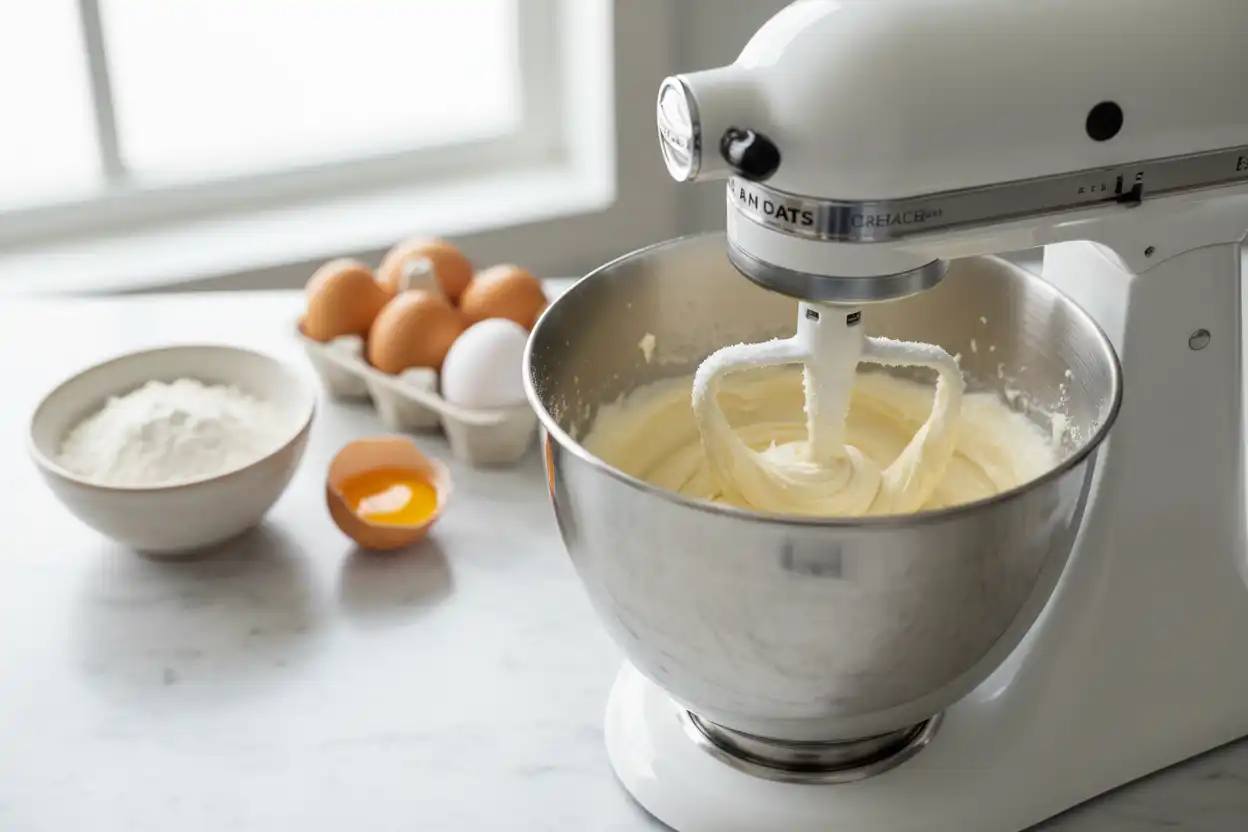
In a large bowl, beat the softened butter and granulated sugar together for about 2 to 3 minutes, until the mixture looks lighter and fluffier. This step builds the base texture of the cookie.
Scrape down the sides of the bowl once or twice so everything mixes evenly. If you are using a stand mixer, use the paddle attachment. If you are using a hand mixer, keep the speed at medium so the butter does not become too warm.
Step 4: Add the Egg and Flavoring
Beat in the egg, vanilla extract, and almond extract if using. Mix just until combined. Almond extract is optional, but even a small amount gives sugar cookies with icing and sprinkles that classic bakery-style flavor.
If the mixture looks slightly curdled after adding the egg, do not worry. It will smooth out once the flour is added.
Step 5: Add the Flour Mixture
Add the dry ingredients to the butter mixture in two or three additions. Mix on low speed until the dough comes together and no dry streaks remain.
The dough should feel soft but not sticky. If it clings heavily to your fingers, add 1 tablespoon of flour at a time until it is easier to handle. Avoid adding too much flour, though, because excess flour can make the cookies dry or tough.
Step 6: Chill the Dough
Divide the dough into two discs, wrap each one tightly, and chill for at least 45 minutes. Chilling firms the butter, hydrates the flour, and helps the cookies keep cleaner edges.
For best results, do not skip the chill. If the dough becomes too firm after a long chill, let it sit at room temperature for 10 to 15 minutes before rolling.
Step 7: Roll and Cut the Cookies

Lightly flour your work surface and rolling pin. Roll one disc of dough to about 1/4 inch thick. Thicker cookies stay softer, while thinner cookies bake crisper. For classic soft sugar cookies with frosting and sprinkles, 1/4 inch is the sweet spot.
Cut the dough into shapes and transfer them to a parchment-lined baking sheet. Leave about 1 inch between cookies. Gather scraps, reroll gently, and cut more cookies. Try not to reroll the same scraps too many times, as overworked dough can become tough.
If you want simple round sprinkle cookies, use a biscuit cutter, drinking glass, or round cookie cutter. Rounds are easy to decorate and stack neatly.
Step 8: Chill Again Before Baking
Once the cut cookies are on the baking sheet, chill them for 10 to 15 minutes. This short second chill helps preserve the shape, especially for cut-out designs.
While the cookies chill, preheat the oven to 350°F. Make sure the oven is fully heated before baking. An oven that is not hot enough can cause cookies to spread before they set.
Step 9: Bake Until Just Set
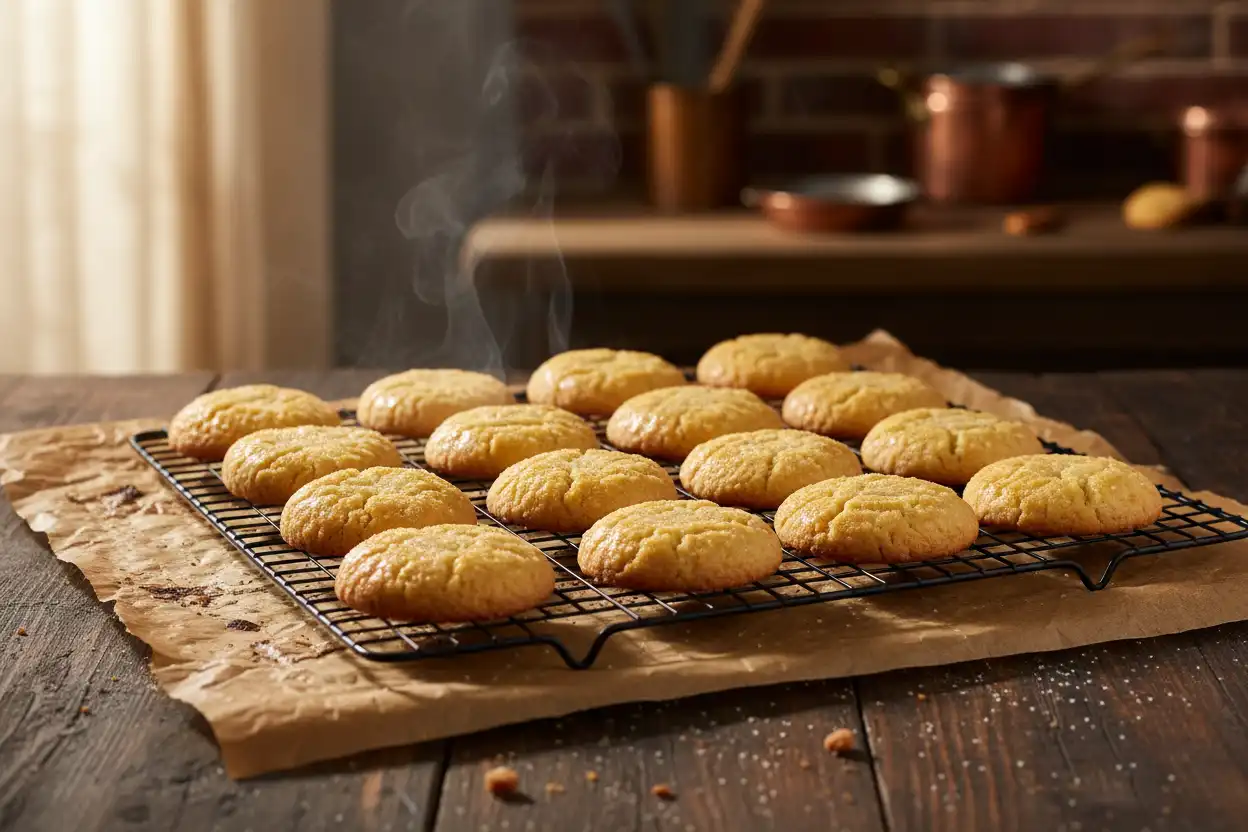
Bake the cookies for 8 to 11 minutes, depending on size and thickness. The edges should look set, and the tops should no longer appear shiny. For soft cookies, remove them before the edges turn deeply golden.
Let the cookies cool on the baking sheet for 5 minutes, then transfer them to a wire rack. Cool completely before icing. Warm cookies will melt the icing and cause sprinkles to slide.
Step 10: Make the Icing
In a bowl, whisk together powdered sugar, 2 tablespoons of milk or cream, corn syrup or honey if using, vanilla, and a pinch of salt. Add more milk, a small amount at a time, until the icing reaches your desired consistency.
For spreading, the icing should be thick but smooth. For dipping, it should slowly ribbon off the spoon. For piping borders, keep it thicker. If the icing becomes too thin, add more powdered sugar. If it is too thick, add milk a few drops at a time.
This icing is ideal for cookies with icing and sprinkles because it stays wet long enough for decorating but sets nicely after resting.
Step 11: Ice the Cookies
Once the cookies are fully cool, decorate them using one of these easy methods:
Spread-and-sprinkle method
Spoon a small amount of icing onto each cookie and spread it with the back of a spoon or an offset spatula. Add sprinkles immediately before the icing begins to set.
Dip method
Dip the top of each cookie into the icing, let the excess drip back into the bowl, then place the cookie on a rack or parchment paper. Add sprinkles right away.
Piped method
Use a piping bag or zip-top bag with a small corner snipped off. Pipe an outline around the cookie, then fill the center with thinner icing. This method is especially helpful for shaped sugar cookies with icing and sprinkles.
Step 12: Add the Sprinkles at the Right Time

Timing matters. Sprinkles need moisture to stick, so add them while the icing is still wet. If you wait too long, they will bounce off or sit loosely on top.
For the prettiest cookies with frosting and sprinkles, decorate one or two cookies at a time instead of icing the entire batch first. This gives you time to place sprinkles neatly and prevents the icing from crusting over.
If you are using nonpareils, remember that they can bleed color if they sit in wet icing for too long or if the cookies are stored in a humid place. Jimmies and sanding sugar are usually more forgiving.
Step 13: Let the Cookies Set
Place the decorated cookies in a single layer and let them rest at room temperature until the icing is set. Depending on icing thickness and humidity, this may take 1 to 3 hours.
Do not cover them tightly while the icing is still wet. Trapped moisture can soften the icing and cause colors to bleed. Once set, the cookies can be stacked with parchment between layers.
Pro Tips for Perfect Results
Measure flour carefully
Too much flour is one of the most common reasons sugar cookies turn out dry. Spoon flour into the measuring cup, then level it off with a straight edge. Do not pack it down.
Keep the dough cool
Cool dough holds its shape better. If the dough becomes sticky while rolling, place it back in the refrigerator for 10 minutes.
Bake similar sizes together
Small cookies bake faster than large cookies. Group similar shapes and sizes on the same baking sheet so everything finishes at the same time.
Use parchment paper
Parchment helps prevent sticking and promotes even browning. It also makes cleanup easier when you are working with icing and sprinkles.
Do not overbake
Sugar cookies often look pale when they are done. If you wait for them to turn golden all over, they may become crisp instead of tender.
Flavor Variations
Once you master the basic method, you can adjust the flavor to match the occasion.
Try these ideas:
- Add lemon zest to the dough and lemon juice to the icing for a bright citrus version.
- Use almond extract in both the cookie and icing for a bakery-style flavor.
- Mix a small amount of cocoa powder into the dough for chocolate sprinkle cookies.
- Add cinnamon or nutmeg for a warm holiday cookie.
- Tint the icing with food coloring to match birthdays, showers, or seasonal celebrations.
These variations work especially well when you want cookie recipes that can be used year-round without changing the core technique.
Troubleshooting Common Problems
The cookies spread too much
The butter may have been too warm, the dough may not have chilled long enough, or the baking sheet may have been warm from a previous batch. Chill the cut cookies before baking and use cool baking sheets.
The cookies are tough
The dough may have been overmixed after adding the flour, or the scraps may have been rerolled too many times. Mix only until combined and handle the dough gently.
The icing is runny
Add powdered sugar 1 tablespoon at a time until it thickens. For more control, make the icing slightly thicker than you think you need, then thin it gradually.
The sprinkles are falling off
They were probably added after the icing started to set. Decorate in small batches and sprinkle immediately after icing each cookie.
The colors are bleeding
Some sprinkles bleed in wet icing or humid storage. Use jimmies or sanding sugar for better color stability, and let the icing set fully before storing.
How to Store Sprinkled Cookies
Store fully set cookies in an airtight container at room temperature for up to several days. Place parchment paper between layers to protect the decorations.
If you need to make them ahead, bake the cookies and freeze them undecorated. Once cooled, layer them between parchment in a freezer-safe container. Thaw at room temperature, then ice and decorate when ready to serve.
Decorated cookies can also be frozen, but the sprinkles and icing may change texture slightly after thawing. For the freshest look, decorate close to the day you plan to serve them.
Make-Ahead Plan
If you are preparing for a party or holiday, break the process into stages:
- Make the dough one or two days ahead and refrigerate it.
- Roll, cut, and bake the cookies the day before decorating.
- Ice and add sprinkles once the cookies are completely cool.
- Let the icing set fully before stacking or packaging.
This approach keeps the process relaxed and helps you avoid rushing through the decorating step.
Final Decorating Ideas

For classic cookies with frosting and sprinkles, use white icing and rainbow jimmies. For birthdays, tint the icing in bright colors and use confetti sprinkles. For holidays, choose themed shapes and matching sprinkle blends. For a simple everyday treat, dip half of each cookie in icing and finish with a small pinch of sanding sugar.
The best sprinkled cookies are not just pretty; they are balanced. A tender cookie, a thin layer of sweet icing, and a cheerful crunch of sprinkles create the perfect bite. Once you learn the timing and texture cues, this recipe becomes one of those reliable cookie recipes you can return to for almost any celebration.