
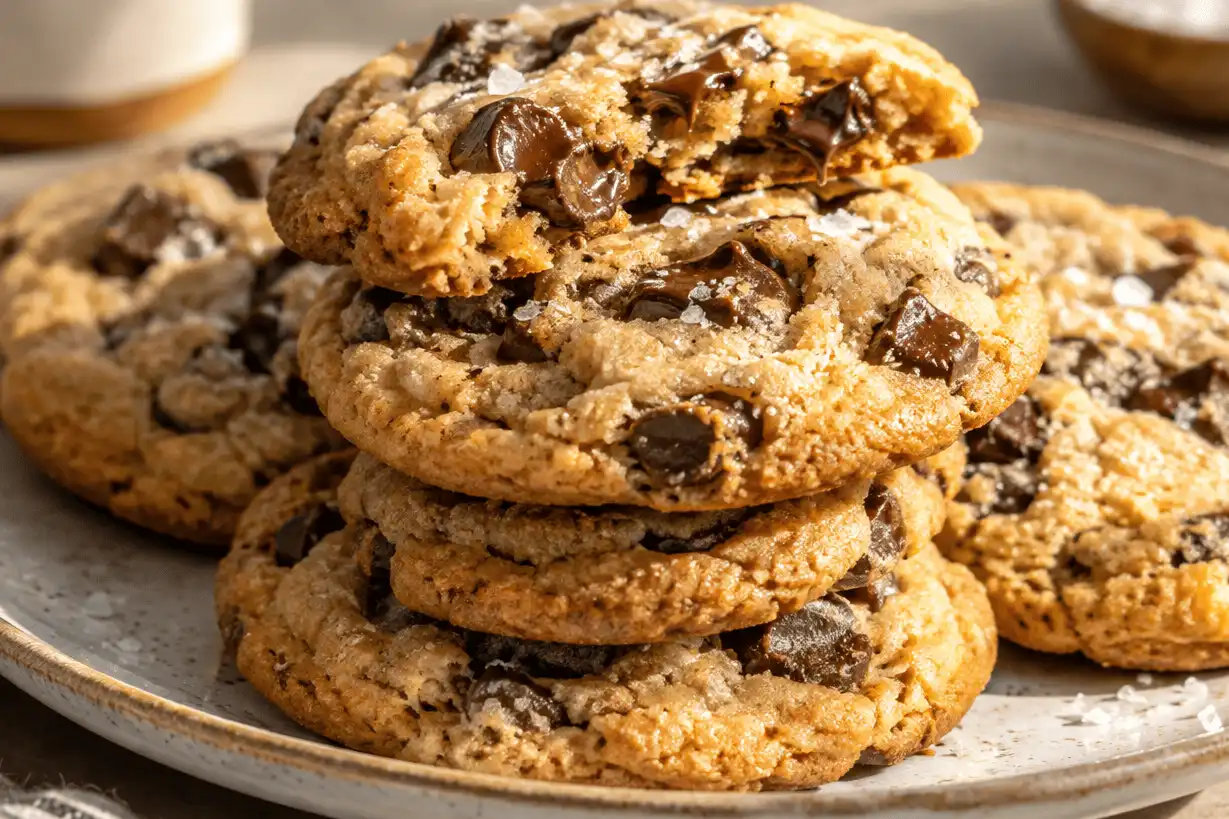
Yes — you can add chocolate chips to sugar cookies, and the result is a soft, buttery cookie with crisp edges and pockets of chocolate in every bite. The key is to adjust the mixing, chilling, and baking slightly so the dough stays tender instead of spreading too much. This guide walks you through a reliable chocolate chip sugar cookies recipe, plus coconut sugar and gluten-free variations for different baking needs.
Can you add chocolate chips to sugar cookie dough?
You can fold chocolate chips directly into sugar cookie dough after the flour is mostly mixed in. Sugar cookie dough is usually lighter and more delicate than classic chocolate chip cookie dough, so the best approach is to use a moderate amount of chips, chill the dough, and bake until the edges are just set. This keeps the cookies from becoming greasy, flat, or overly sweet.
The biggest difference is flavor. Traditional chocolate chip cookies often use brown sugar for a deeper, caramel-like chew. Chocolate chip cookies made without brown sugar taste cleaner and more buttery, which lets vanilla and chocolate stand out. If you want a warmer, more caramelized flavor without using brown sugar, coconut sugar chocolate chip cookies are an easy variation.
Ingredients
Use a kitchen scale for the most consistent results, especially when measuring flour. If you measure by cups, spoon the flour into the cup and level it rather than scooping straight from the bag.
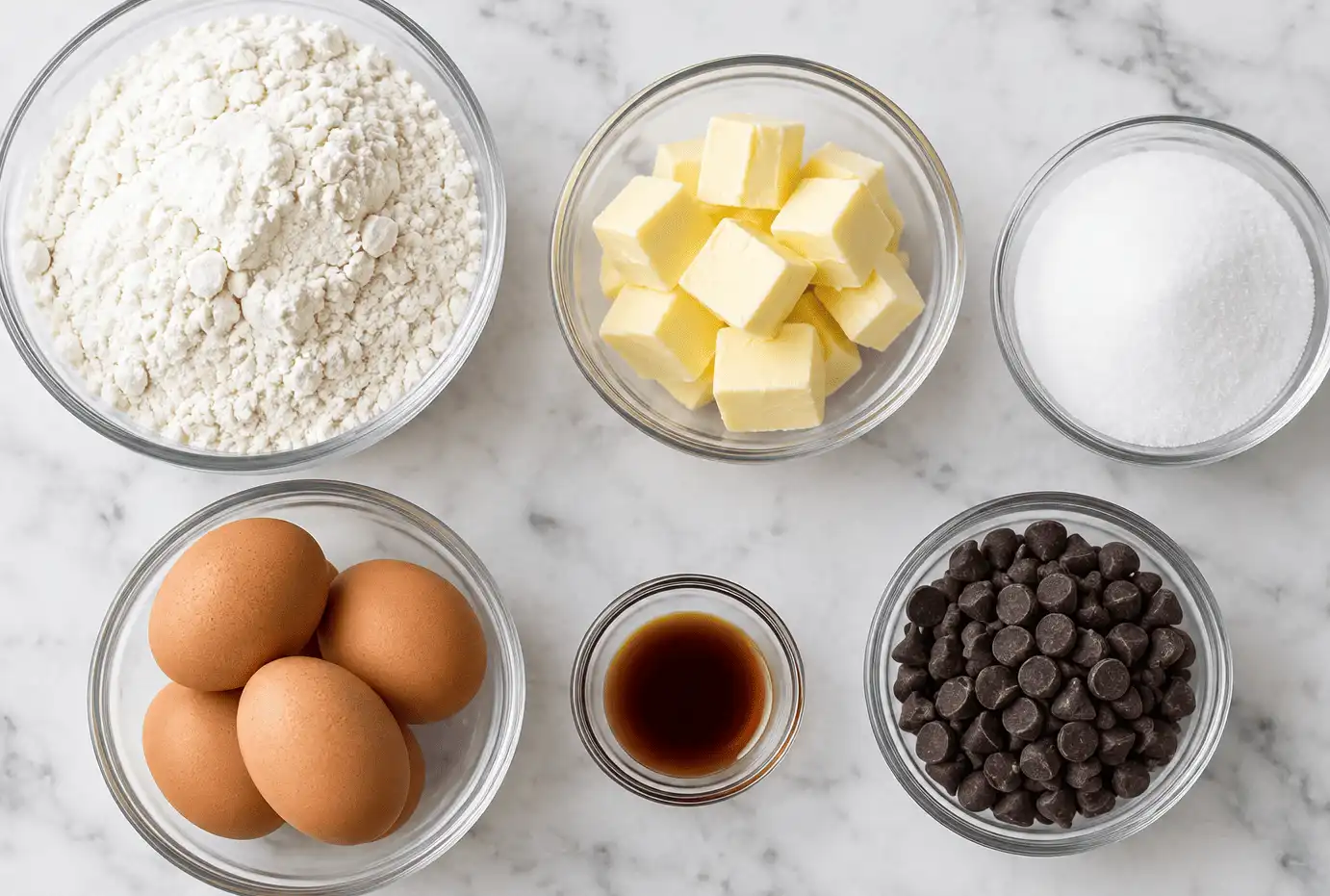
For the cookie dough
- 2 1/2 cups all-purpose flour — 315 g
- 1 teaspoon baking powder — 4 g
- 1/2 teaspoon fine salt — 3 g
- 1 cup unsalted butter, softened — 226 g
- 1 cup granulated sugar — 200 g
- 1 large egg, room temperature — about 50 g without shell
- 1 large egg yolk, room temperature — about 18 g
- 2 teaspoons vanilla extract — 10 ml
- 1/4 teaspoon almond extract, optional — 1 ml
- 1 cup semi-sweet chocolate chips — 170 g
- 2 tablespoons mini chocolate chips, optional for topping — 20 g
Optional finishing ingredients
- 2 tablespoons granulated sugar for rolling — 25 g
- 1/4 teaspoon flaky salt for topping, optional — 1 g
Recommended tools
- Kitchen scale for accurate flour and sugar measurements
- Electric mixer or stand mixer for creaming butter and sugar
- Silicone spatula for folding in chocolate chips without overmixing
- Cookie scoop or tablespoon for even portions
- Parchment-lined baking sheets for even baking and easier cleanup
- Wire cooling rack so the cookies set without steaming underneath
- Piping bag, optional, if you want to pipe very soft dough into small decorative rounds before chilling
- 8-inch or 9-inch cake pan, optional, if you want to bake the dough as thicker cookie bars instead of individual cookies
Step-by-step baking instructions
- Prepare the baking sheets. Line two baking sheets with parchment paper. If you only have one baking sheet, bake in batches and let the sheet cool before adding the next round of dough. Warm pans can melt the butter too quickly and cause the cookies to spread.
- Whisk the dry ingredients. In a medium bowl, whisk together the flour, baking powder, and salt. This distributes the leavening evenly so the cookies rise gently instead of forming uneven pockets. Set the bowl aside while you mix the butter and sugar.
- Cream the butter and sugar. Add the softened butter and granulated sugar to a large mixing bowl. Beat with an electric mixer on medium speed for 2 to 3 minutes, until the mixture looks lighter and slightly fluffy. This step adds air to the dough and gives chocolate chip sugar cookies their tender texture.
- Add the egg, yolk, and extracts. Beat in the egg, then the egg yolk, vanilla extract, and almond extract if using. Scrape down the sides of the bowl with a silicone spatula so the butter mixture is smooth and evenly blended. The extra yolk adds richness without making the dough too wet.
- Mix in the dry ingredients gently. Add the flour mixture in two additions, mixing on low speed just until the dough begins to come together. Stop as soon as you no longer see large streaks of flour. Overmixing can make sugar cookies tough, especially after the chocolate chips are added.
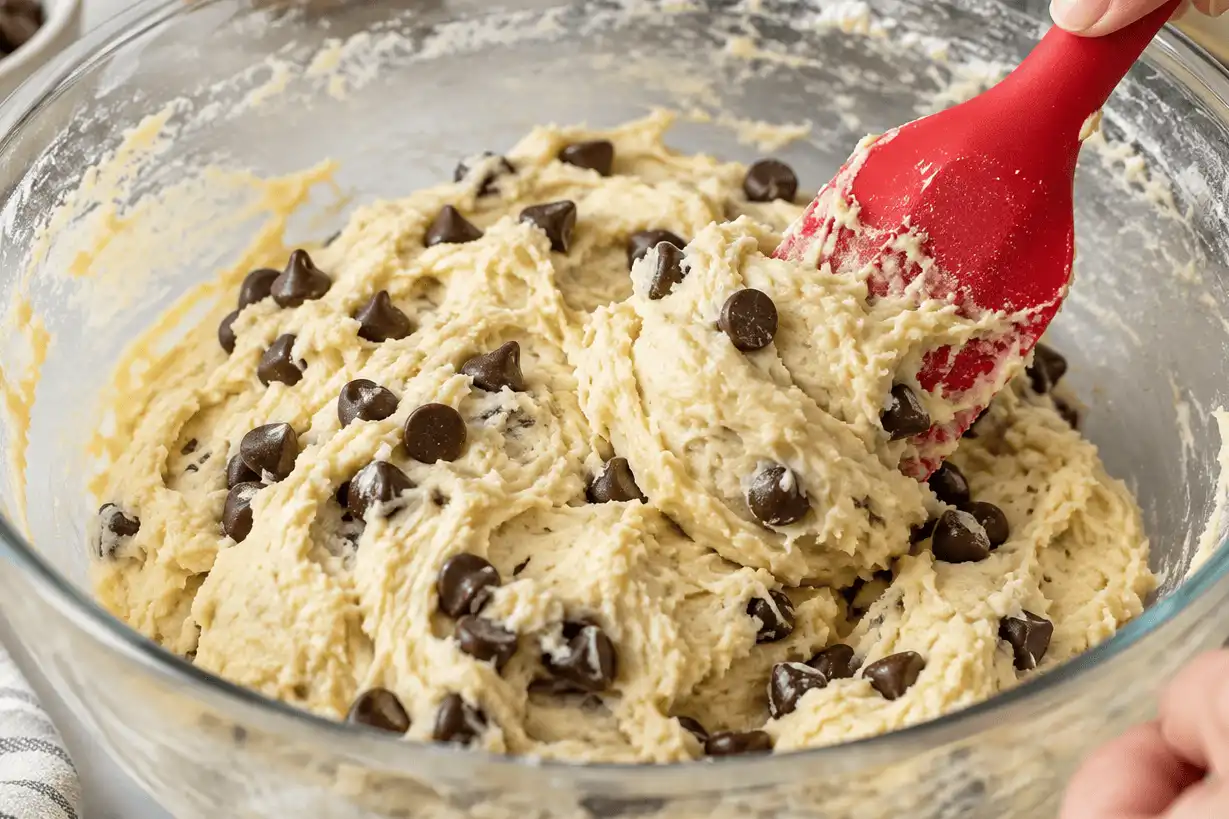
- Fold in the chocolate chips. Use a silicone spatula to fold in 1 cup of semi-sweet chocolate chips. Stir slowly from the bottom of the bowl so the chips are evenly distributed. If the dough feels very soft or sticky, cover the bowl and chill it for 15 minutes before scooping.
- Chill the dough. Cover the dough and refrigerate it for at least 30 minutes. Chilling firms the butter, helps prevent overspreading, and gives the flour time to hydrate. For thicker cookies, chill the dough for 1 to 2 hours.
- Preheat the oven. Heat the oven to 350°F / 175°C. Place a rack in the center of the oven for even browning. If your oven runs hot, an oven thermometer is useful because sugar cookies can go from pale to overbaked quickly.
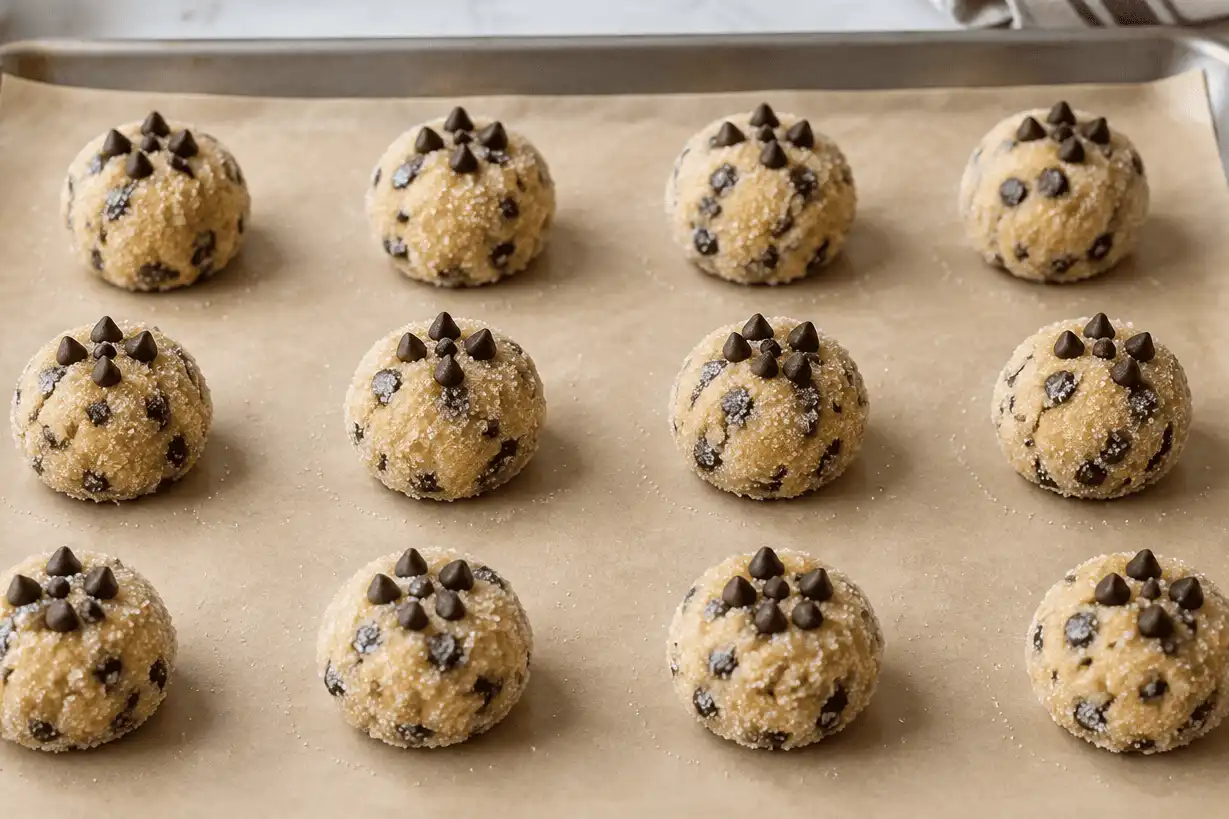
- Scoop and shape the cookies. Scoop the chilled dough into 1 1/2-tablespoon portions, about 30 g each. Roll each portion gently into a ball, then roll in granulated sugar if you want a lightly crisp exterior. Place the dough balls about 2 inches apart on the prepared baking sheets.
- Add extra chips on top. Press a few mini chocolate chips onto the tops of the dough balls before baking. This step is optional, but it gives the cookies a bakery-style look and makes the chocolate more visible. Do not flatten the dough too much unless you prefer thinner cookies.
- Bake until the edges are set. Bake for 9 to 11 minutes, one sheet at a time, until the edges look set and the centers still look slightly soft. The cookies should not be deeply browned. They will continue to firm up on the hot baking sheet after they come out of the oven.
- Cool before serving. Let the cookies rest on the baking sheet for 5 minutes, then transfer them to a wire rack. This short rest helps the centers finish setting without drying out. Sprinkle with a tiny pinch of flaky salt while warm if you like a sweet-salty finish.
Use coconut sugar for a deeper flavor
If you want chocolate chip cookies using coconut sugar, replace the granulated sugar with 1 cup coconut sugar, about 160 g. Coconut sugar is darker and more flavorful than white sugar, so the cookies will taste slightly toasty and caramel-like. They may also bake a little darker, so check them early.
For coconut palm sugar chocolate chip cookies, use the same amount: 1 cup coconut palm sugar, 160 g. Coconut palm sugar and coconut sugar are commonly used in similar ways in cookie recipes, though brands vary in texture and moisture. If your coconut sugar is coarse, pulse it briefly in a food processor or rub it between your fingers before mixing so it creams more smoothly with the butter.
When making chocolate chip cookies with coconut palm sugar, expect a softer-looking dough and a slightly less crisp edge. Chill the dough for at least 45 minutes to control spread. These cookies pair especially well with dark chocolate chips because the sugar has a deeper, less neutral sweetness than granulated sugar.
Make gluten-free or lower-sugar variations carefully
To make gluten-free chocolate chip sugar cookies, replace the all-purpose flour with 2 1/2 cups / 315 g of a 1:1 gluten-free baking flour blend that contains xanthan gum. Let the mixed dough rest for 15 minutes before chilling so the flour can hydrate. Gluten-free dough can feel slightly gritty at first, but resting helps improve the texture.
If you are searching for gluten free sugar free chocolate chip cookies, use this recipe as a starting point rather than a direct swap. Sugar affects sweetness, browning, spread, and tenderness, so replacing it completely can change the cookie structure. Choose a cup-for-cup baking sweetener designed for cookies, follow the sweetener brand’s guidance, and watch the first tray closely because sugar-free doughs can brown differently.
For a balanced compromise, reduce the chocolate chips to 3/4 cup / 128 g or use darker chocolate. You can also make smaller cookies with a 1-tablespoon scoop and bake them for a shorter time. Smaller portions keep the cookie experience satisfying without requiring a major formula change.
Baking tips for the best results
Professional-looking cookies usually come from small technique choices rather than complicated steps. Keep the butter soft but not melted, weigh the flour when possible, and bake at 350°F / 175°C for a soft center with lightly set edges. If the dough becomes too warm while you scoop it, return it to the refrigerator for 10 to 15 minutes.
To check cookie doneness, look for edges that appear dry and set while the centers still look slightly underbaked. The tops should look puffed, not wet, and the bottoms should be lightly golden. For cake doneness check methods when baking this dough as cookie bars in an 8-inch or 9-inch cake pan, insert a toothpick near the center; it should come out with moist crumbs, not raw batter.
Storage matters because sugar cookies can dry out if left uncovered. Store cooled cookies in an airtight container at room temperature for up to 4 days. For longer storage, freeze baked cookies in a sealed freezer-safe container for up to 2 months, or freeze scooped dough balls and bake from frozen by adding 1 to 2 minutes to the baking time.
Troubleshoot common cookie problems
If your cookies spread too much, the dough was probably too warm, the butter was too soft, or the flour was undermeasured. Chill the remaining dough longer and bake on a cool, parchment-lined sheet. A kitchen scale helps prevent this problem because even a small flour difference can change how sugar cookie dough behaves.
If the cookies turn out dry, they may have baked too long or had too much flour. Pull the next tray when the centers still look soft, and let the cookies finish setting on the pan. Sugar cookies are meant to be pale, so deep browning is usually a sign they have gone too far.
If the chocolate chips do not distribute evenly, fold them in by hand instead of using the mixer. A silicone spatula gives you more control and prevents the chips from collecting at the bottom of the bowl. For a more polished look, reserve a small handful of chips and press them onto the dough balls right before baking.
Serving ideas
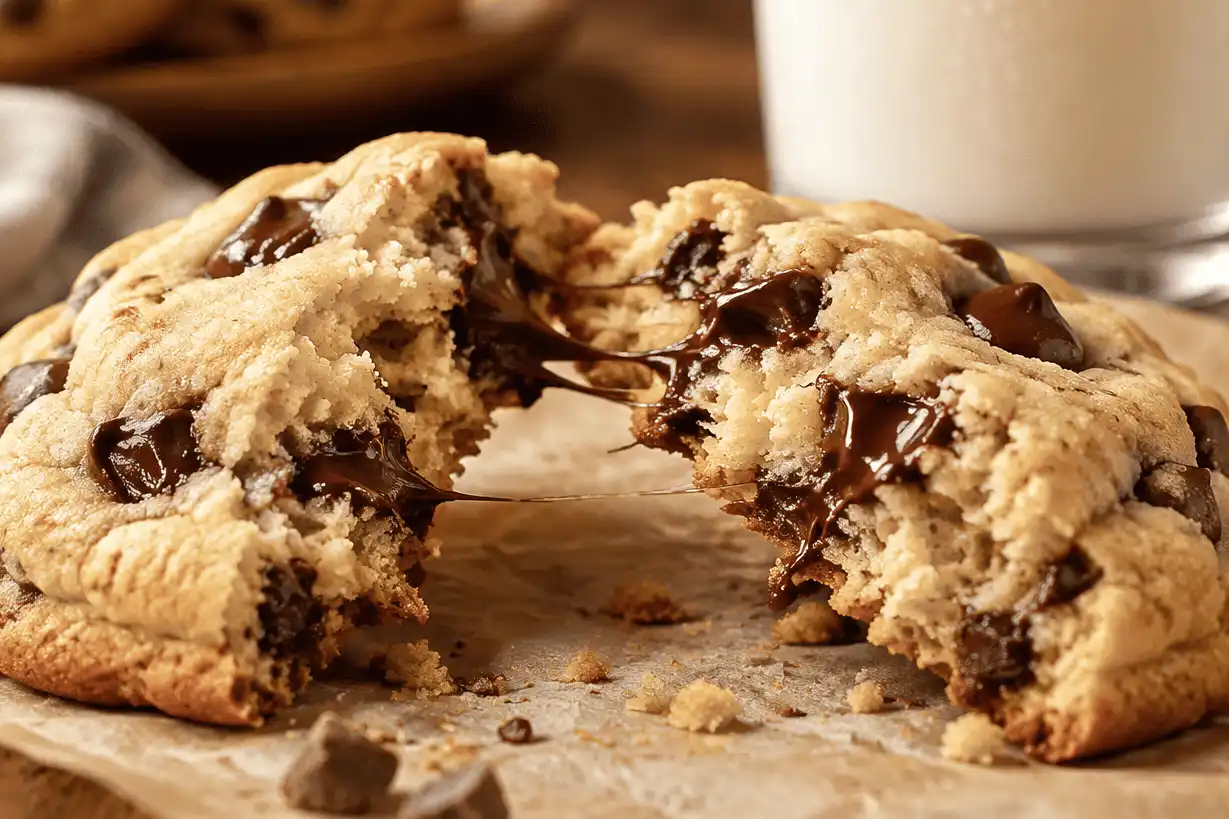
These cookies are simple enough for lunchboxes and polished enough for dessert trays. Serve them slightly warm with milk, coffee, or hot chocolate, or sandwich two cookies with a thin layer of vanilla buttercream for a sweeter treat. If you are making them for a party, scoop the dough ahead of time and refrigerate the dough balls so you can bake fresh cookies shortly before serving.
You can also turn the dough into cookie bars when you want less scooping. Press the chilled dough evenly into a parchment-lined 8-inch or 9-inch cake pan and bake at 350°F / 175°C until the edges are set and the center passes the moist-crumb toothpick check. Cool completely before slicing so the bars hold clean edges.
Adding chocolate chips to sugar cookies is simple, but the best results come from treating the dough gently. Measure accurately, chill before baking, and pull the cookies while the centers are still soft. Whether you make classic chocolate chip sugar cookies, coconut sugar chocolate chip cookies, or a gluten-free variation, the method stays approachable and the payoff is a buttery cookie with just the right amount of chocolate.