
How to Bake Perfect Chocolate Cookies
A truly memorable chocolate cookie is more than sweet dough and chocolate chips. It has contrast: crisp edges, a soft center, deep cocoa flavor, pockets of melted chocolate, and just enough salt to keep every bite balanced. Whether you love classic chocolate chip cookies, rich fudgy chocolate cookies, or a heartier batch of chocolate chip cookies with oat flour, the secret is understanding how ingredients and technique work together.
This guide walks through the foundations of a reliable chocolate cookie recipe, explains common mistakes, and offers variations for oats, coconut, extra chocolate, and even no bake cookies with chocolate chips when you want a quicker option.
What Makes a Chocolate Cookie “Perfect”?
Perfect is personal, but most great cookies share a few qualities:
- Flavor depth: Cocoa, brown sugar, vanilla, butter, and salt should all be noticeable without competing.
- Softness in the center: The cookie should be tender, not cakey or dry.
- A little chew: Brown sugar, proper mixing, and slightly underbaking help create that satisfying texture.
- Chocolate in every bite: Chips, chunks, or chopped chocolate make the cookie feel generous.
- Balanced sweetness: A small amount of salt and a bittersweet chocolate element prevent the cookie from tasting flat.
- Consistent shape and bake: Even scoops and a rested dough lead to better texture and appearance.
Start With the Right Ingredients
The best cookies begin before the dough is mixed. Each ingredient affects spread, chew, softness, and flavor.
Butter
Butter adds richness and helps cookies spread. Softened butter is ideal for a classic creamed cookie dough because it traps air when mixed with sugar. Melted butter can create denser, chewier cookies, but it may also cause more spread if the dough is not chilled.
For soft chocolate cookies, use butter that is pliable but not greasy. If you press it with a finger, it should give slightly without collapsing.
Sugar
Most chocolate cookie recipes use a mix of brown sugar and granulated sugar.
- Brown sugar adds moisture, chew, and caramel-like flavor.
- Granulated sugar encourages spread and crispness at the edges.
If you want fudgier cookies, lean slightly more toward brown sugar. If you want a thinner cookie with crisp edges, use a bit more granulated sugar.
Cocoa Powder
Cocoa gives the dough its chocolate base. Unsweetened cocoa powder is usually best because it lets you control the sweetness. For deeper flavor, choose a cocoa powder you enjoy in brownies or hot chocolate.
If the dough tastes dull, the issue may not be lack of sugar. Often, it needs salt, vanilla, or better-quality cocoa.
Flour
All-purpose flour is the standard choice for classic chocolate cookies. It provides enough structure without making the cookie tough.
For chocolate chip cookies with oat flour, you can replace part of the all-purpose flour with oat flour for a softer, slightly nutty cookie. Oat flour absorbs moisture differently, so dough made with it may need a short rest before baking.
Eggs
Eggs bind the dough and add moisture. A whole egg gives structure, while an extra yolk can make cookies richer and more tender. If you want fudgy chocolate cookies, an extra yolk is a simple way to add richness without making the dough too wet.
Chocolate Chips, Chunks, and Chopped Chocolate
For the most satisfying chocolate cookies with chocolate, use more than one form of chocolate. Chips hold their shape, chunks create melty pockets, and chopped chocolate leaves thin streaks throughout the dough.
A mix of semisweet and dark chocolate usually works well. Milk chocolate can be delicious, but it may make the cookies sweeter, especially in an already rich dough.
The Core Method for Better Chocolate Cookies
A good cookie method is simple, but the details matter.
1. Measure Carefully
Too much flour is one of the most common reasons cookies turn dry or cakey. If you do not use a kitchen scale, spoon flour into the measuring cup and level it off instead of scooping directly from the bag. Scooping packs flour tightly and can add more than the dough needs.
Cocoa powder can also compact easily, so measure it gently.
2. Cream Butter and Sugar Properly
For classic chocolate chip cookies, beat softened butter with the sugars until the mixture looks lighter and slightly fluffy. This step helps create a tender cookie with a better shape.
Avoid overmixing after the flour goes in. Once dry ingredients are added, mix only until no dry streaks remain. Too much mixing can develop gluten and make cookies tougher.
3. Chill the Dough
Chilling is one of the easiest ways to improve flavor and texture. Rested dough spreads less, bakes more evenly, and develops deeper flavor. Even 30 minutes can help, but several hours often produces a richer cookie.
If the dough becomes very firm, let it sit at room temperature briefly before scooping.
4. Scoop Even Portions
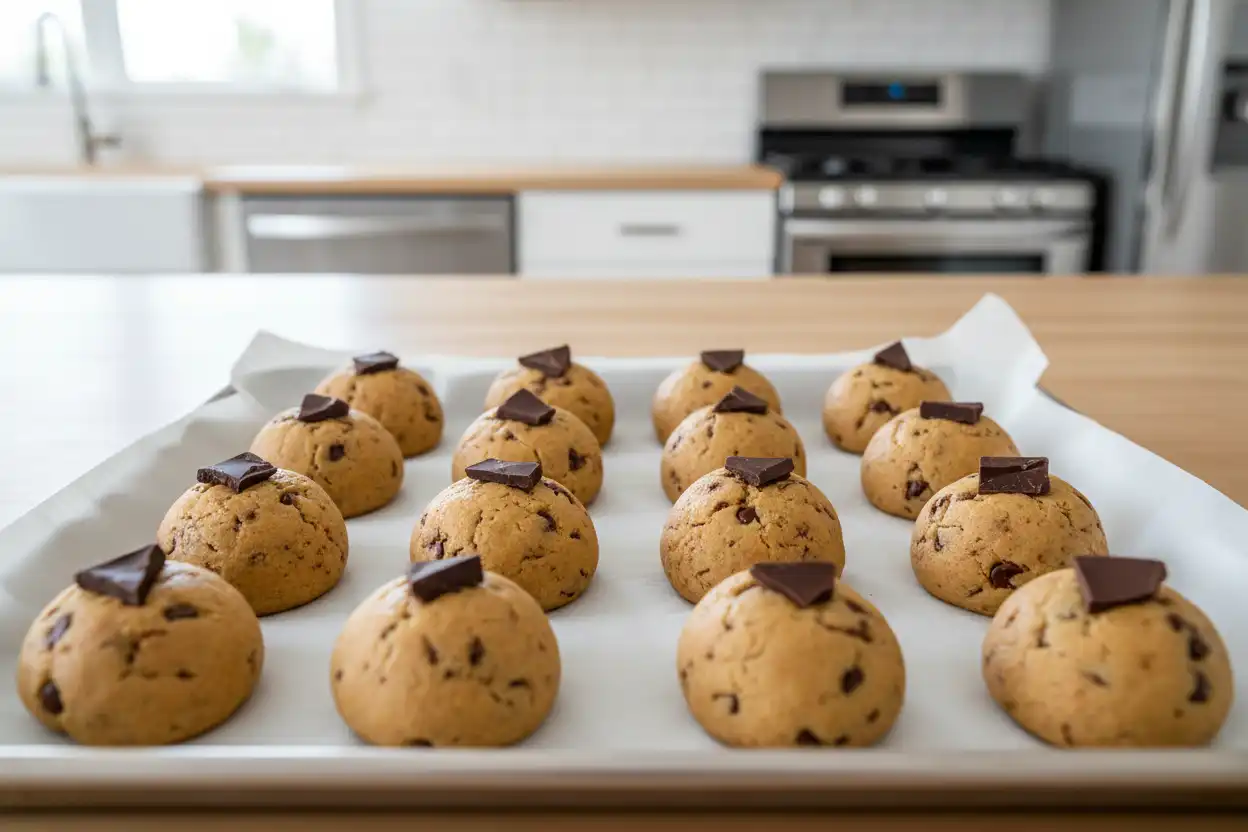
Uniform dough balls bake at the same rate. A cookie scoop makes this easier, but two spoons work too. For bakery-style cookies, roll the dough balls tall rather than wide. A taller shape helps the center stay thick while the edges spread.
5. Bake Until Just Set
Chocolate cookies can be tricky because their color makes browning harder to see. Look for edges that are set and centers that still look slightly soft. The cookies will continue to firm up on the hot baking sheet after they leave the oven.
For soft chocolate cookies, remove them before they look fully done. Overbaking is the fastest way to lose that tender center.
A Reliable Base Formula
Use this as a flexible starting point for a classic chocolate cookie dough:
- Softened butter for richness and spread
- Brown sugar for chew
- Granulated sugar for crisp edges
- Egg plus optional extra yolk for tenderness
- Vanilla for aroma
- Unsweetened cocoa powder for chocolate flavor
- All-purpose flour for structure
- Baking soda for lift
- Salt for balance
- Chocolate chips, chunks, or chopped chocolate for texture
This base can become classic chocolate chip cookies, double chocolate cookies, oat flour cookies, or coconut oatmeal cookies depending on the mix-ins.
How to Make Cookies Softer
If your goal is soft, tender cookies, focus on moisture and bake time.
Try these adjustments:
- Use more brown sugar than granulated sugar.
- Add an extra egg yolk for richness.
- Chill the dough before baking.
- Bake just until the edges are set.
- Let cookies cool on the baking sheet for a few minutes before moving them.
- Store cookies in an airtight container once fully cooled.
Avoid adding too much flour, baking too long, or flattening the dough balls too much before baking.
How to Make Fudgier Chocolate Cookies
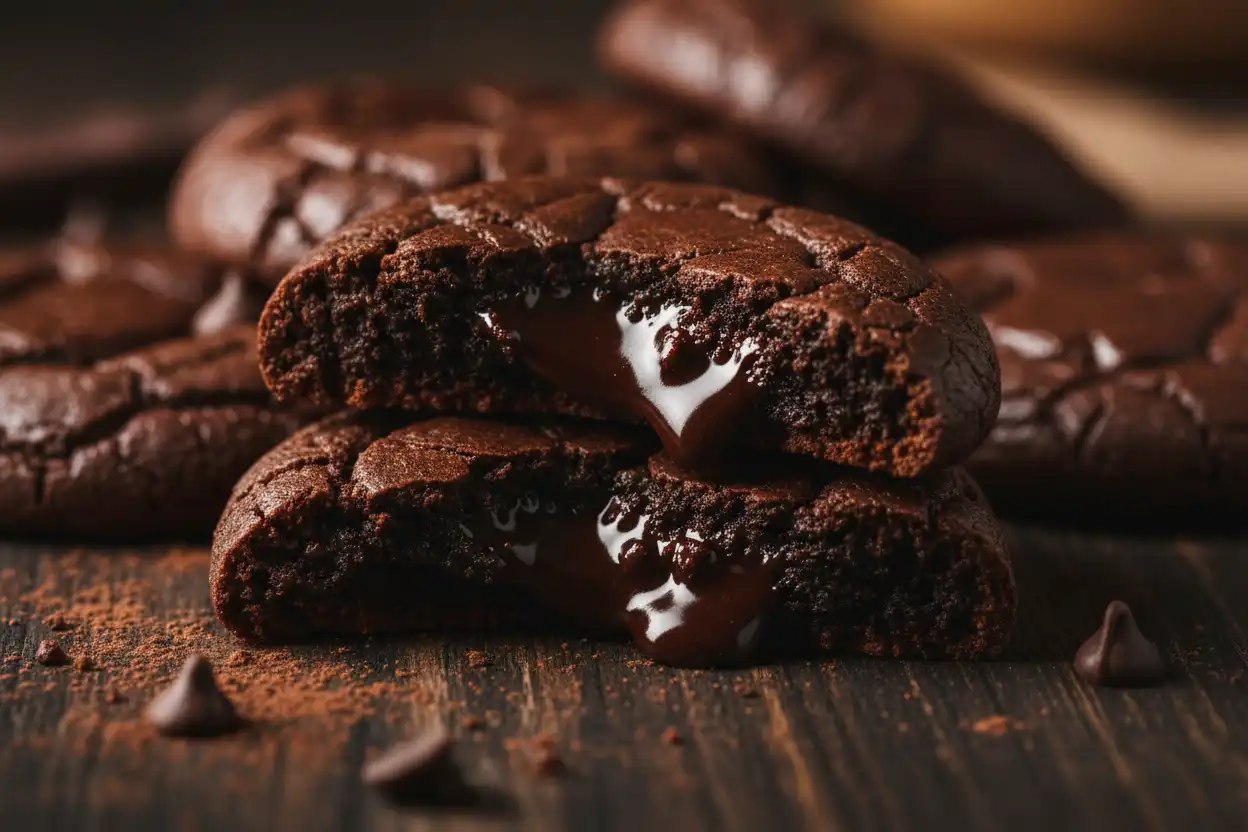
Fudgy cookies are dense, rich, and brownie-like. To create that texture, think about reducing dryness and increasing chocolate intensity.
Helpful techniques include:
- Use melted butter or very soft butter for a denser texture.
- Add an extra egg yolk.
- Increase cocoa slightly, but do not overdo it or the cookies can become dry.
- Use chopped dark chocolate in addition to chips.
- Underbake slightly so the centers stay soft.
- Chill the dough to prevent excessive spreading.
For the most intense fudgy chocolate cookies, press a few extra chocolate pieces onto the tops of the dough balls before baking. This creates glossy pools of chocolate and makes each cookie look more generous.
Oat Flour, Oats, and Coconut Variations
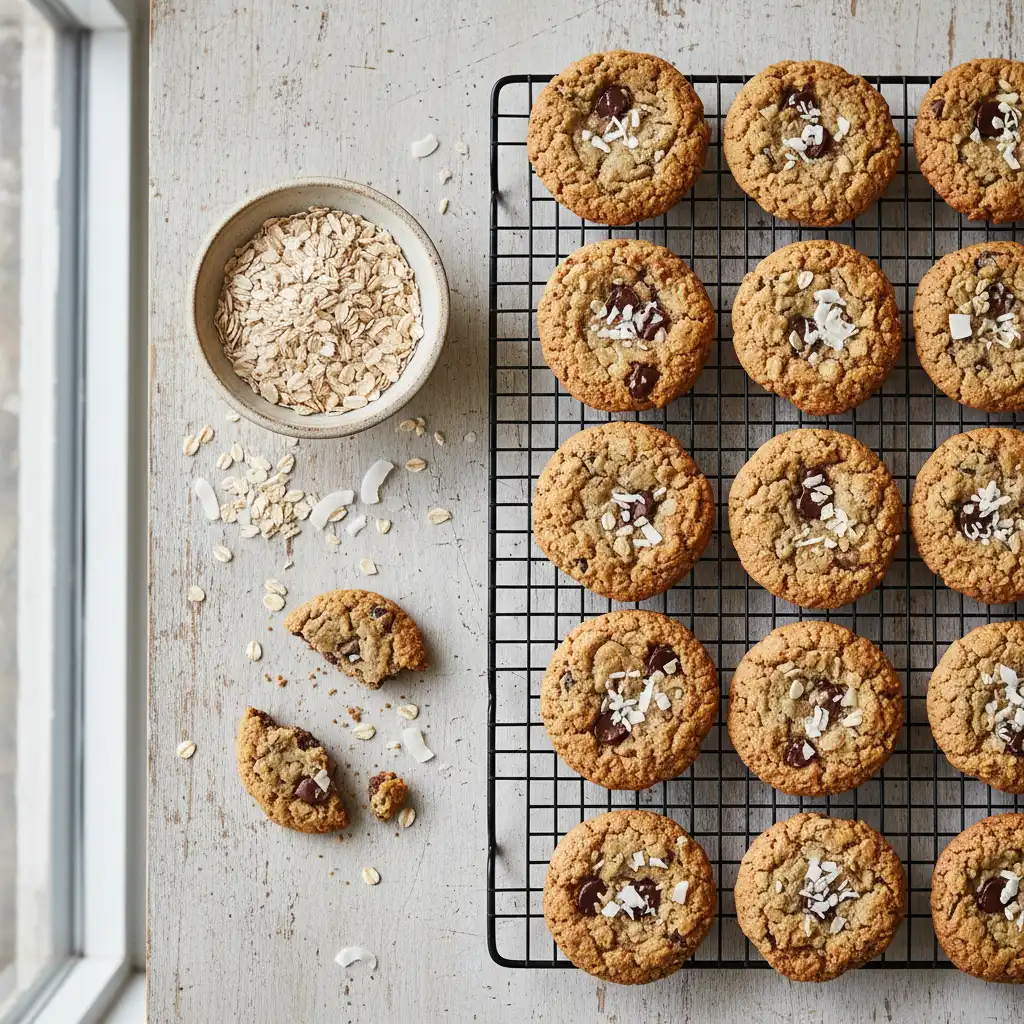
Oats and coconut add texture, flavor, and a more rustic feel. They are especially good when you want a cookie that is still indulgent but a little heartier.
Chocolate Chip Cookies With Oat Flour
Oat flour gives cookies a soft crumb and subtle toasted flavor. Because it behaves differently from wheat flour, it is usually best to replace only part of the all-purpose flour unless you are using a recipe specifically designed for oat flour.
For chocolate chip cookies with oat flour, try replacing a modest portion of the flour with oat flour and letting the dough rest before baking. The rest gives the oat flour time to hydrate, which helps prevent a gritty or crumbly texture.
Chocolate Chip Oatmeal Cookies With Coconut
For chocolate chip oatmeal cookies with coconut, add rolled oats and shredded coconut to the dough along with chocolate chips. Rolled oats provide chew, while coconut adds sweetness and a light tropical note.
Use unsweetened coconut if you prefer better control over sweetness. Sweetened coconut works too, but you may want to reduce the sugar slightly if the dough tastes overly sweet.
Chocolate Chip Cookies With Oats and Coconut
When making chocolate chip cookies with oats and coconut, balance is important. Too many dry mix-ins can make the cookies crumbly. Add oats and coconut gradually, and stop when the dough still looks cohesive and scoopable.
A good dough should hold together when pressed. If it falls apart, it may need a little more moisture or a shorter list of mix-ins.
Classic Mix-In Ideas
Chocolate cookies are easy to customize. Try one or two additions at a time so the dough does not become overloaded.
Great options include:
- Chopped dark chocolate
- Semisweet chocolate chips
- White chocolate chunks
- Toasted pecans or walnuts
- Rolled oats
- Shredded coconut
- Espresso powder for deeper chocolate flavor
- Flaky salt on top
- Mini chocolate chips for more even distribution
If you are making chocolate cookies with chocolate, use both cocoa powder in the dough and chocolate pieces as a mix-in. This gives you chocolate flavor in the base and melted chocolate throughout the cookie.
No-Bake Option for Busy Days
Baked cookies are classic, but no bake cookies with chocolate chips are useful when you want a quick treat without turning on the oven. These are usually made with oats, a chocolate mixture, and a binder such as nut butter or another sticky ingredient.
For best results, let the warm mixture cool slightly before adding chocolate chips. If it is too hot, the chips will melt completely. If you want visible chips throughout the cookies, stir them in once the mixture is warm rather than hot.
No-bake cookies should be portioned onto parchment and chilled until firm. Their texture will be different from baked cookies, but they can still deliver chocolate flavor, chew, and convenience.
Troubleshooting Common Cookie Problems
Cookies Spread Too Much
This usually happens when the butter is too warm, the dough was not chilled, or there is not enough flour. Chill the dough before baking and make sure the baking sheet is cool before adding the next batch.
Cookies Are Dry
Dry cookies often come from too much flour, too much cocoa, or too much time in the oven. Measure carefully and pull the cookies when the centers still look slightly soft.
Cookies Are Too Puffy
Too much flour or overmixing can create a cakier cookie. Try measuring flour more lightly, using a little more brown sugar, or pressing the dough balls slightly before baking.
Cookies Taste Flat
Flat flavor usually needs balance. Add enough salt, use good cocoa, and do not skip vanilla. A small sprinkle of flaky salt after baking can also make the chocolate taste stronger.
Chocolate Chips Sink or Clump
Fold chips in gently and evenly. If using large chunks, reserve a few pieces to press on top of each dough ball before baking. This improves appearance and helps distribute chocolate more evenly.
Storage and Freezing Tips
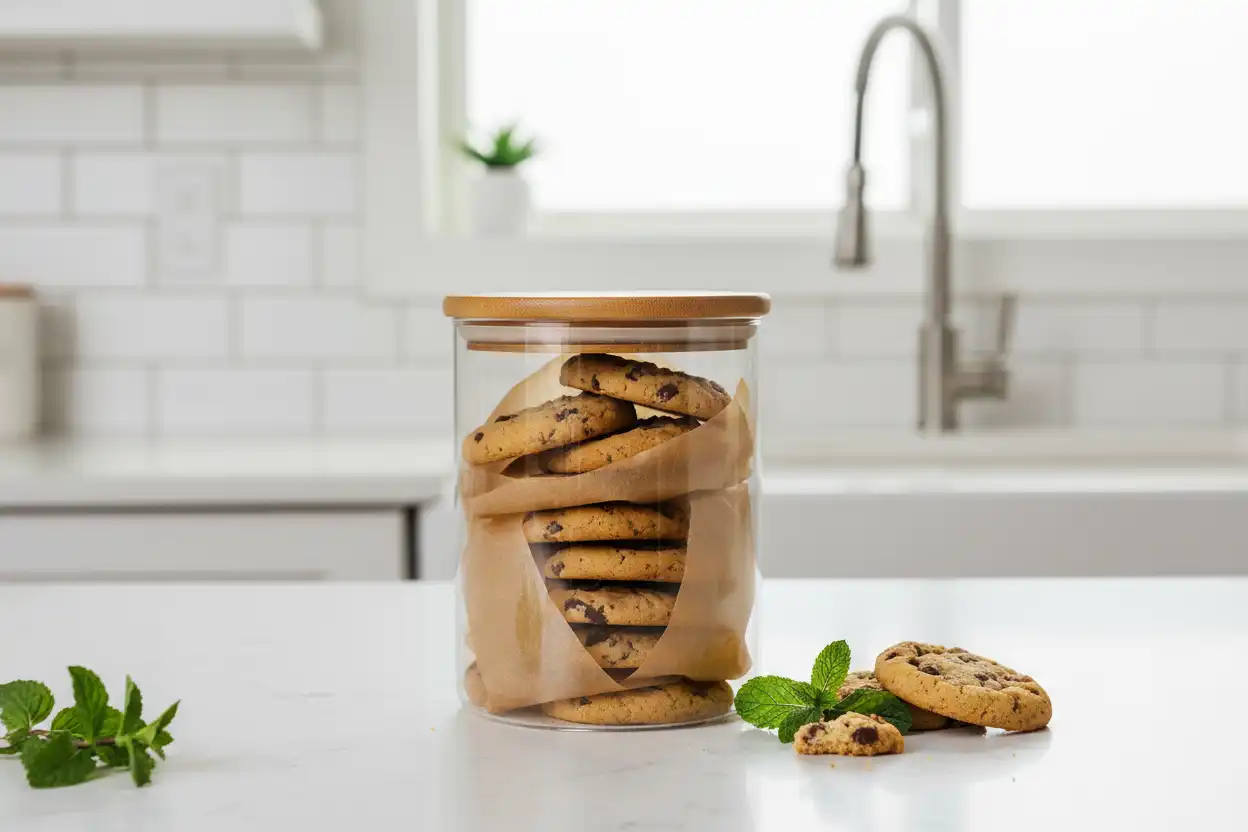
Once cookies are fully cooled, store them in an airtight container at room temperature. Soft cookies stay best when protected from air. If you need to stack them, place parchment between layers to keep chocolate from smearing.
Cookie dough also freezes well. Scoop the dough into balls, freeze them on a tray until firm, then transfer to a freezer-safe container. Bake from frozen when needed, adding a little extra time as necessary. This is one of the easiest ways to have fresh chocolate chip cookies ready without mixing dough from scratch.
Baked cookies can also be frozen. Let them cool completely, wrap well, and thaw at room temperature. For a fresh-baked feel, warm them briefly before serving.
Small Details That Make a Big Difference
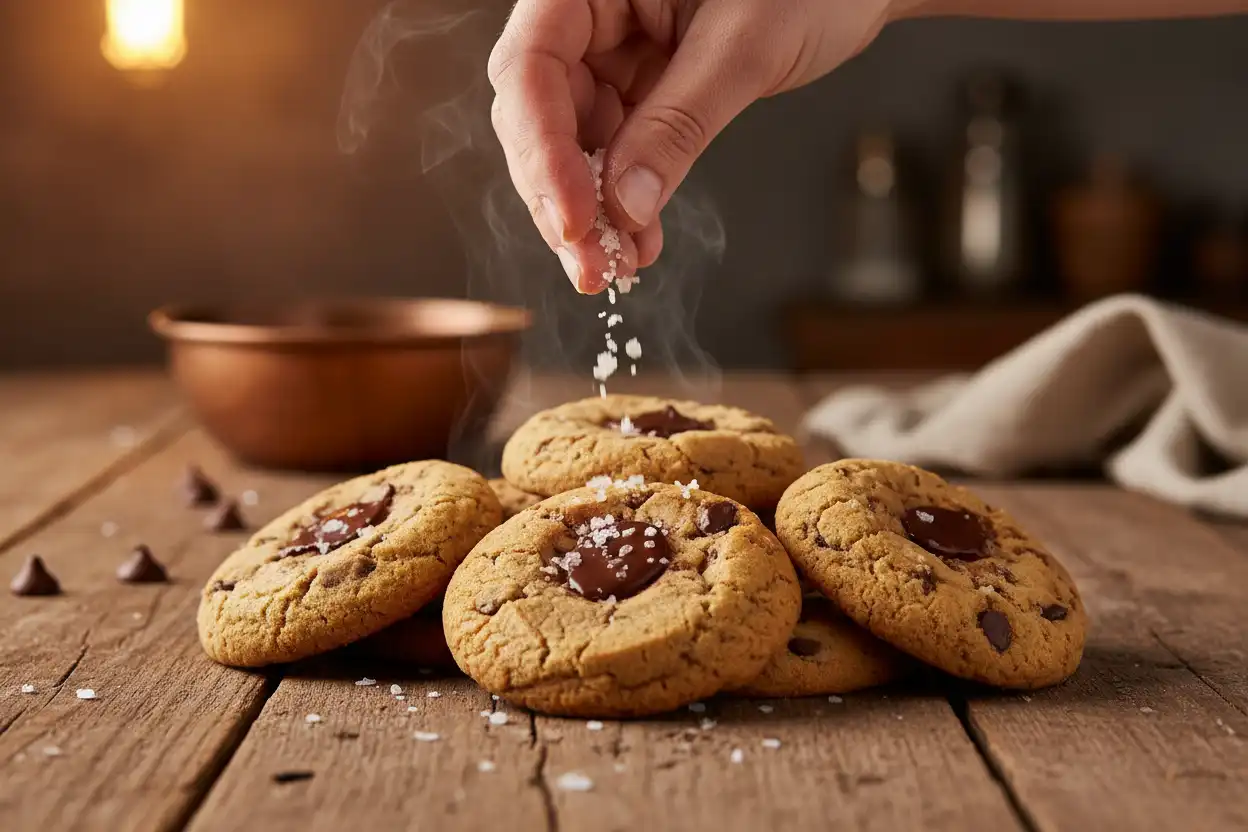
Perfect cookies often come down to finishing touches.
Before baking, press a few extra chocolate chips or chunks on top of each dough ball. After baking, sprinkle lightly with flaky salt. For rounder cookies, use a large round cutter or glass to gently scoot the edges into shape while the cookies are still warm.
Let cookies cool long enough to set, but enjoy at least one while the chocolate is still soft. That contrast between tender cookie and melted chocolate is the reason homemade cookies are worth the effort.
Final Baking Tips
A great chocolate cookie recipe is flexible once you understand the basics. Use brown sugar for chew, avoid overbaking, chill the dough when possible, and choose mix-ins that support the texture you want. Keep the dough balanced, especially when adding oats, coconut, or oat flour.
Whether you are making classic chocolate chip cookies, soft chocolate cookies, chocolate chip oatmeal cookies with coconut, or rich fudgy chocolate cookies, the best results come from careful measuring, patient chilling, and pulling the cookies from the oven at just the right moment.
Master those steps, and every batch becomes easier to customize, repeat, and share.