
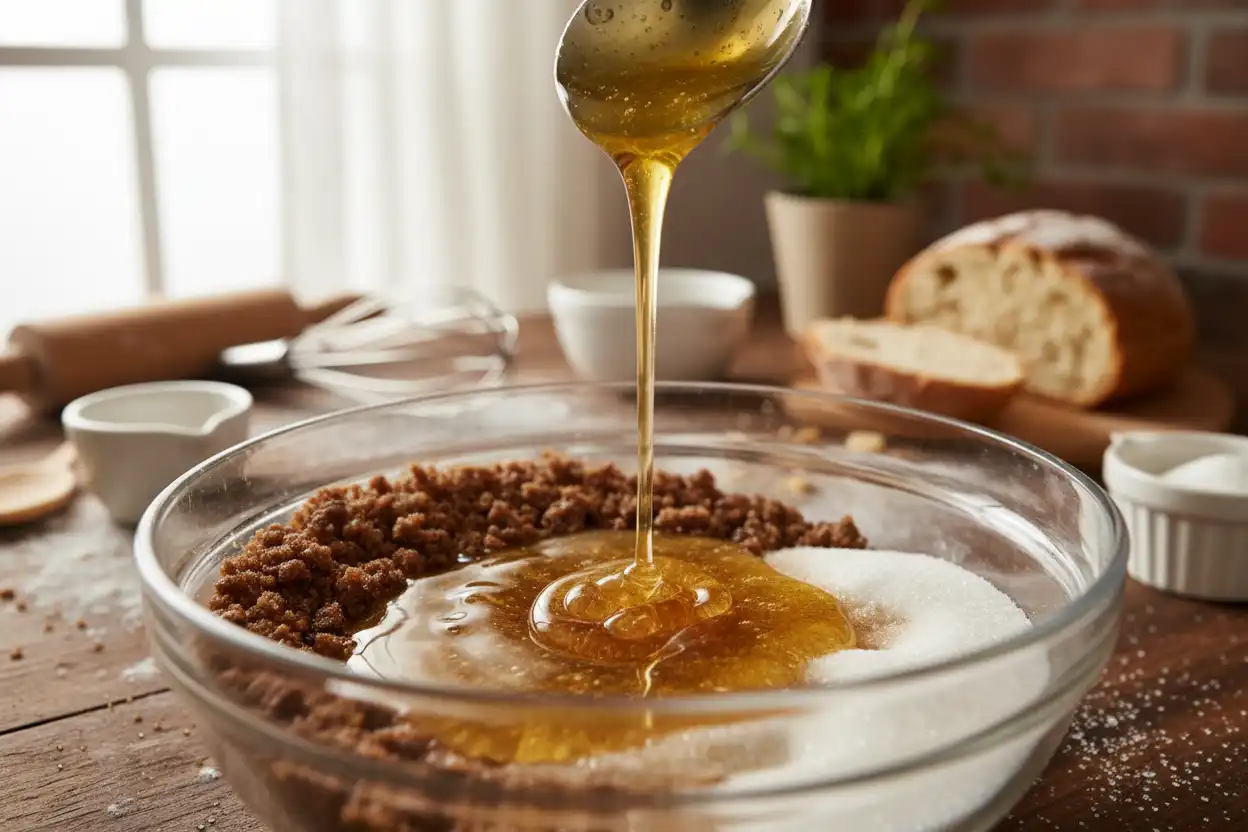
If you have ever pulled a batch of flat, greasy cookies out of the oven, you know the heartbreak of a failed bake. For years, traditional wisdom told us to creaming room-temperature butter with sugar was the only way to go. But when I decided to experiment with melting butter for chocolate chip cookies in my own kitchen, everything changed.
Melting your butter completely alters the structure of your dough, creating a deep caramel-like richness, a dense fudgy center, and those irresistible crisp edges. Let us dive into why this simple tweak will forever upgrade your baking game.
Why Melting Butter Changes Your Cookie Texture
To understand why this technique works so well, we need to look at basic baking science. Butter is an emulsion of roughly 80% milkfat, 16% water, and a small percentage of milk solids.
When you cream solid butter, you trap air bubbles inside the fat structure, giving you a cakey, fluffy cookie. However, when you use liquid melted butter , you eliminate those trapped air pockets. The water in the butter binds immediately with the proteins in the flour, encouraging gluten development .
This process results in a significantly denser, fudger center and a signature chewy texture that mimics your favorite local bakery.
Cold Butter vs. Room Temperature vs. Melted Butter
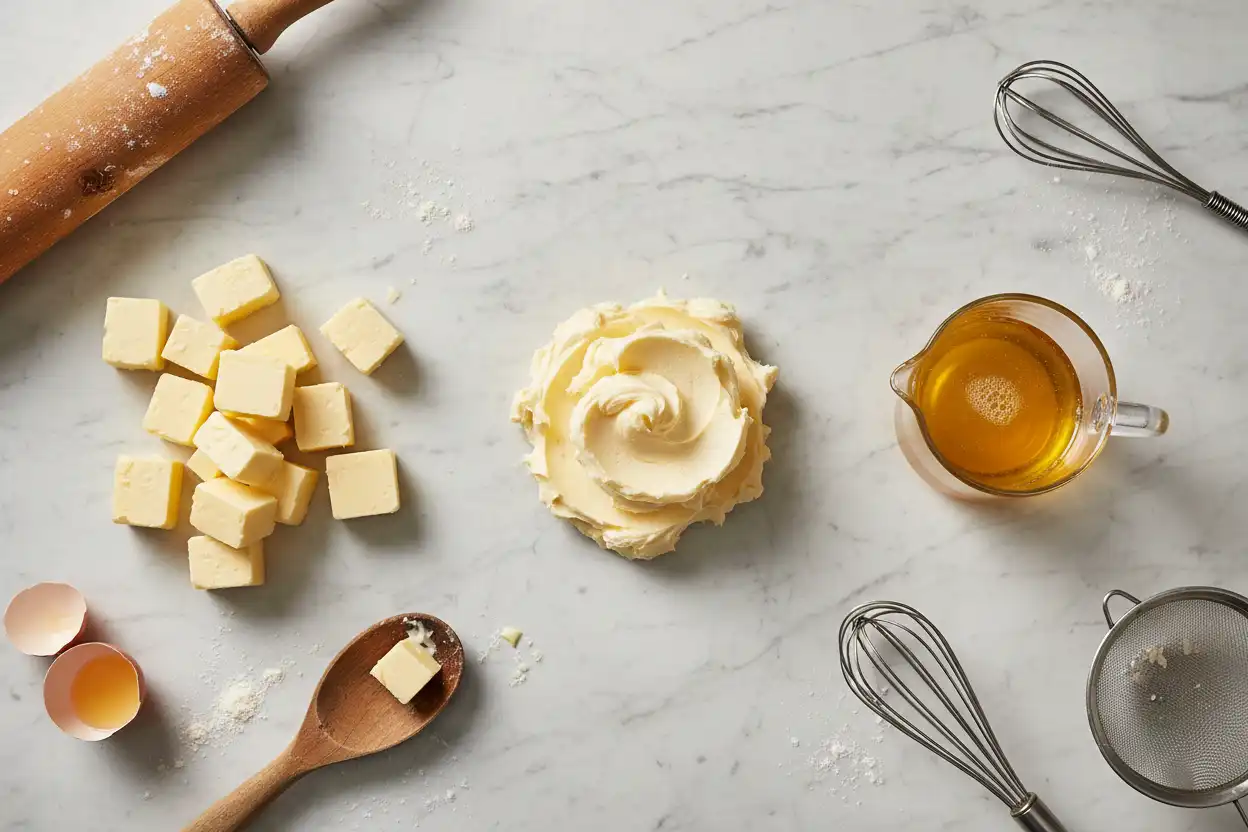
Choosing the right fat state depends entirely on the style of cookie you prefer:
- Cold Butter: Leaves distinct pockets of fat. This yields a thick, tall cookie with flaky layers, similar to a scone or biscuit.
- Room Temperature Butter: Beaten with sugar to trap air. This produces a balanced, traditional cookie with a light, soft crumble.
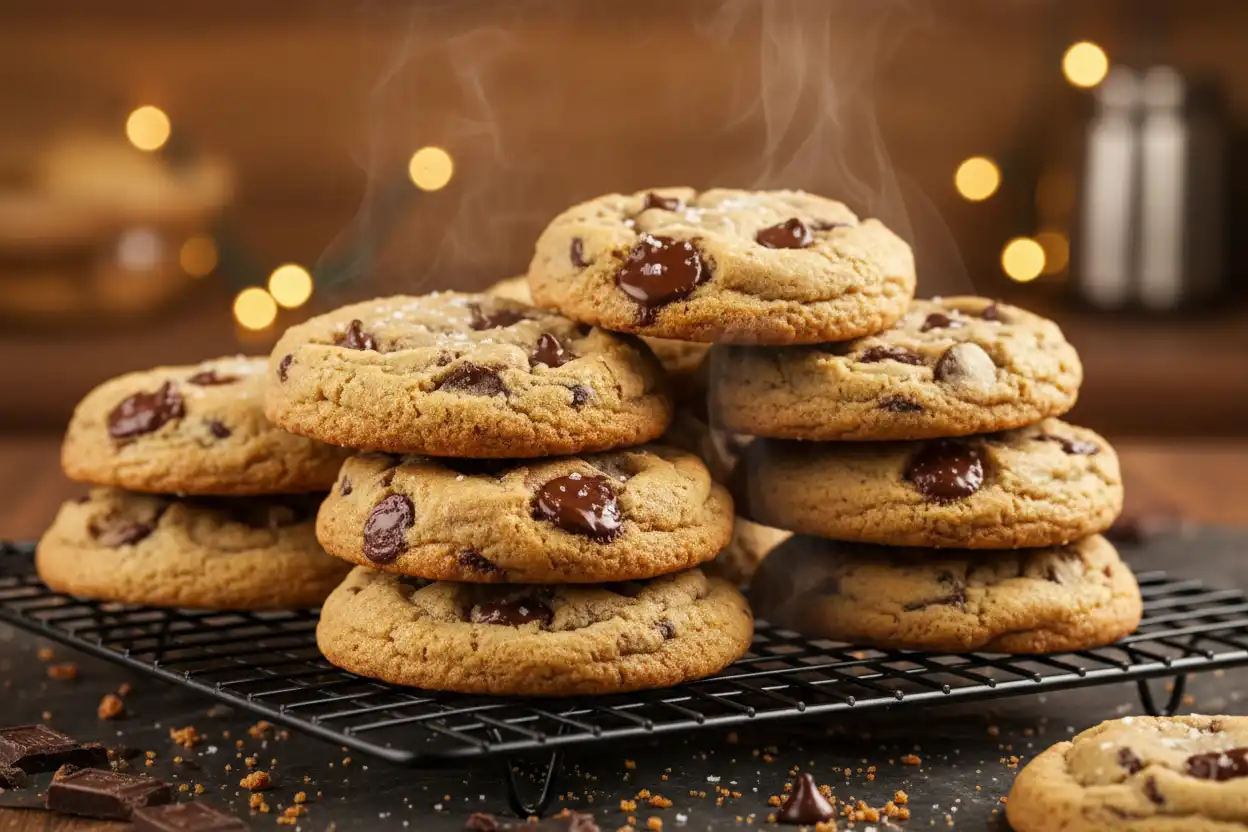
- Melted Butter: Fully releases moisture to hydrate the dry ingredients. This yields a heavy, dense, and ultra-chewy cookie with gorgeous wrinkled tops .
How to Melt Butter Correctly (Without Ruining Your Dough)
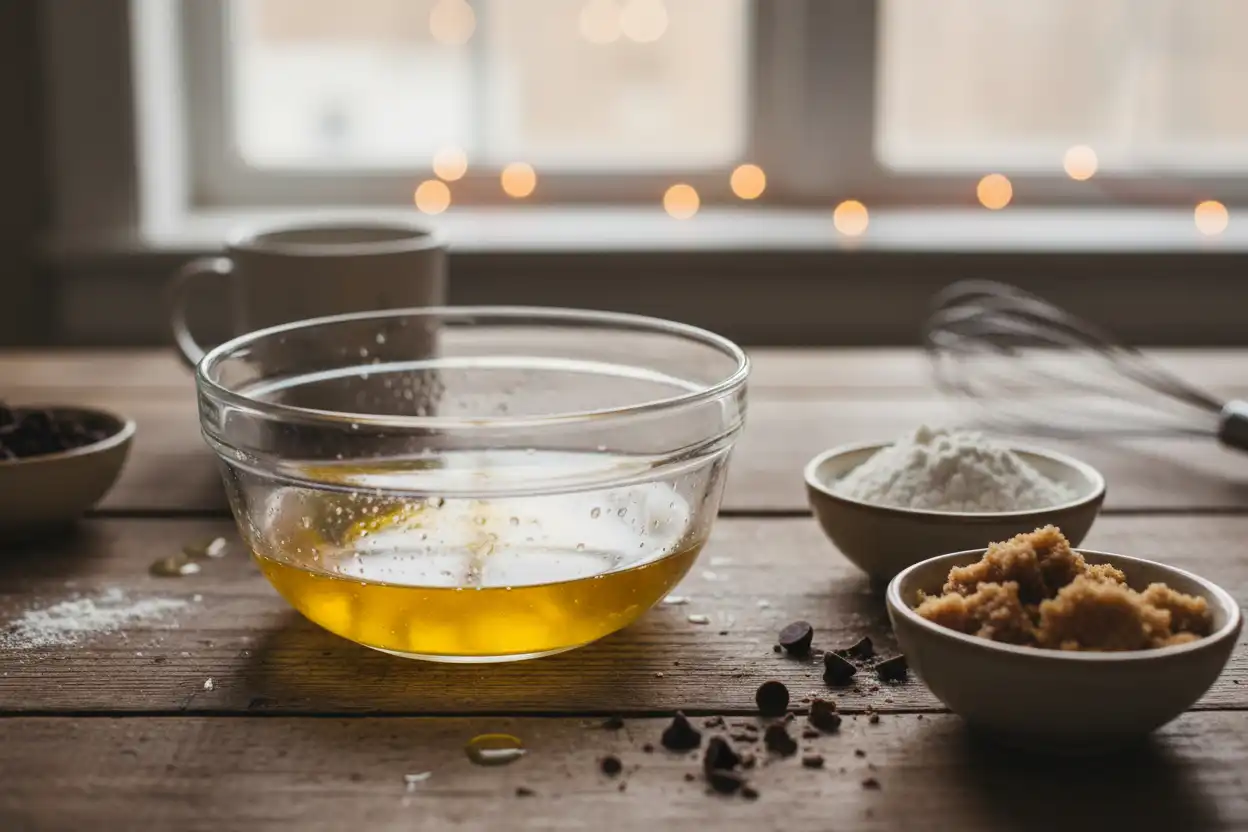
Melting fat seems foolproof, but doing it incorrectly can lead to greasy, spreading dough. Here is my step-by-step method to ensure perfect results:
- Chop the Butter: Slice your butter into uniform, tablespoon-sized cubes so it melts evenly.
- Heat Gently: Place the butter in a microwave-safe glass bowl and heat on medium power in 15-second intervals, or use a small saucepan over low heat on the stovetop.
- Avoid Boiling: You want the butter fully liquefied, not boiling away its water content. Stop heating when a few tiny solid bits remain and stir until smooth.
- Cool Slightly: Crucial Step! Let the liquid butter remain on the counter for 5 to 10 minutes until it is warm to the touch, not piping hot. Pouring scorching butter directly onto eggs will scramble them and melt your chocolate chips prematurely.
The Ultimate Secret: Try Browned Butter (Beurre Noisette)
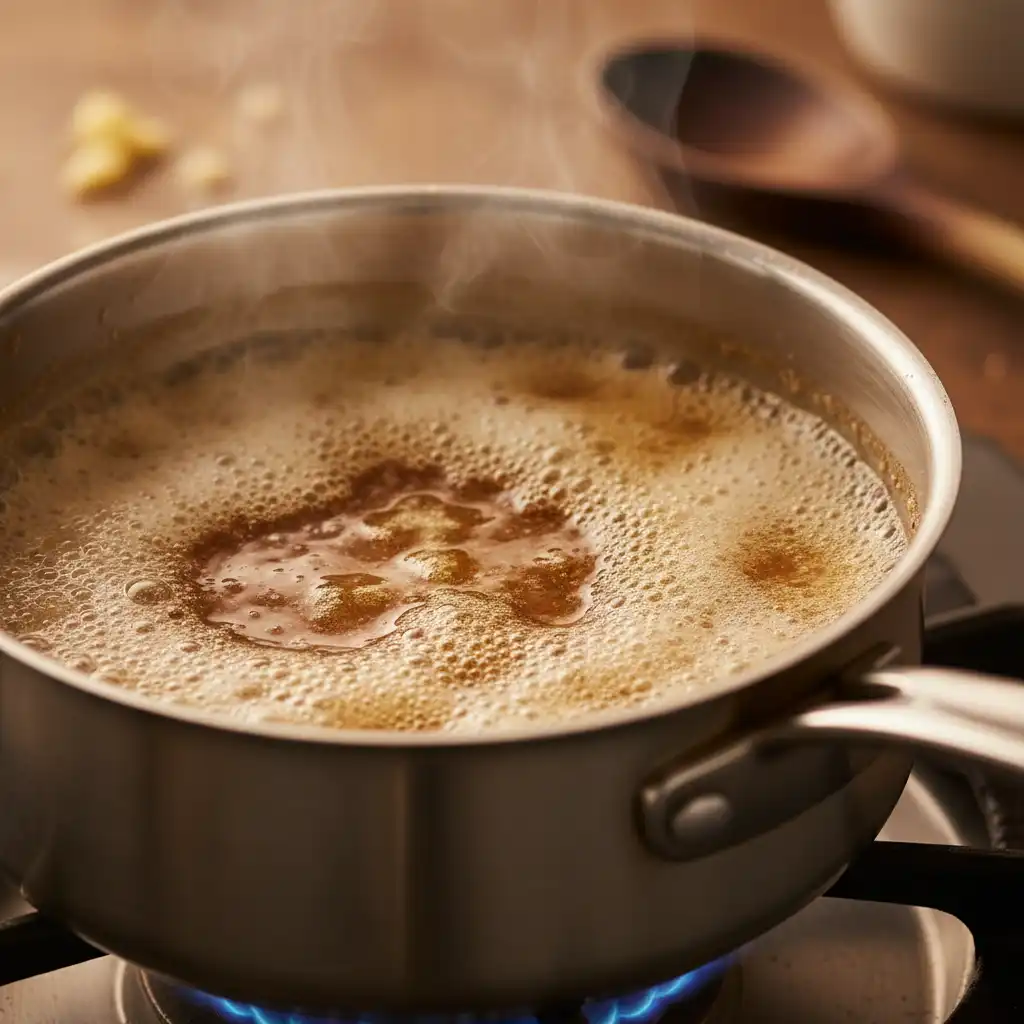
If you want to take melting butter for chocolate chip cookies to an elite level, do not just melt it—brown it!
When you cook melted butter slightly longer over medium-low heat, the water evaporates and the milk solids drop to the bottom of the pan, toasted into a rich golden brown. This process, known as the Maillard reaction , releases a nutty, butterscotch aroma that elevates standard dough into something extraordinary.
Pro-Tip: Because browning butter cooks off about 1 to 2 tablespoons of water, add 1 tablespoon of milk or water back into your wet ingredients to maintain proper dough hydration.
Essential Recipe Adjustments for Melted Butter Cookies
Because melted fat behaves differently than solid fat, you must tweak your base recipe slightly to maintain balance:
- Increase the Brown Sugar: Use a higher ratio of dark brown sugar to granulated white sugar. Brown sugar contains molasses, which adds extra moisture and deepens that chewy caramel notes.
- Add an Extra Egg Yolk: The lecithin in an extra egg yolk acts as a natural emulsifier, helping bind the liquid fat into the dry flour without letting the fat leak out during baking.
- Use Heavy Kitchen Tools: Whisking warm melted butter with sugars by hand using a sturdy stainless steel whisk works far better than an electric hand mixer, which can over-aerate the mixture.
Troubleshooting Common Melted Butter Cookie Problems
Why did my cookies turn out flat and greasy?
This happens when you mix scorching hot melted butter with your sugars and eggs, or if you bake the dough immediately. Hot butter liquefies the sugars and causes the dough to spread too fast in the oven before the structure sets. Always allow the melted butter to cool slightly before mixing.
Why is my dough oily and leaking fat?
If your dough looks slick and oily, the emulsion broke. Fix this by adding 1 to 2 tablespoons of additional flour and placing the entire bowl in the refrigerator for 20 minutes to firm up the fat.
Do I need to chill dough made with melted butter?
Yes, absolutely. Chilling melted butter dough is non-negotiable. Place your dough in the fridge for at least 2 to 4 hours (or up to 24 hours). This allows the flour to fully hydrate and solidifies the melted fat so your cookies bake up thick instead of spreading into a flat puddle.
“If you want to try this method with a real recipe, check out my double chunk chocolate cookies.”
Key Takeaways for Bakery-Style Results
- Melted butter yields a dense, fudgy center with crispy edges by reducing trapped air.
- Cool your melted fat for 5–10 minutes before adding eggs or sugar to prevent a greasy texture.
- Opt for browned butter to infuse deep, nutty, butterscotch flavors into your dough.
- Always chill your dough for at least 2 hours to control spreading and maximize flavor depth.
By mastering this simple technique, you can skip the wait for room-temperature ingredients and bake the rich, chewy chocolate chip cookies of your dreams whenever a craving hits!
## How to Store Cookies Made with Melted Butter
To maintain that perfect chewy texture you worked so hard for, proper storage is everything. Cookies baked with melted butter tend to stay soft longer than those made with creamed butter, but they still need to be protected from drying out. Once your cookies have cooled completely on a cooling rack, transfer them to an airtight container.
Pro-tip: Place a single slice of white bread inside the container with your treats. The cookies will absorb the moisture from the bread, keeping them incredibly soft and fresh for up to a week at room temperature.
Remember, the total amount of butter used in your recipe increases the fat content, meaning these cookies can also be frozen beautifully. If you want to save them for later, wrap individual cookies in plastic wrap and place them in a freezer-safe bag for up to three months. When the craving hits, just let them thaw on the counter for 15 minutes, or pop them in the microwave for 10 seconds for that fresh-out-of-the-oven experience.