
Featured Snippet: What Are Chessman Cookies?
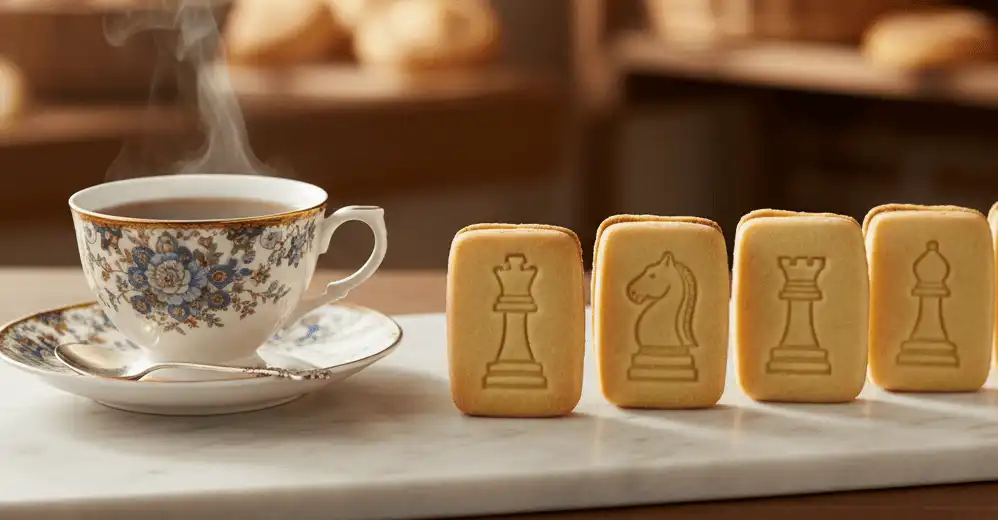
Chessman cookies (officially branded as Pepperidge Farm Chessmen) are classic American commercial shortbread cookies renowned for their rich butter flavor and tender, melt-in-the-mouth texture. Each rectangular cookie features an embossed chess piece graphic, traditionally including the king, queen, rook, bishop, knight, and pawn.
Unlike hard, crumbly traditional Scottish shortbread, Chessmen balance butterfat, unbleached wheat flour, and whole eggs to create a velvety crumb with a golden baked top. They are popular as standalone tea biscuits and serve as the foundational crust or topping for layered desserts such as southern banana pudding and cheesecakes.
- Primary Flavor: Sweet cream butter with subtle vanilla and caramelized sugar notes.
- Texture: Crisp initial snap yielding to a silky, dissolve-on-the-tongue crumb.
- Signature Aesthetic: Precise chess piece relief stamping on a pale golden biscuit.
Packaged cookies often prioritize extended shelf stability over premium ingredients, but Pepperidge Farm Chessmen have maintained their reputation for decades. Their distinct yellow and white fluted paper cups hold a treat that bridges European baking traditions with American pantry convenience.
Whether you enjoy them straight from the white paper sack alongside afternoon tea, or you use them to line the dish of an elaborate icebox trifle, understanding how these cookies are formulated elevates your appreciation and your baking. This guide explores their origins, ingredient science, practical grocery shopping advice, and professional culinary techniques to make the most of every box.
The History and Origin of Pepperidge Farm Chessmen
Pepperidge Farm began during the Great Depression in Fairfield, Connecticut, founded by Margaret Rudkin in 1937. Rudkin started baking preservative-free whole wheat bread to help manage her son’s severe allergies and asthma, prioritizing wholesome, uncompromised ingredients.
Her home kitchen enterprise expanded into a commercial bakery due to word-of-mouth demand and glowing coverage from regional grocers. By the late 1940s and early 1950s, Rudkin sought to broaden the brand beyond sliced sandwich loaves into premium European-style baked goods.
The European Distinctive Cookie Line
During a tour of Europe in the 1950s, Margaret Rudkin discovered refined biscuits, puff pastries, and delicate butter wafers. She purchased the rights to produce several traditional continental recipes, which led to the Pepperidge Farm “Distinctive Cookies” line.
Named after historic European cities, cookies like Milano, Brussels, Geneva, and Bordeaux appeared on store shelves. Chessmen debuted alongside these international varieties, drawing aesthetic and culinary inspiration from classic English butter biscuits and Dutch sprits cookies.
Why Chess Pieces?
The decision to emboss chess figures onto the dough was both visual and functional. In mid-century commercial baking, plain square biscuits were viewed as utilitarian crackers rather than luxury treats.
Imprinting the heraldic designs of kings, queens, knights, rooks, pawns, and bishops gave the brand an upscale, intellectual aesthetic. The embossing die also slightly compresses portions of the dough, creating structural variations that produce subtle micro-textures across the surface when baked.
Today, Pepperidge Farm operates under the Campbell Soup Company, which acquired the bakery in 1961. Despite large-scale manufacturing advancements, the core formula and iconic chess iconography have remained virtually unchanged for over sixty years.
Sensory Profile: Flavor, Texture, and Craftsmanship
To understand why Chessmen succeed where many commercial butter cookies fail, one must examine their sensory dynamics. The cookie delivers an immediate burst of sweet dairy fat tempered by a low level of residual salt.
The aroma when opening a fresh foil-lined sleeve is clean and reminiscent of toasted cream and warm bakery flour. Artificial vanillin does not overpower the natural butter notes, which prevents the cloying aftertaste common in lower-cost butter cookies.
Texture and Mouthfeel
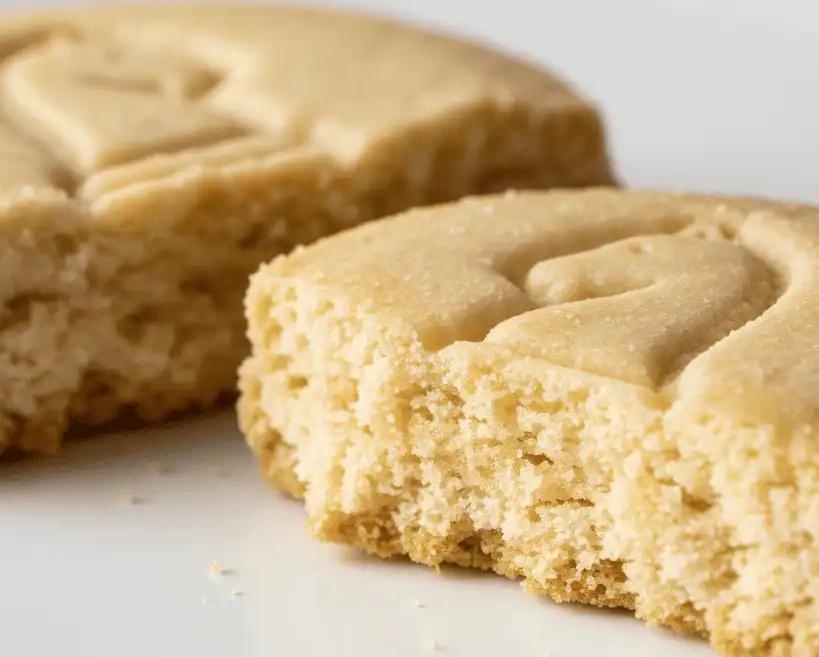
The texture of a Chessman cookie sits between a French sable and a traditional Scottish shortbread. Scottish shortbread relies solely on flour, butter, and sugar, which yields a dense, crumbly, sometimes sandy bite.
Chessmen include egg in the emulsion, which alters the crumb structure entirely. The egg proteins bind the starch granules, producing a firm initial snap that quickly emulsifies into a smooth paste upon contact with saliva.
This rapid breakdown makes the cookie popular for dessert assembly. When introduced to moisture from custards or whipped cream, the cookie softens uniformly without turning into gelatinous mush.
Ingredients, Allergen Information, and Nutritional Breakdown
The ingredient list for Chessmen reflects a restrained approach to commercial baking. While modern production requires natural emulsifiers for industrial packaging, the core components remain dairy-forward.
Pepperidge Farm lists unbleached enriched wheat flour as the primary ingredient, followed immediately by real butter made from sweet cream. Granulated sugar provides sweetness and crispness, while whole eggs contribute fat, leavening stability, and structure.
Full Ingredient List Analysis
- Unbleached Enriched Wheat Flour: Flour enriched with niacin, reduced iron, thiamine mononitrate, riboflavin, and folic acid. Unbleached flour preserves natural wheat proteins for a cleaner mouthfeel.
- Butter (Milk): Sweet cream butter provides 100% of the primary baking fat. No hydrogenated vegetable shortening or palm kernel oils are used in the core recipe.
- Sugar: Standard granulated beet or cane sugar that caramelizes lightly along the perimeter during baking.
- Whole Eggs: Adds moisture, structural cohesion, and natural emulsifiers via yolk lecithin.
- Contains 2% or Less Of: Salt, leavening (baking soda), soy lecithin (emulsifier), and natural flavors.
Nutritional Facts per Standard Serving
The standard reference serving size established by the manufacturer is 3 cookies (approximately 35 grams). The nutritional data below reflects the baseline profile for standard Pepperidge Farm Chessmen.
- Calories: 120 kcal
- Total Fat: 5g (6% Daily Value)
- Saturated Fat: 3g (15% Daily Value)
- Trans Fat: 0g
- Cholesterol: 15mg (5% Daily Value)
- Sodium: 105mg (5% Daily Value)
- Total Carbohydrates: 18g (7% Daily Value)
- Dietary Fiber: 0g (0% Daily Value)
- Total Sugars: 5g
- Protein: 2g
Allergen Profiles and Dietary Suitability
Chessmen contain wheat, milk, egg, and soy ingredients. Individuals with celiac disease, non-celiac gluten sensitivity, or severe dairy allergies must avoid standard Chessmen cookies.
The product carries a certified Kosher Dairy (OU-D) designation, making it suitable for kosher diets observing dairy meals. They do not contain animal lard or gelatin, but they are unsuitable for strict vegans due to the butter and egg content.
Package Sizes, Retail Formats, and Buying Guide
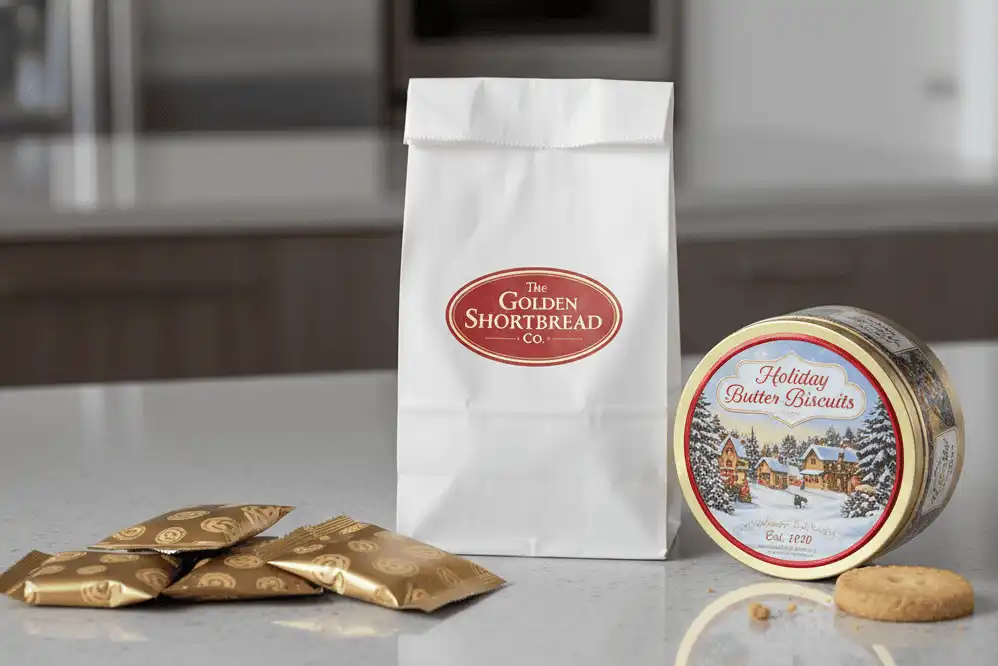
Navigating the supermarket aisle for Chessmen requires understanding Pepperidge Farm’s signature packaging format. Unlike cookies sold in plastic trays within heat-sealed bags, Chessmen use a paper bag system.
The outer container is a pleated, moisture-resistant white paper bag featuring the classic Pepperidge Farm crest and an illustration of the cookies. Inside, the cookies are stacked within brown or white fluted greaseproof paper cups, protected by a thin wax-foil composite liner.
Available Sizes and Formats
- Standard Retail Bag (7.25 oz / 206g): Contains 24 cookies divided across three paper cups (8 cookies per stack). This is the most common format found in grocery chains.
- Mini Chessmen Multipack: Typically sold in boxes of 4 to 6 individual 1.0-ounce grab-and-go foil pouches. These feature miniature versions of the chess pieces and are tailored for school lunchboxes.
- Club Store Multi-Packs: Big-box wholesalers occasionally stock twin-packs or three-packs of the standard 7.25 oz bags at a lower per-ounce price.
- Seasonal Holiday Tins: Released during the winter holiday season, these collectible metal tins contain larger volumes of cookies, often featuring holiday-themed seasonal embossings alongside traditional chess pieces.
Where to Buy and Price Expectations
Chessmen are widely available across North America in national supermarket chains including Kroger, Safeway, Publix, H-E-B, Meijer, Target, and Walmart. They are stocked in the commercial cookie aisle, typically on upper shelves reserved for specialty and premium brands.
Prices for the standard 7.25 oz bag generally range from $3.99 to $5.49 depending on regional market factors and retailer tier. When sourcing cookies for large-scale baking projects like sheet-pan banana puddings, purchasing in bulk from club warehouses or big-box retailers offers substantial savings.
Chessmen vs. Competing Butter Cookies: Head-to-Head Comparison
Shoppers often confuse Chessmen with other pale, crisp shelf-stable cookies. While they share shelf space with vanilla wafers and foreign shortbread tins, their structural and flavor profiles serve distinct culinary purposes.
| Brand / Cookie | Primary Fat | Texture Style | Sugar / Serving | Ideal Culinary Use |
|---|---|---|---|---|
| Pepperidge Farm Chessmen | Real Sweet Cream Butter | Tender crumb, silky melt | 5g (per 35g) | Puddings, cheesecake crusts, tea service |
| Nabisco Nilla Wafers | Soybean / Palm Oil | Airy, crisp, porous | 11g (per 30g) | Traditional quick banana pudding |
| Nabisco Lorna Doone | Canola / Palm Oil (Blend) | Dense, gritty, sturdy | 9g (per 29g) | Coffee dipping, fruit dip scooping |
| Walkers Pure Shortbread | Cultured Butter | Heavy, crumbly, snap | 5g (per 31g) | Stand-alone indulgence, whiskey pairing |
| Royal Dansk Butter Cookies | Butter (Danish style) | Light, sandy, dry | 7g (per 30g) | Afternoon tea, coffee breaks |
Compared to Nilla Wafers, Chessmen have less than half the sugar per ounce and use real dairy butter rather than processed vegetable shortening. This produces a cleaner dessert profile that prevents excess sweetness from dulling the flavors of fresh fruit and custard.
Against Scottish options like Walkers, Chessmen are significantly more tender and less dense. This makes them easier to cut through with a dessert spoon when layered into chilled, moisture-rich parfaits.
Baking Applications: Transforming Chessmen into Showstopper Desserts
Professional pastry chefs and home bakers turn to Chessmen cookies when they need a reliable, high-fat dry base for structured confections. Because the butter content is standardized during manufacturing, the cookies perform consistently in recipes.
Crushing Chessmen produces a crust material with superior structural cohesion compared to standard graham crackers. The higher butterfat content means you require less added melted butter to bind the crust for a tart or springform pan.
Cheesecake and Tart Crust Substitution Ratios
When substituting crushed Chessmen for standard graham cracker crumbs, adjust your binding liquid to account for the butter already present in the cookies. A typical 9-inch springform cheesecake requires the following balanced ratio:
- Crushed Chessmen Crumbs: 200 grams (approximately 1 standard 7.25 oz bag, pulsed into coarse meal).
- Melted Unsalted Butter: 42 grams (3 tablespoons), reduced from the standard 5-6 tablespoons used for graham crackers.
- Fine Sea Salt: 1/4 teaspoon (to balance sweetness and cut through cream cheese richness).
Bake this crust at 350°F (177°C) for 8 to 10 minutes until aromatic and set. Allow it to cool completely before pouring in your cheesecake batter or unbaked chiffon fillings.
The Famous Chessmen Banana Pudding Recipe
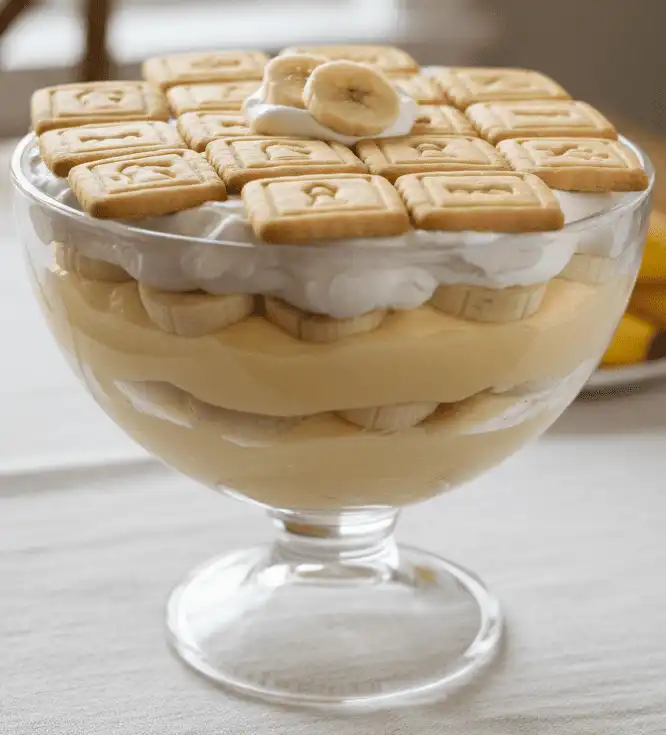
The most famous modern use of Chessmen cookies is as an elevated substitute for vanilla wafers in layered southern banana pudding. Made popular across social media and modern Southern kitchens, this variation uses a stabilized cream cheese pudding foundation topped with whole, pristine Chessmen cookies.
Ultimate Chessmen Southern Banana Pudding
Prep Time: 25 minutes | Chill Time: 4 hours (or overnight) | Yield: 12 servings
Ingredients:
- 2 bags (7.25 oz each) Pepperidge Farm Chessmen cookies
- 6 to 8 medium-ripe bananas, sliced into 1/4-inch rounds
- 1 package (8 oz / 226g) block cream cheese, softened to room temperature
- 1 can (14 oz / 396g) sweetened condensed milk
- 1 package (5.1 oz / 144g) instant French vanilla pudding mix
- 2 cups (480ml) cold whole milk
- 1 cup (240ml) heavy whipping cream (or 1 tub 8 oz whipped topping)
- 1 teaspoon pure vanilla extract
- 1 tablespoon fresh lemon juice (to preserve banana color)
Preparation Steps:
- Prepare the Pan: Line the bottom of a 13×9-inch baking dish with a single layer of whole Chessmen cookies, flat side down. Set aside the most visually intact cookies from the second bag for the top presentation layer.
- Toss the Bananas: In a bowl, gently toss sliced bananas with lemon juice. Arrange half of the banana slices evenly over the bottom cookie foundation.
- Emulsify the Base: In a large mixing bowl, beat softened cream cheese until smooth and free of lumps. Slowly pour in sweetened condensed milk, beating continuously until a silky emulsion forms.
- Whisk the Pudding: In a separate bowl, whisk together the French vanilla instant pudding mix and cold milk for two minutes until it begins to thicken. Fold the thickened pudding into the cream cheese mixture.
- Incorporate Cream: Whip heavy cream with vanilla extract to stiff peaks, then gently fold into the pudding mixture using a silicone spatula.
- Layer: Pour half of the creamy mixture over the bananas in the dish. Add another layer of remaining bananas, followed by the remaining pudding mixture.
- Top: Arrange the reserved Chessmen cookies flat across the top surface, embossed figures facing up, in neat, aligned rows.
- Chill: Cover tightly with plastic wrap and refrigerate for a minimum of 4 hours, or overnight, before serving.
The moisture from the pudding softens the lower layer of cookies into a sponge-cake-like texture. The cookies on top absorb just enough moisture from below to yield smoothly under a spoon while retaining their crisp appearance.
Step-by-Step Scratch-Made Copycat Chessman Cookie Recipe
If you live outside North America or prefer baking from scratch, making a true copycat Chessman cookie requires understanding ingredient temperature and dough hydration. The goal is a biscuit that keeps crisp embossed details during baking without spreading across the sheet.
What You Need
- 225g (1 cup / 2 sticks) high-fat unsalted European butter, cool room temperature (65°F / 18°C)
- 120g (1 cup) powdered confectioners’ sugar (sifted)
- 1 large egg yolk (room temperature)
- 1 teaspoon pure vanilla bean paste or extract
- 1/2 teaspoon fine sea salt
- 300g (2 1/2 cups) unbleached all-purpose flour
- 30g (1/4 cup) cornstarch (arrowroot can substitute)
Why These Ingredients Work
Using confectioners’ sugar instead of granulated sugar is critical. Powdered sugar contains finely pulverized sucrose alongside a small percentage of cornstarch, which limits gluten development and prevents excessive dough spread.
The combination of all-purpose flour and cornstarch mimics low-protein pastry flour. This deliberate protein reduction guarantees the signature tender bite while maintaining enough tensile strength to hold sharp embossed edges.
How to Execute the Recipe
Cream Butter and Sugar: Combine cool butter and sifted powdered sugar in the bowl of a stand mixer fitted with the paddle attachment. Cream on medium-low speed for 2 minutes until combined and smooth. Do not over-whip; incorporating excess air will cause the cookies to puff and lose their embossed relief in the oven.
Add Liquids: Scrape down the bowl. Add the room-temperature egg yolk, vanilla paste, and fine sea salt. Mix on low speed until fully emulsified.
Incorporate Dry Ingredients: Whisk together all-purpose flour and cornstarch. Add to the butter mixture in two additions, pulsing on low speed until a shaggy dough forms. Turn the dough onto a clean surface and press it into a cohesive rectangular slab using your hands.
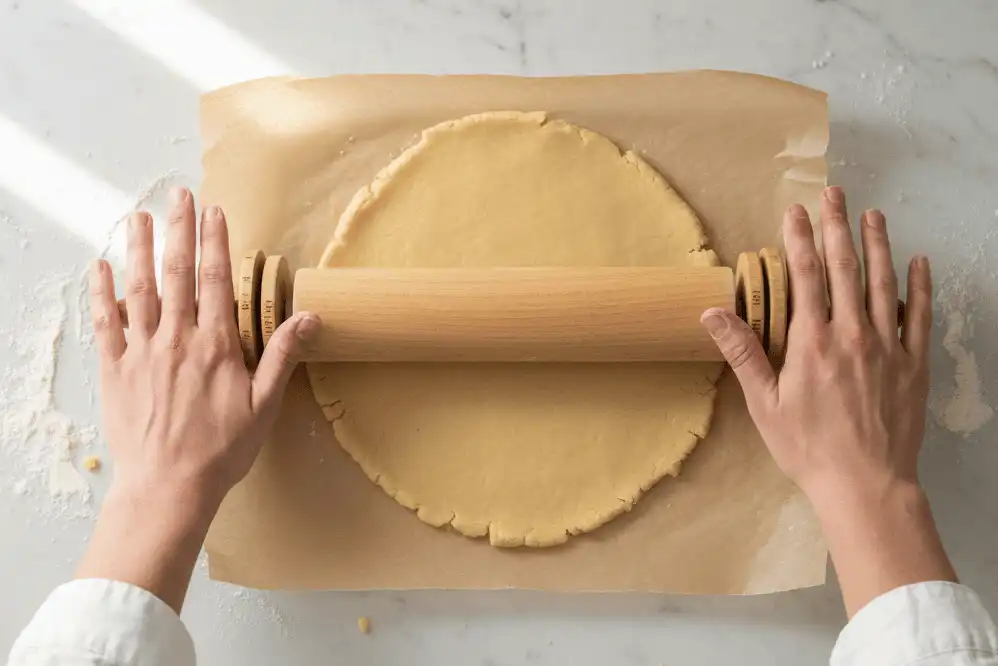
Chill Thoroughly: Roll the dough between two sheets of parchment paper to an even 1/4-inch (6mm) thickness. Slide the parchment-lined slab onto a baking sheet and refrigerate for at least 60 minutes until firm.
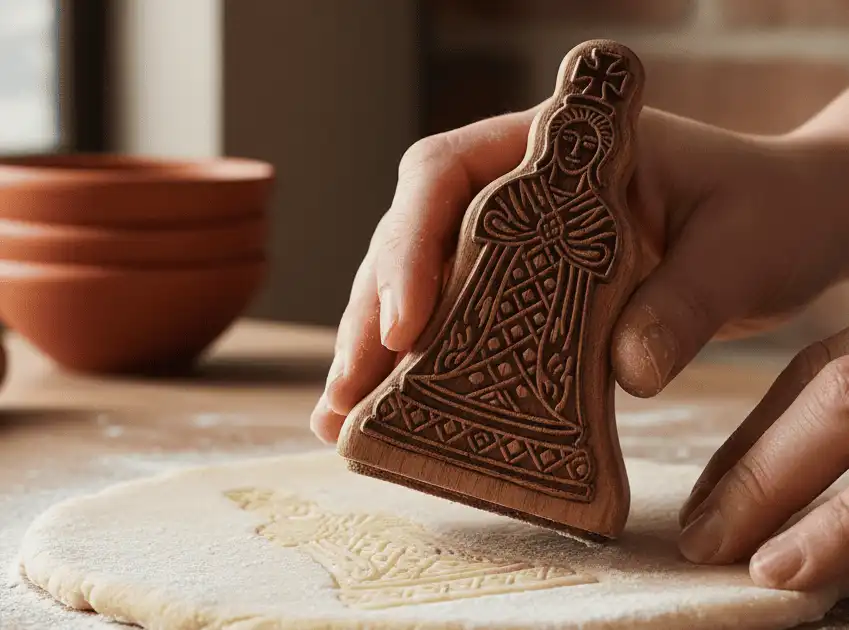
Stamp and Cut: Remove the top parchment sheet. Dust the dough lightly with cornstarch. Press your chess-themed cookie stamps or textured rolling pin firmly and evenly into the surface. Cut into 2×1.5-inch rectangles using a fluted pastry wheel or rectangular cutter.
Freeze Before Baking: Transfer the cut cookies to a parchment-lined baking sheet, leaving 1 inch between pieces. Place the entire baking sheet into the freezer for 15 minutes. This step solidifies the butterfat, ensuring clean, sharp stamped details during baking.
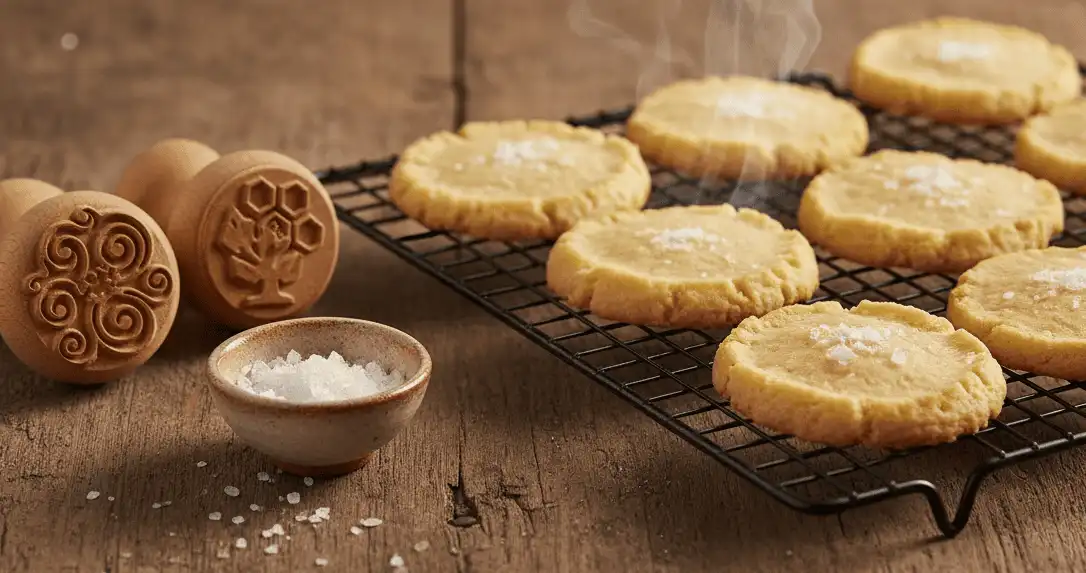
Bake: Bake at 325°F (163°C) for 14 to 16 minutes. The cookies should remain pale on top with light golden browning along the bottom edge. Cool completely on the sheet for 10 minutes before transferring to a wire rack.
Expert Culinary Tips for Working with Butter Shortbread
Working with high-butterfat doughs requires managing temperature and ambient humidity. Professional bakers use several distinct techniques to preserve the integrity of shortbread biscuits.
If your dough becomes warm during the cutting phase, return it to the refrigerator immediately. Handling soft butter dough melts the fat crystals, leading to tough cookies that leak butter pools onto your baking parchment.
Advanced Plating and Serving Pairings
Chessmen make an exceptional accompaniment to warm beverages and dessert wines. Their moderate sweetness and rich dairy profile provide a clean canvas for complex, bitter, or tannic beverages.
- Beverage Pairings: Pair with an astringent, high-tannin Earl Grey tea or a dark French roast pour-over coffee. The dairy fats in the cookie cut through the tea’s bergamot oil and the coffee’s roasted bitterness.
- Dessert Wine Pairings: Serve alongside a 10-year Tawny Port or an chilled glass of Pedro Ximenez sherry. The dried fruit and nutty undertones of the fortified wine complement the toasted butter notes in the cookie.
- The Ice Cream Sandwich Technique: Spread softened espresso bean gelato or salted caramel ice cream between two Chessmen cookies. Freeze for 30 minutes, then dip half of the assembly in tempered bittersweet dark chocolate.
Common Mistakes to Avoid
Whether you are baking copycat cookies from scratch or using boxed Pepperidge Farm Chessmen in a dessert, watch out for these frequent mistakes.
Over-whipping Butter and Sugar: Incorporating too much air during the creaming stage introduces trapped air bubbles. When exposed to oven heat, these air pockets expand and collapse, warping the flat top surface and erasing embossed chess markings.
Using Warm Cream Cheese in Layered Puddings: When preparing the pudding base for trifles, ensure the cream cheese is at a pliable room temperature (68°F to 70°F), but never microwaved hot. Blending warm cream cheese with cold milk causes the dairy fats to seize, creating unappealing white flecks throughout the dessert.
Slicing Bananas Too Thick: Bananas cut thicker than 1/4 inch release excessive moisture as they sit in the pudding. This excess liquid pools over time, making the bottom cookie base unpleasantly soggy rather than cake-like.
Best Practices for Storage and Freshness
Because real butter has a delicate lipid structure susceptible to rancidity, store your Chessmen cookies thoughtfully once you open the packaging. Commercial bags use an inner foil barrier, but once unsealed, the cookies absorb ambient kitchen odors and atmospheric moisture.
Fold down the top of the opened paper bag and seal it tightly with a bag clip. For storage longer than three days, transfer the cookies along with their protective paper fluted cups into an airtight glass or metal container.
Store the container in a cool, dry pantry away from direct heat sources like your stovetop or refrigerator exhaust. Unopened bags stored below 70°F (21°C) retain peak freshness until the printed manufacturer expiration date, usually 6 to 9 months from packaging.
Can You Freeze Chessmen Cookies?
You can freeze both commercially purchased Chessmen and homemade copycats. Place the baked cookies in a single layer on a parchment-lined baking sheet and freeze for 1 hour until solid.
Transfer the frozen cookies into an airtight container, placing sheets of wax paper between each layer to prevent sticking. Thaw them at room temperature for 20 minutes before serving. Avoid thawing them inside a sealed container, as trapped condensation can soften their crisp surface.
Recommended Baking Tools and Resources
Recreating the precise texture and visual detail of Chessmen at home requires a few specialized baking tools. Standard rolling pins and kitchen glasses will not achieve the proper thickness and detail.
- Adjustable Rolling Pin: A rolling pin equipped with removable thickness guide rings ensures the dough slab is uniformly 1/4-inch thick from edge to edge.
- Cast Aluminum or Wooden Cookie Stamps: Look for traditional chess-piece designs or Nordic-style relief stamps with deep, sharp intaglio cuts that hold their shape in the oven.
- Perforated Silicone Baking Mats: Baking shortbread on perforated silicone mats allows heat to circulate evenly around the base, preventing center doming and ensuring a flat, uniform bake.
- Kitchen Scale: Measuring flour by volume with cups can vary by up to 25% depending on how tightly it is packed. Always weigh flour and butter in grams for repeatable, professional pastry results.
Recommended Related Reading
Expand your baking repertoire and dessert techniques with our related guides:
- The Art of Scottish Shortbread: Mastering Traditional Three-Ingredient Baking
- Homemade Custards and Puddings: Achieving the Perfect Texture from Scratch
- Classic Icebox Cakes: The Food Science Behind Cookie-Cream Layering
- Graham Crackers vs. Digestive Biscuits: The Ultimate Crust Foundation Guide
- How to Blind Bake Tart Shells: Techniques for Flawless Pastry Cases
- Managing Butter Temperatures: The Pastry Chef’s Guide to Fat Emulsions
Authoritative References and Standards
For more details on nutritional guidelines, commercial baking standards, and ingredient science, consult these resources:
- USDA FoodData Central: Official nutritional composition databases for commercial shortbread, baked goods, and dairy fats.
- The King Arthur Baking School Guides: Educational resources on controlling gluten formation, fat melting points, and shortbread crumb structure.
- U.S. Food and Drug Administration (FDA): Center for Food Safety and Applied Nutrition guidelines regarding allergen disclosures and packaged food labeling.
Key Takeaways
Keep these fundamental concepts in mind when buying, baking, or assembling desserts with Chessman cookies:
- Chessmen are real sweet-cream butter biscuits, differentiating them from vegetable-oil-based cookies like vanilla wafers.
- Their balanced fat-to-flour ratio makes them an ideal crumb base for cheesecakes, requiring less added liquid fat than graham crackers.
- When making copycat versions, avoid over-aerating the butter and sugar, and freeze stamped dough shapes prior to baking to keep the chess piece details sharp.
- In layered desserts like banana pudding, the cookies absorb moisture from custards without disintegrating, developing a delicate, cake-like texture.
- Always store open packages in an airtight tin or glass jar to prevent moisture absorption and preserve their signature crisp snap.
Frequently Asked Questions
Are Chessman cookies the same as shortbread?
Chessman cookies are a variation of shortbread, but they differ from traditional Scottish shortbread. While traditional shortbread contains only butter, sugar, and flour, Chessmen include whole eggs. The egg adds structure and binding strength, creating a tender, melt-in-your-mouth crumb rather than a dry, crumbly texture.
Why are they called Chessman cookies?
Pepperidge Farm named them Chessmen because each cookie features an embossed chess piece design on its surface. The stamped shapes include the king, queen, rook, bishop, knight, and pawn. This visual design originated in the 1950s to give the biscuit an upscale, distinct appearance inspired by European heritage.
How many cookies come in a standard bag of Chessmen?
A standard 7.25-ounce (206-gram) retail bag of Pepperidge Farm Chessmen contains 24 cookies. The cookies are divided evenly across three separate fluted paper cups inside the bag, with each stack holding 8 cookies to prevent breakage during transport.
Can I use Chessman cookies instead of vanilla wafers in banana pudding?
Yes, Chessman cookies are an exceptional substitute for vanilla wafers. Their real butter content and rich texture elevate the dish. As the pudding chills, the lower layers soften into a tender, cake-like consistency while remaining sturdier and less cloying than traditional vanilla wafers.
Are Chessman cookies gluten-free or vegan?
Standard Pepperidge Farm Chessmen cookies are neither gluten-free nor vegan. They are prepared with enriched wheat flour, real sweet cream butter, and whole eggs. Individuals requiring gluten-free or plant-based diets should seek certified allergen-friendly alternatives or use a dedicated homemade copycat recipe.
How do you prevent homemade Chessman cookies from losing their shape?
To prevent stamped shortbread from losing its design, avoid over-creaming the butter and sugar, use powdered sugar instead of granulated, and chill the dough thoroughly. Freezing cut, stamped cookies for 15 minutes immediately before putting them in the oven solidifies the butterfat and keeps the stamped detail sharp during baking.
What gives Chessman cookies their distinctive flavor?
The primary flavor comes from high-quality sweet cream butter, which makes up the bulk of the fat content. This is complemented by granulated sugar, real whole eggs, a balanced measure of salt, and subtle vanilla notes, creating a clean dairy flavor profile without artificial aftertastes.
What is the shelf life of an opened bag of Chessmen cookies?
Once opened, Chessmen cookies remain fresh for roughly 3 to 5 days if the top of the paper bag is rolled tightly. To extend freshness up to 2 to 3 weeks, transfer the cookies to an airtight glass jar or metal container stored in a cool, dry pantry.