
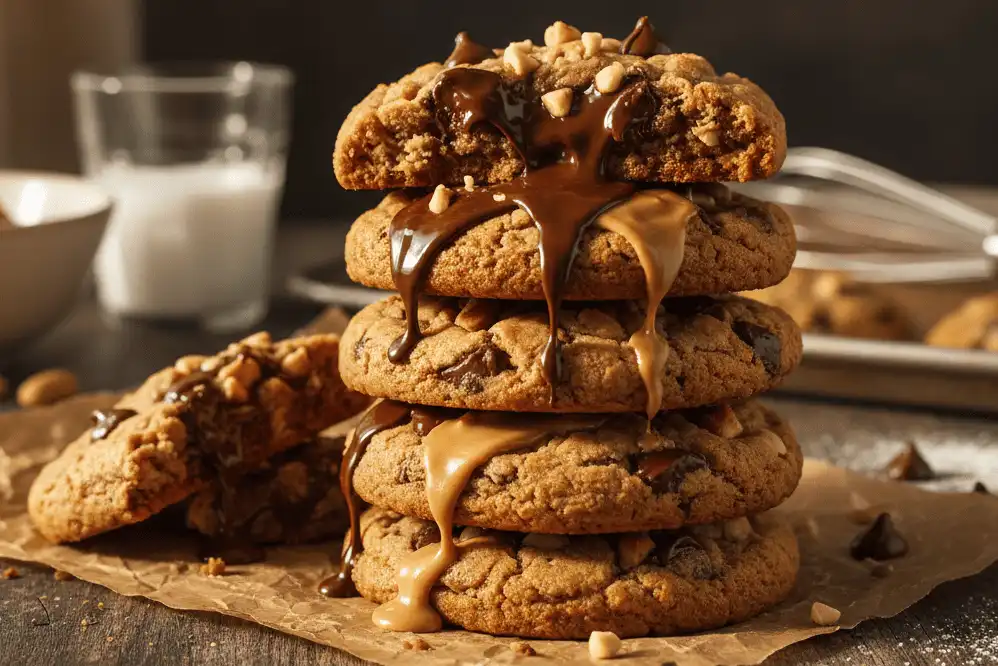
These peanut butter chocolate chip cookies are soft in the center, lightly crisp at the edges, and packed with rich peanut butter flavor in every bite. The recipe is simple enough for weeknight baking but indulgent enough for parties, lunchbox surprises, bake sales, and cozy weekend sweet treats. You’ll also find practical tips for gluten free peanut butter chocolate chip cookies, oatmeal add-ins, extra-chocolate variations, and ways to customize the dough without losing that tender, bakery-style texture.
What makes these cookies so decadent?
The decadence comes from the balance of creamy peanut butter, brown sugar, butter, and plenty of chocolate chips. Peanut butter gives the dough a nutty richness, while brown sugar helps keep the cookies moist and chewy. Chocolate chips add contrast: sweet, melty pockets against the salty, roasted flavor of the peanut butter.
A great cookie is not only about ingredients, though. It is also about texture. This recipe uses just enough flour to hold the dough together without making the cookies dry, and a short chill time helps the dough bake up thicker instead of spreading too thin. The result is the kind of cookie that feels familiar, homemade, and just a little over the top.
Ingredients for rich peanut butter flavor
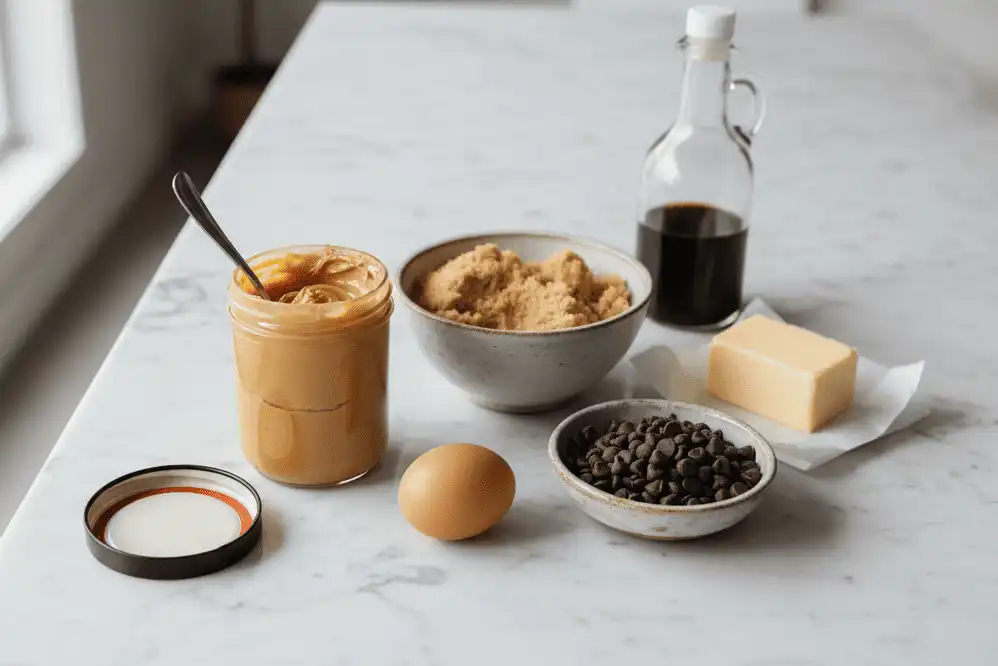
Use everyday baking staples, but choose them thoughtfully. Since peanut butter is the star, its texture and sweetness will affect the final cookie.
Core ingredients
- Creamy peanut butter: Use a conventional creamy peanut butter for the most reliable texture. Natural peanut butter can work, but it should be very well stirred and not overly oily.
- Unsalted butter: Softened butter adds tenderness and helps the cookies cream properly with the sugars.
- Brown sugar: Adds moisture, chewiness, and a caramel-like depth.
- Granulated sugar: Helps create lightly crisp edges.
- Egg: Binds the dough and gives structure.
- Vanilla extract: Rounds out the peanut butter and chocolate flavors.
- All-purpose flour: Provides the cookie base.
- Baking soda: Gives the cookies lift and helps them spread just enough.
- Salt: Keeps the sweetness balanced and makes the peanut flavor pop.
- Chocolate chips: Semi-sweet chips are classic, but dark, milk, or mini chips also work.
Optional add-ins
If you want chocolate chip peanut butter chip cookies, fold in peanut butter chips along with the chocolate chips. For peanut butter oatmeal and chocolate chip cookies, add a modest amount of old-fashioned oats to give the dough a heartier chew. If you like chocolate peanut butter chocolate chip cookies, add cocoa powder to the dough and increase the chocolate chips slightly for a deeper dessert-style cookie.
The recipe at a glance
This is one of those easy cookie recipes that rewards small details. Softened butter, room-temperature egg, and a brief chill make the dough easier to handle and help the cookies bake evenly.
Ingredients
- 1/2 cup unsalted butter, softened
- 3/4 cup creamy peanut butter
- 3/4 cup packed brown sugar
- 1/4 cup granulated sugar
- 1 large egg
- 2 teaspoons vanilla extract
- 1 1/4 cups all-purpose flour
- 1/2 teaspoon baking soda
- 1/2 teaspoon salt
- 1 cup semi-sweet chocolate chips
- Optional: 1/2 cup peanut butter chips or chopped peanuts
Instructions
- Cream the fats and sugars. In a large bowl, beat the softened butter, peanut butter, brown sugar, and granulated sugar until smooth and slightly fluffy. This step helps create a softer cookie.
- Add egg and vanilla. Mix in the egg and vanilla until fully combined. Scrape the bowl so the peanut butter mixture is even.
- Combine the dry ingredients. In a separate bowl, whisk together the flour, baking soda, and salt.
- Make the dough. Add the dry ingredients to the wet ingredients and mix just until no dry streaks remain. Do not overmix, or the cookies may become tough.
- Fold in chocolate. Stir in the chocolate chips and any optional peanut butter chips or chopped peanuts.
- Chill briefly. Cover the bowl and chill the dough for 20 to 30 minutes. This makes the dough easier to scoop and helps reduce spreading.
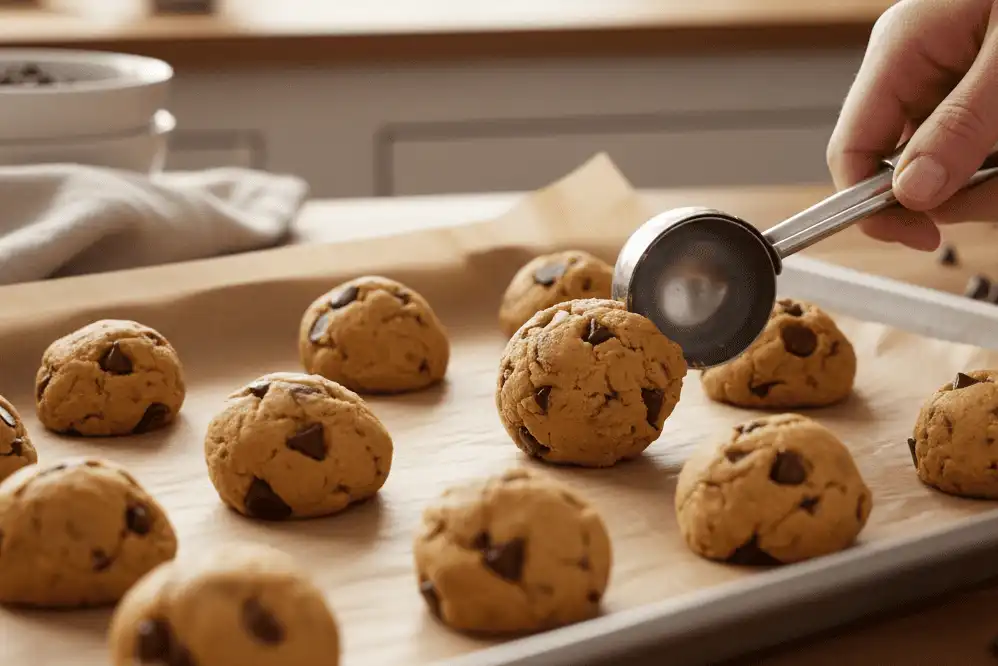
- Bake. Scoop the dough onto a parchment-lined baking sheet, leaving space between cookies. Bake at 350°F until the edges are set and the centers still look slightly soft.
- Cool on the pan. Let the cookies rest on the baking sheet for several minutes before moving them to a wire rack. They will continue to firm as they cool.
How do you get soft, chewy cookies instead of dry ones?
For soft, chewy peanut butter chocolate chip cookies, avoid overbaking and measure the flour carefully. Peanut butter cookies can turn dry when too much flour is packed into the cup or when the cookies stay in the oven until they look completely firm. Pull them out when the edges are set but the centers still look a little underdone.
The dough should be thick but scoopable. If it feels greasy or loose, chill it longer. If it feels crumbly before baking, the flour may have been overmeasured or the peanut butter may be too dry. In that case, mix in a teaspoon or two of milk just until the dough comes together.
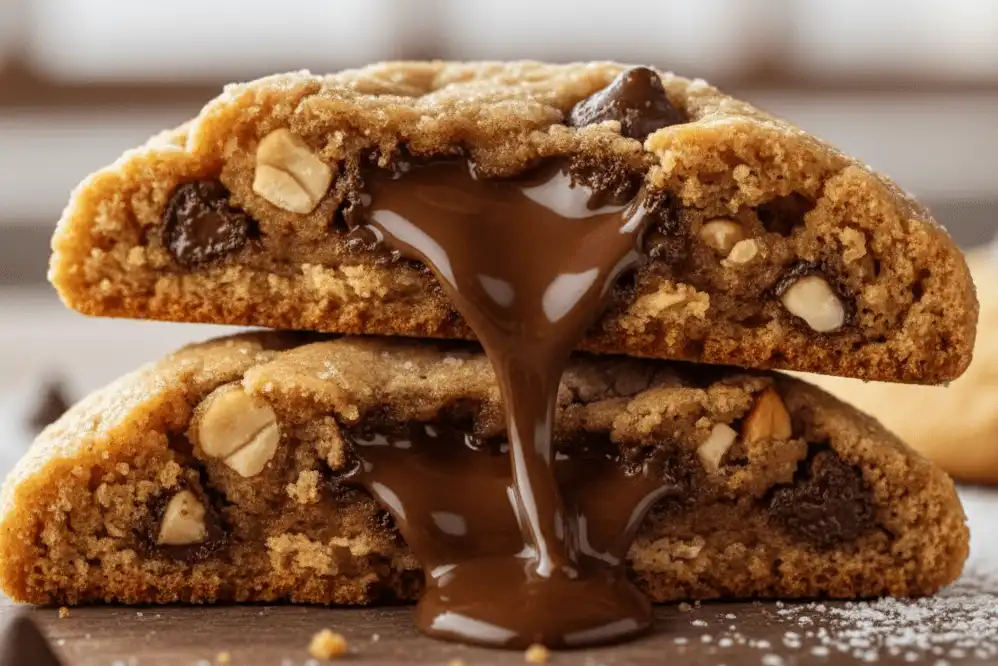
Texture tips that matter
- Use softened, not melted, butter. Melted butter can make the cookies spread more and bake flatter.
- Do not skip the brown sugar. It helps create the chewy texture people expect from rich homemade cookies.
- Chill the dough if your kitchen is warm. Warm dough spreads faster, especially with peanut butter and butter together.
- Bake one test cookie first. If it spreads too much, chill the dough longer. If it barely spreads, gently flatten the next batch before baking.
- Let the cookies finish on the baking sheet. Moving them too soon can break the soft centers.
Gluten-free and allergy-aware variations
To make gluten free peanut butter chocolate chip cookies, replace the all-purpose flour with a cup-for-cup gluten-free baking blend designed for cookies and bars. Choose a blend that includes a binder such as xanthan gum, or follow the directions on your flour package. The dough may need a slightly longer rest because gluten-free flours often hydrate more slowly.
If you are baking for someone with dietary restrictions, check every ingredient label, including chocolate chips, peanut butter, and baking add-ins. Gluten can appear in unexpected places through flavorings or shared processing. For nut allergies, this recipe is not suitable as written, but sunflower seed butter may be used in some cookie recipes as an alternative; expect a different flavor and texture.
Gluten-free baking checklist
- Use a reliable 1:1 gluten-free baking flour.
- Let the dough rest before scooping so the flour can hydrate.
- Line the pan with parchment to prevent sticking.
- Watch baking time closely, since gluten-free cookies may brown differently.
- Cool fully before stacking, because the cookies can be more delicate while warm.
Flavor variations for every cookie craving
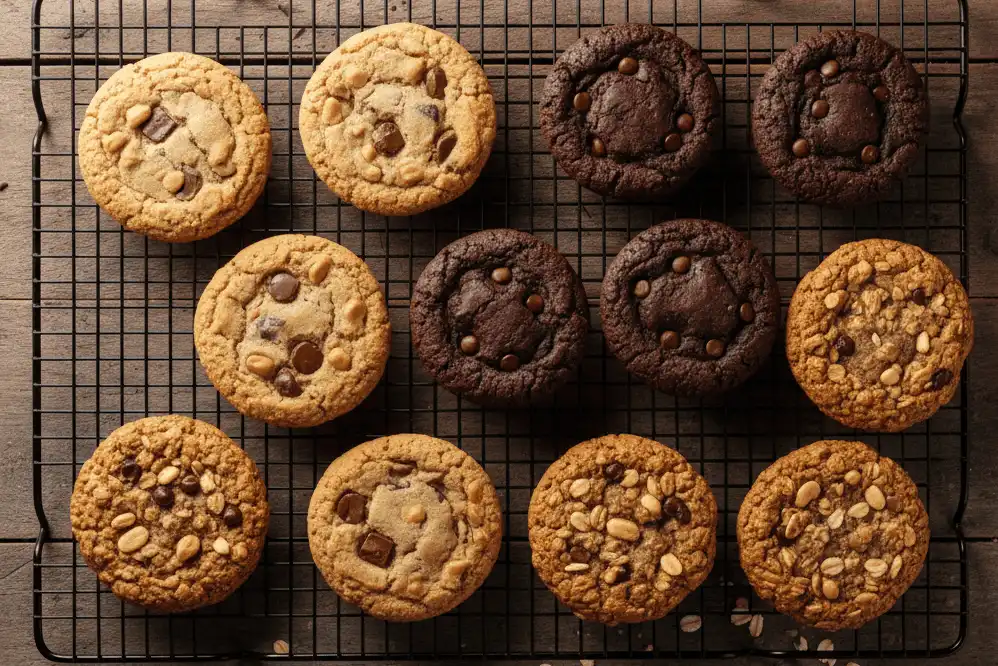
Once you understand the base dough, you can take the cookies in several directions. Keep add-ins moderate so the dough can still hold together and bake evenly.
Chocolate chip peanut butter chip cookies
For a sweeter, candy-shop version, use 3/4 cup semi-sweet chocolate chips and 1/2 cup peanut butter chips. This doubles down on the peanut butter flavor while keeping enough chocolate for contrast. A small sprinkle of flaky salt after baking can keep the sweetness from feeling heavy.
Peanut butter oatmeal and chocolate chip cookies
For a heartier cookie, add 1/2 cup old-fashioned oats to the dough. Oats give the cookies a chewy, rustic texture and make them feel more substantial. If the dough becomes too stiff, add a small splash of milk to help it come together.
Chocolate peanut butter chocolate chip cookies
For an extra-rich chocolate version, replace 1/4 cup of the flour with unsweetened cocoa powder. This turns the cookie base chocolatey while preserving the peanut butter flavor. Dark chocolate chips work especially well in this variation because they balance the sweetness.
Nestle-inspired chocolate chip comfort
If your ideal cookie is close to classic Nestle peanut butter chocolate chip cookies, keep the dough simple and use semi-sweet morsels. The familiar flavor comes from a balanced dough, generous chips, and a soft center rather than too many add-ins. This is the version to choose when you want a dependable crowd-pleaser.
Baking mistakes and easy fixes
Even easy cookie recipes can change based on temperature, peanut butter type, and how ingredients are measured. Most issues are simple to fix once you know what caused them.
- Cookies spread too much: The butter may have been too soft, the dough may be warm, or the baking sheet may still be hot from a previous batch. Chill the dough and use a cool pan.
- Cookies are dry: They may be overbaked, or too much flour may have been added. Spoon flour into the measuring cup and level it instead of scooping directly from the bag.
- Cookies are too crumbly: The dough may need more moisture. Add a teaspoon of milk at a time until it holds together.
- Cookies taste flat: Add the full amount of salt and vanilla. Peanut butter needs contrast to taste bold.
- Chocolate chips fall out of the dough: Press a few chips onto the tops of the scooped dough balls before baking.
Serving and storage ideas
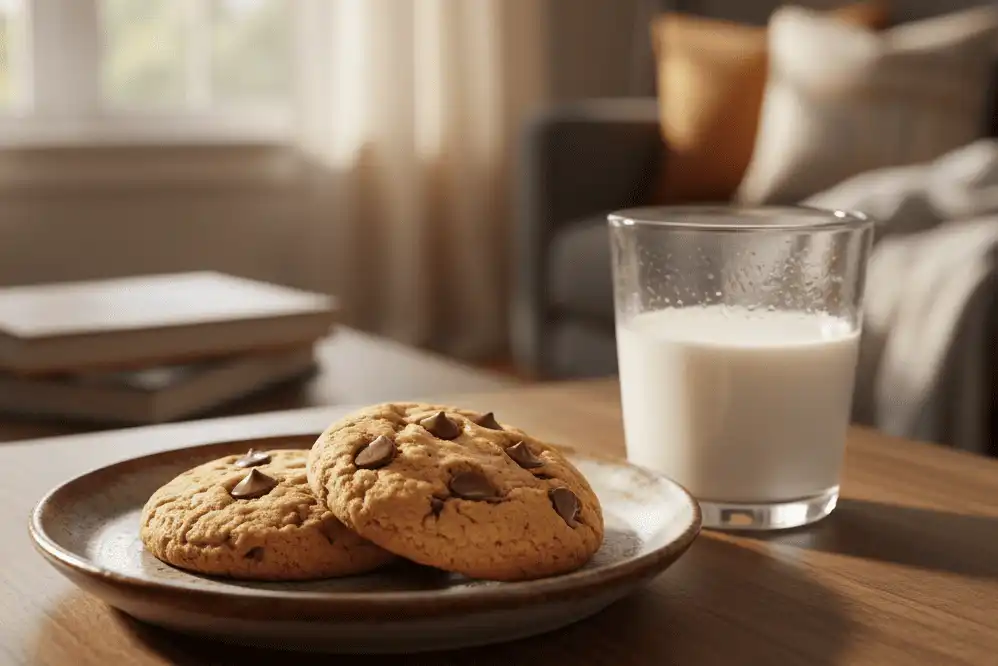
Serve these cookies slightly warm when the chocolate is still soft, or let them cool completely for a chewier bite. They pair well with coffee, milk, hot cocoa, or a scoop of vanilla ice cream. For gatherings, arrange them with brownies, blondies, and fruit for an easy dessert board.
Store cooled cookies in an airtight container at room temperature for several days. To keep them softer, add a small piece of bread to the container and replace it as needed. You can also freeze baked cookies or freeze scooped dough balls for future baking. If baking from frozen, add a little extra time and watch for set edges.
The simple path to better homemade cookies
Great peanut butter chocolate chip cookies come down to balance: enough peanut butter for flavor, enough brown sugar for chew, enough chocolate for richness, and enough patience to chill the dough. Start with the classic version, then adapt it into gluten-free cookies, oatmeal cookies, peanut butter chip cookies, or double-chocolate cookies depending on the occasion.
For best results, bake a small test batch, adjust the dough if needed, and let the cookies cool before judging the final texture. Once you find your favorite variation, this recipe can become your dependable base for sweet treats that feel homemade, generous, and deeply satisfying.