
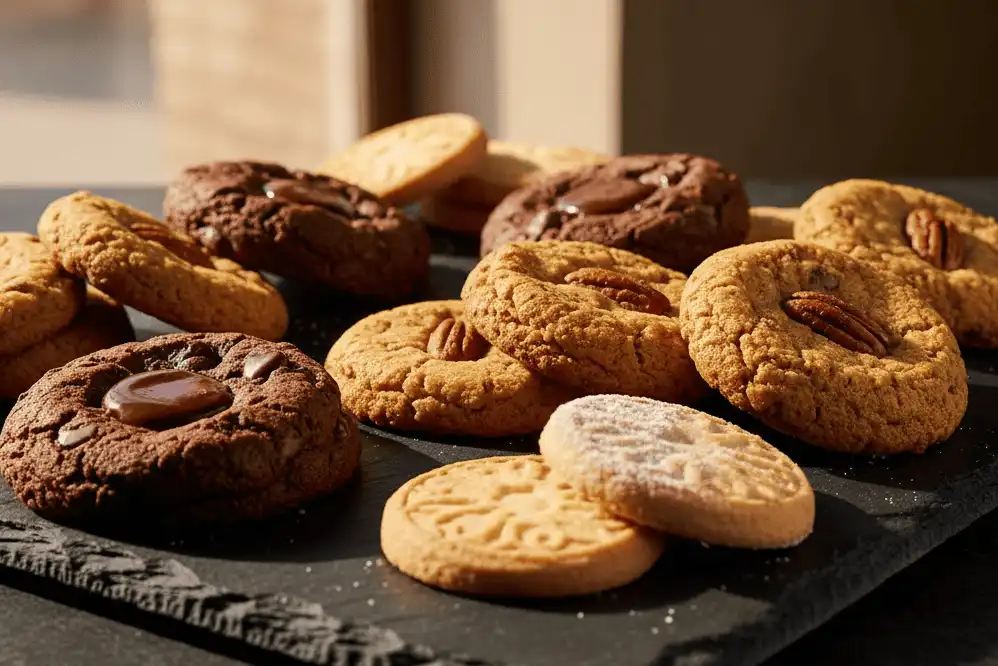
Professional cookies are more than sweet treats; they are thoughtfully designed products with consistent flavor, polished appearance, reliable texture, and a clear purpose. Whether you want to bake gourmet cookies for a specialty menu, create custom cookies for events, or improve your home-based cookie business, the craft depends on repeatable systems as much as creativity. This guide explains the core decisions that shape professional cookies, from ingredients and dough handling to decorating, packaging, and quality control.
What makes a cookie truly professional?
A professional cookie is consistent, intentional, and suited to the occasion it is made for. It should taste balanced, look finished, hold up through handling, and deliver the same experience from the first order to the next. The difference is not only in expensive ingredients or elaborate decoration; it is in the baker’s ability to control the process.
Professional results usually begin before the mixer turns on. A baker decides what the cookie needs to be: soft and chewy, crisp and delicate, rich and indulgent, elegant and minimal, or decorated for a specific theme. That decision guides everything else, including flour choice, sugar ratio, fat temperature, portion size, bake time, cooling method, and packaging.
This is why professional cookies often feel more refined than casual batches. The flavors are layered but not muddy. The decorations support the design instead of overwhelming it. The texture is deliberate rather than accidental. Most importantly, the cookie can be repeated with confidence.
The foundation starts with ingredient control
Great cookies depend on ingredients that work together predictably. While creativity matters, professional baking is not guesswork. Small changes in butter temperature, flour measurement, sugar type, or egg size can alter spread, chew, browning, and shelf life.
Flour shapes structure
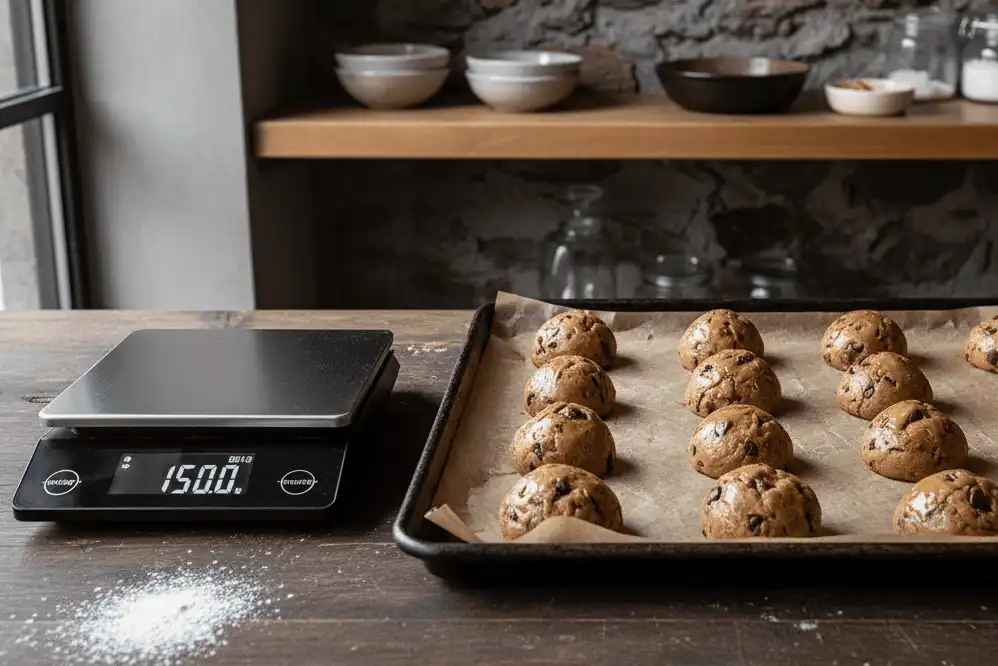
Flour gives cookies their body. Too much can make them dry and cakey, while too little can make them greasy or fragile. Professional bakers often measure by weight because it improves consistency. Even if you bake in a small kitchen, using a scale can make your custom cookies more reliable from batch to batch.
Different cookie styles need different levels of structure. A cutout cookie meant for decorating should keep clean edges. A thick gourmet cookie can handle more richness and density. A thin crisp cookie needs enough structure to hold together without becoming tough.
Fat affects flavor, spread, and mouthfeel
Butter brings flavor and tenderness, but it also influences spread. Soft butter incorporates air differently than melted butter, and chilled dough behaves differently from room-temperature dough. If cookies spread too much, the issue may not be the recipe alone; it may be fat temperature, dough temperature, pan temperature, or baking environment.
Some bakers use blends of fats for specific results, but the important lesson is control. Choose the fat for the texture and flavor you want, then handle it the same way every time.
Sugar does more than sweeten
Sugar controls browning, moisture, crispness, and chew. Brown sugar often adds softness and deeper flavor because of its molasses content. White sugar can encourage spread and crisp edges. Powdered sugar may create a more tender bite in certain doughs.
For gourmet cookies, sugar balance is especially important. Add-ins such as chocolate, caramel, dried fruit, fillings, and glazes all contribute sweetness. A professional cookie should feel indulgent without becoming one-dimensional.
Flavor design separates ordinary from memorable
Flavor is where professional cookies can become distinctive. A strong cookie menu usually includes familiar favorites, elevated classics, and a few signature ideas. The goal is not to add every possible ingredient, but to build a flavor experience that feels complete.
A useful way to think about flavor is in layers:
- Base flavor: vanilla, cocoa, browned butter, peanut butter, spice, citrus, or almond.
- Texture accent: toasted nuts, crisp pearls, chopped chocolate, cookie crumbs, or seeds.
- Contrast: sea salt, tart fruit, espresso, citrus zest, or a lightly bitter note.
- Finish: glaze, drizzle, dusting, filling, or decorative topping.
The best gourmet cookies usually have contrast. A chocolate cookie tastes richer with salt. A lemon cookie feels brighter with a buttery base. A spiced cookie becomes more balanced with creaminess or citrus. Contrast keeps the palate interested and makes the cookie feel crafted rather than simply sweet.
It also helps to name and describe flavors clearly. If a cookie includes browned butter, dark chocolate, and toasted pecans, the description should help customers understand why it is special. Good flavor communication supports both selling and satisfaction.
How do you create custom cookies that still taste great?
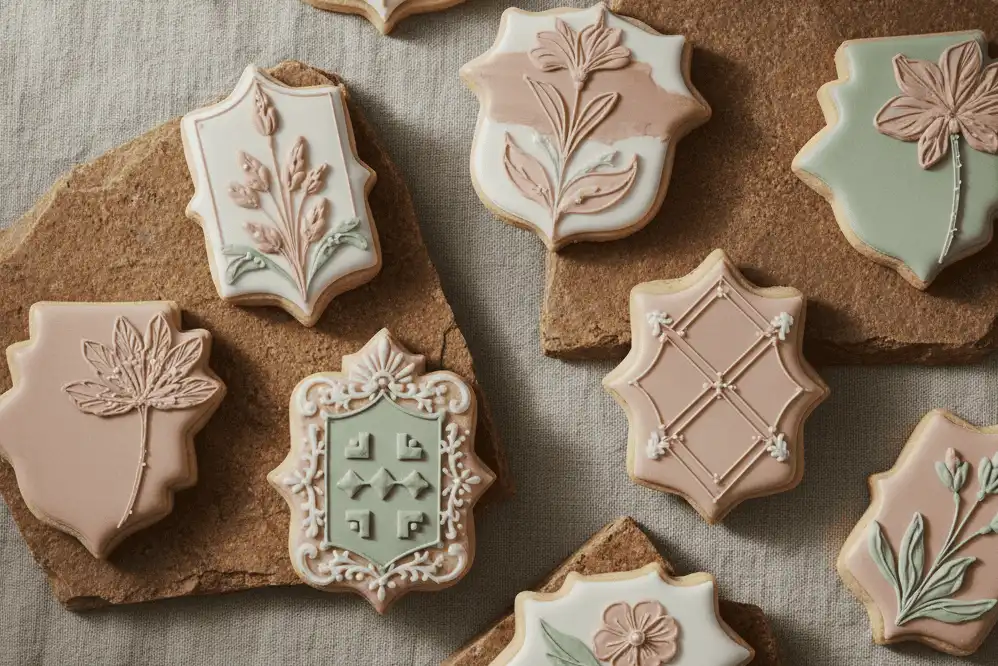
Custom cookies work best when the design and the recipe support each other. A cookie made for detailed decoration needs a stable base, clean surface, and icing or finish that complements the flavor. If the cookie looks beautiful but tastes bland, dry, or overly sweet, it will not feel professional.
The first step is choosing the right format. Decorated sugar cookies are popular because they provide a smooth canvas, but they are not the only option. Sandwich cookies, stamped cookies, dipped cookies, filled cookies, and shaped shortbread can also be customized. The right choice depends on the event, design complexity, packaging needs, and how the cookies will be served.
For highly detailed custom cookies, keep the base flavor simple but not boring. Vanilla bean, almond, citrus, cocoa, chai spice, or brown sugar can create interest without competing with icing. If you use royal icing, buttercream, fondant, glaze, or chocolate, consider how sweetness and texture will work with the cookie underneath.
Practical design choices matter too:
- Match the dough to the shape. Intricate cutters need dough that holds edges well.
- Limit fragile details. Thin extensions, tiny points, and tall decorations can break during packaging.
- Use a consistent color palette. Professional designs often look better with restraint.
- Allow enough drying or setting time. Rushing decorated cookies can damage the finish.
- Package for protection. A beautiful cookie should arrive looking intentional, not smudged or cracked.
Custom work is also about communication. Confirm the theme, colors, quantity, deadline, flavors, packaging preferences, and any wording before production begins. Clear expectations protect both the baker and the customer.
Technique turns recipes into repeatable results
A recipe is only the starting point. Professional cookies come from the way the recipe is mixed, rested, portioned, baked, cooled, and stored. Each stage affects the final result.
Mixing controls texture
Creaming butter and sugar creates a different texture than stirring melted butter with sugar. Overmixing after flour is added can make some cookies tougher, while undermixing can leave streaks or uneven structure. Add-ins should be distributed evenly without crushing delicate ingredients.
A professional approach is to define the mixing method for each cookie style. Instead of relying only on time, watch for visual cues: lighter color, smooth dough, no dry pockets, evenly dispersed inclusions, or the right level of thickness.
Resting improves control
Many doughs benefit from resting or chilling. Resting allows flour to hydrate and flavors to develop, while chilling helps control spread. Not every cookie needs a long rest, but professional bakers know when it helps.
If you chill dough, portion it consistently before or after chilling based on what works best for the recipe. Dense chilled dough can be difficult to scoop evenly, while soft dough may need chilling before it can be shaped cleanly.
Portioning creates consistency
Uniform size is one of the clearest signs of professional cookies. Consistent portions bake evenly, package neatly, and make orders easier to fulfill. Scoops, scales, templates, and guides all help.
For bakery-style gourmet cookies, weighing each dough ball can be worth the extra step. For decorated cookies, rolling guides help maintain even thickness. Consistency is not just visual; it affects texture and bake time.
Baking and cooling require close attention
Oven performance can vary, so professional results require observation. A cookie may need a lighter pan, a different rack position, parchment instead of a silicone mat, or a slightly adjusted bake time. The goal is to understand the signs of doneness for each style.
Some cookies should come out when the centers look slightly underdone because they continue setting on the pan. Others need full crispness before cooling. Decorated cookie bases often require an even, pale surface, while chocolate chip cookies may benefit from deeper edge browning.
Cooling is part of baking, not an afterthought. Moving cookies too soon can cause breakage. Leaving them too long on a hot pan can overbake the bottoms. Once cooled, cookies should be stored in a way that protects texture, flavor, and appearance.
Presentation makes the product feel complete
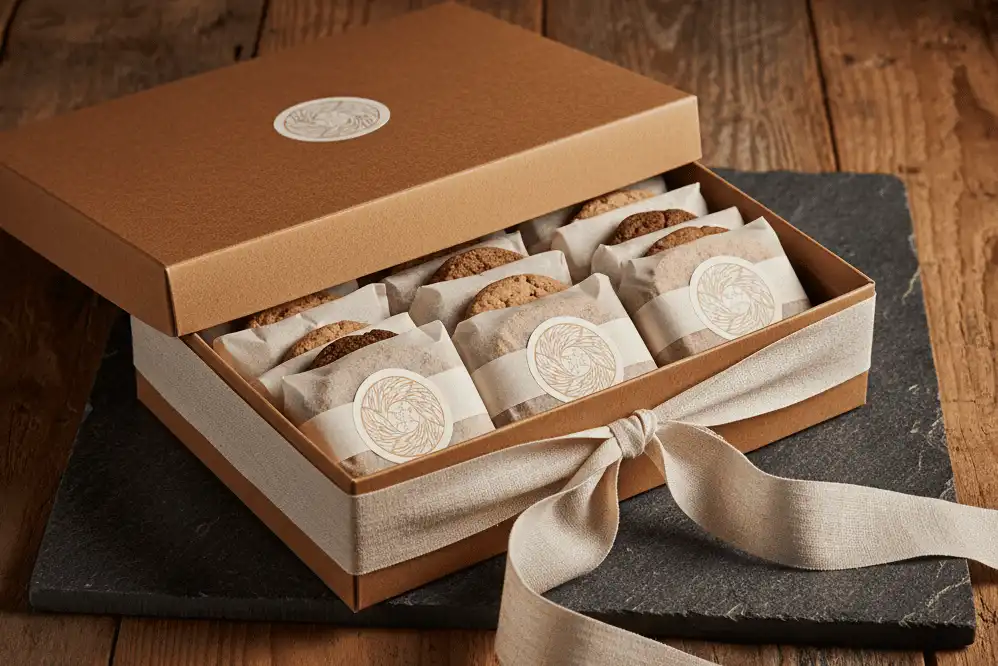
Professional cookies should look deliberate from every angle. This does not mean every cookie needs complex decoration. A simple cookie can feel luxurious when the shape is clean, the topping is even, the finish is neat, and the packaging fits the product.
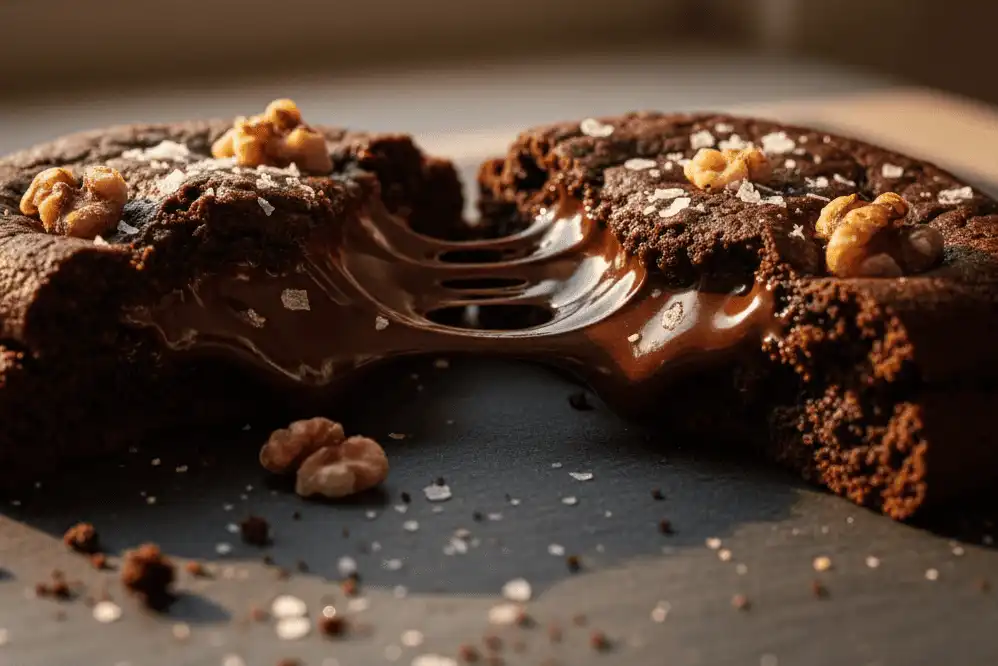
For gourmet cookies, presentation might include a visible chocolate pool, a sprinkle of flaky salt, a precise drizzle, or a clean cross-section that shows fillings and inclusions. For custom cookies, presentation may depend on color matching, line work, lettering, dimension, and coordinated sets.
Packaging should protect the cookie and support the experience. Consider the cookie’s fragility, moisture level, aroma, and finish. Crisp cookies should not be packed in a way that traps too much moisture. Decorated cookies need space and protection. Soft cookies may need wrapping that helps preserve tenderness.
A professional presentation checklist can include:
- Cookies are uniform in size, thickness, and finish.
- Edges are clean, not burnt, broken, or misshapen.
- Decorations are dry, set, and free of smears.
- Packaging fits snugly without crushing the product.
- Labels or flavor notes are clear when needed.
- Orders are checked against quantity, flavor, and design details.
How can you build a professional cookie process?
A professional cookie process is a repeatable workflow that reduces mistakes and protects quality. It helps bakers stay organized, especially when producing multiple flavors, custom orders, or larger batches. Even a small operation benefits from written standards.
Start by documenting each recipe in detail. Include ingredient weights, mixing method, dough temperature notes, portion size, chilling time, bake temperature, bake time range, cooling process, yield, packaging method, and storage guidance. Over time, these notes become one of the most valuable tools in your kitchen.
Then organize production in stages. For example, you might prepare doughs one day, bake the next, decorate after cooling, and package once everything has set. This staged approach is especially helpful for custom cookies because drying, layering, and packaging often take longer than expected.
Quality control should happen throughout the process, not only at the end. Check dough texture before baking. Check spread and browning during the first tray. Check cooled cookies before decorating. Check finished cookies before packaging. Small corrections early can prevent large problems later.
Balancing creativity with customer expectations
Professional baking requires both artistry and practicality. Customers may be drawn to bold flavors, detailed designs, or seasonal ideas, but they also want cookies that arrive on time, match the order, and taste as promised. The baker’s role is to turn inspiration into something reliable.
When developing gourmet cookies, test one change at a time. If you adjust sugar, add filling, change chocolate, and alter bake time in the same test, it becomes difficult to know what caused the result. Take notes and compare batches. Professional creativity is still creative, but it is structured.
For custom cookies, protect the customer experience by setting realistic boundaries. Not every design works at every size. Not every color can be matched perfectly in every medium. Not every cookie can be rushed. Clear guidance helps customers make choices that lead to better results.
It is also wise to design with use in mind. Cookies for favors may need individual wrapping. Cookies for a dessert table should look good from a distance. Cookies for shipping need sturdier shapes and finishes. Cookies for gifting should feel polished before the box is even opened.
Common mistakes that hold cookies back
Many cookie problems come from small inconsistencies rather than major failures. Identifying them makes improvement easier.
Watch for these common issues:
- Inconsistent measuring: This leads to unpredictable spread, dryness, or density.
- Skipping chill time: Dough may spread too much or lose defined shapes.
- Overloading add-ins: Too many inclusions can weaken structure and create uneven baking.
- Ignoring pan temperature: Placing dough on a warm pan can cause early melting and excess spread.
- Decorating too soon: Warm cookies can melt finishes or trap moisture.
- Packaging before fully set: Icing, glaze, or chocolate can smear and transfer.
- Weak flavor balance: Sweetness without salt, acidity, spice, or bitterness can taste flat.
The solution is usually not to abandon the recipe. Instead, isolate the variable. Change one technique, test again, and record what happens. That habit is what moves a baker from casual results to professional cookies.
A practical path to better cookies
Improvement happens fastest when you combine creativity with disciplined practice. Choose one cookie style to refine first, such as a decorated vanilla cutout, a chewy chocolate chip, or a filled sandwich cookie. Make it repeatedly until you understand how the dough should feel, how it should bake, and how it should look when finished.
Use feedback carefully. If several people say a cookie is too sweet, too dry, or too soft, look for a pattern. If one person simply prefers another style, that may not require a recipe change. Professional judgment means listening without chasing every opinion.
As your skills grow, build a focused menu. A few excellent cookies are stronger than many inconsistent options. Include flavors and designs you can execute well, package cleanly, and reproduce under real production conditions.
Professional cookies are the result of thoughtful choices repeated with care. When flavor, texture, design, process, and presentation work together, cookies become more than a baked good; they become a polished experience. Whether you are making gourmet cookies for a menu or custom cookies for a celebration, mastery comes from treating every detail as part of the craft.