
Table of Contents
- Understanding Keto Cookies: Science, Macros, and Ingredients
- The Chemistry of Keto Baking vs. Traditional Baking
- Step-by-Step Guide: How to Bake Perfect Keto Chocolate Chip Cookies
- Keto Cookie Flour & Sweetener Comparison Matrix
- Expert Baking Secrets and Advanced Troubleshooting
- Common Keto Cookie Mistakes (and How to Fix Them)
- Best Practices for Storing, Freezing, and Meal Prep
- Recommended Baking Tools & Resources
- Internal Linking Suggestions
- External Authority References
- Key Takeaways
- Conclusion & Next Steps
- Frequently Asked Questions (FAQ)
What Are Keto Cookies?
Keto cookies are low-carb, sugar-free baked goods designed to fit a ketogenic lifestyle by containing fewer than 3 grams of net carbs per serving. They replace high-glycemic wheat flour with nut or seed meals and exchange refined sugar for natural sweeteners like allulose or erythritol.
By relying on healthy fats like grass-fed butter or coconut oil, these treats help maintain ketosis while offering the familiar texture and flavor of traditional bakery items.
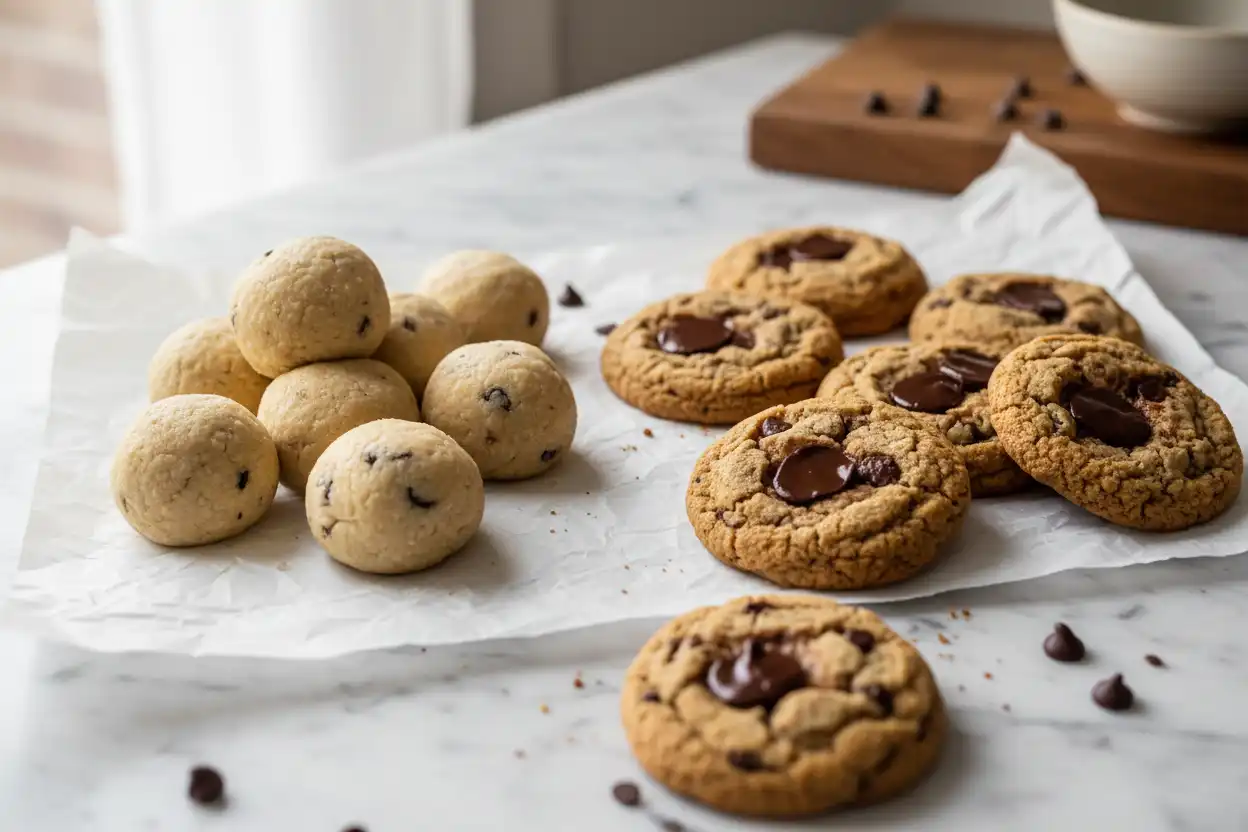
Following a low-carb diet no longer requires giving up your favorite baked goods. Modern low-carb ingredients allow you to recreate classic bakery treats that taste incredible without spiking your blood sugar.
This comprehensive guide breaks down the exact science, ingredient ratios, and baking techniques needed to produce soft, chewy, or crispy keto cookies every single time. Whether you are managing diabetes, following a strict ketogenic diet, or simply cutting back on sugar, you will master low-carb baking with confidence.
Understanding Keto Cookies: Science, Macros, and Ingredients
Traditional cookie recipes rely heavily on wheat flour for structure and sucrose for sweetness, bulk, and moisture retention. Recreating these properties without high-carb ingredients requires a functional understanding of alternative flour physics and natural sweetener behavior.
What Makes a Cookie “Keto”?
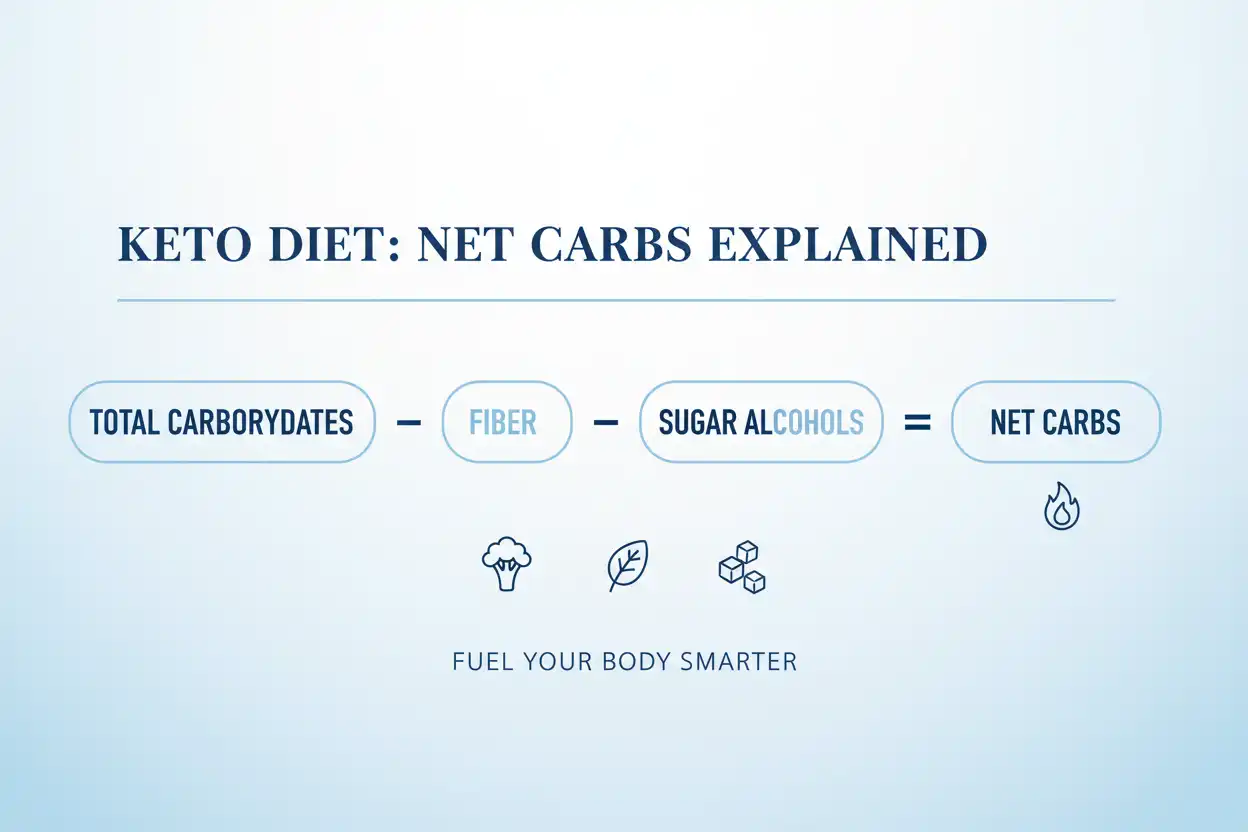
A true keto cookie must align with ketogenic macronutrient ratios: high in healthy fats, moderate in protein, and extremely low in net carbohydrates. Net carbohydrates are calculated by subtracting dietary fiber and zero-glycemic sugar alcohols from total carbohydrates.
Targeting between 1 to 3 grams of net carbs per cookie ensures that enjoying a snack will not disrupt nutritional ketosis or trigger a significant insulin spike.
The Anatomy of Low-Carb Flour Options
Low-carb flours lack gluten, the primary structural protein in wheat flour. Because gluten provides elasticity and traps expanding gases, alternative flours require different handling and moisture ratios.
- Super-Fine Blanched Almond Flour: Made from skinless almonds, this flour provides a rich, buttery flavor and soft crumb. It contains high fat levels and low absorbency compared to grain flours.
- Defatted Coconut Flour: Highly absorbent and dense in fiber, coconut flour requires four times more liquid and extra eggs to bind correctly. It yields a light, cake-like texture if used properly.
- Sunflower Seed Meal: An ideal nut-free substitute for almond flour with a 1:1 substitution ratio. Note that its natural chlorophyll can react with baking soda, turning green as it cools unless neutralized with an acid.
Selecting the Right Keto Sweetener
Not all zero-calorie sweeteners behave equally in the oven. Selecting the right option determines whether your cookies turn out soft, crispy, or unpleasantly gritty.
Allulose is a rare natural sugar that caramelizes, browns, and retains moisture identically to sucrose without impacting blood glucose. Erythritol provides excellent bulk and crispness but can crystallize upon cooling and leaves a mild cooling sensation on the tongue. Monk fruit and stevia offer high-intensity sweetness and work best when blended with erythritol or allulose to build volume.
The Role of Fats and Binders
Fats deliver flavor and control spread in sugar-free baking. Unsalted grass-fed butter provides traditional rich notes, while coconut oil offers a dairy-free alternative that hardens firmly at room temperature.
Because low-carb flours lack gluten, binders are necessary to hold the dough together. Eggs provide essential protein structure and emulsification, while hydrocolloids like xanthan gum or powdered psyllium husk prevent cookies from crumbling into powder when touched.
The Chemistry of Keto Baking vs. Traditional Baking
Baking traditional cookies relies on sugar melting into a syrup that spreads dough across the baking sheet while gluten traps air pockets. Low-carb baking operates under entirely different chemical rules.
How Gluten-Free, Low-Carb Flours Behave
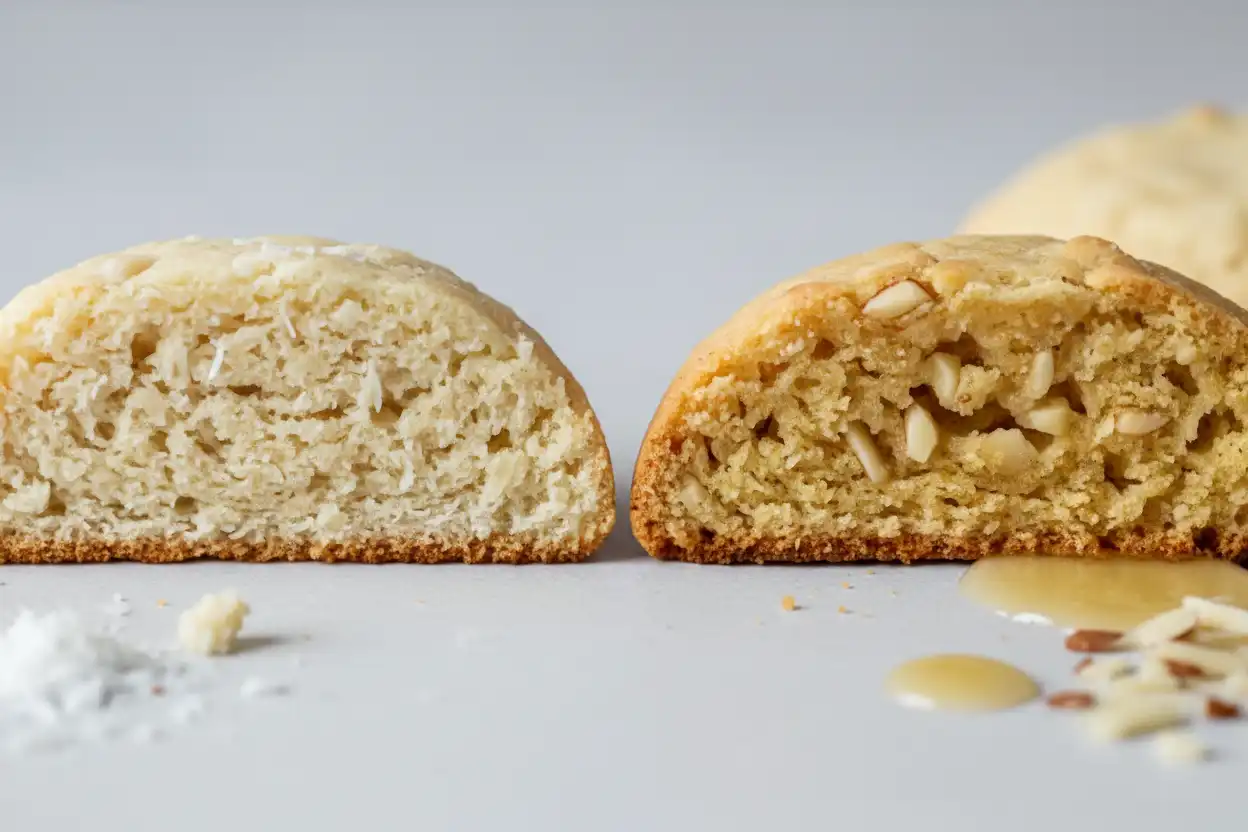
Almond flour is rich in healthy fats and lacks starch. When heated, almond fat melts quickly, causing dough to spread rapidly if it is not chilled before baking.
Coconut flour behaves like a sponge due to its dense insoluble fiber content. It absorbs liquid instantly, meaning batters quickly stiffen and require higher egg ratios to build steam and lift during baking.
Achieving the Ideal Texture: Soft-Baked vs. Crispy vs. Chewy
Texture in keto cookies depends heavily on your choice of sweetener and fat selection.
For a soft and chewy center, use granular or liquid allulose combined with extra egg yolks. For a classic crispy bite, use erythritol and melt the butter before mixing to encourage spread and crisping as the sugar alcohol cools and hardens.
Preventing Browning and Spreading Issues
Traditional sugar undergoes the Maillard reaction readily at 300°F (150°C). Erythritol does not undergo the Maillard reaction, meaning cookies made exclusively with erythritol can remain pale even when fully cooked.
Allulose browns significantly faster than standard sugar. When baking with allulose, reduce your oven temperature by 15°F to 25°F (10°C to 15°C) to prevent surface burning before the center bakes completely.
Step-by-Step Guide: How to Bake Perfect Keto Chocolate Chip Cookies
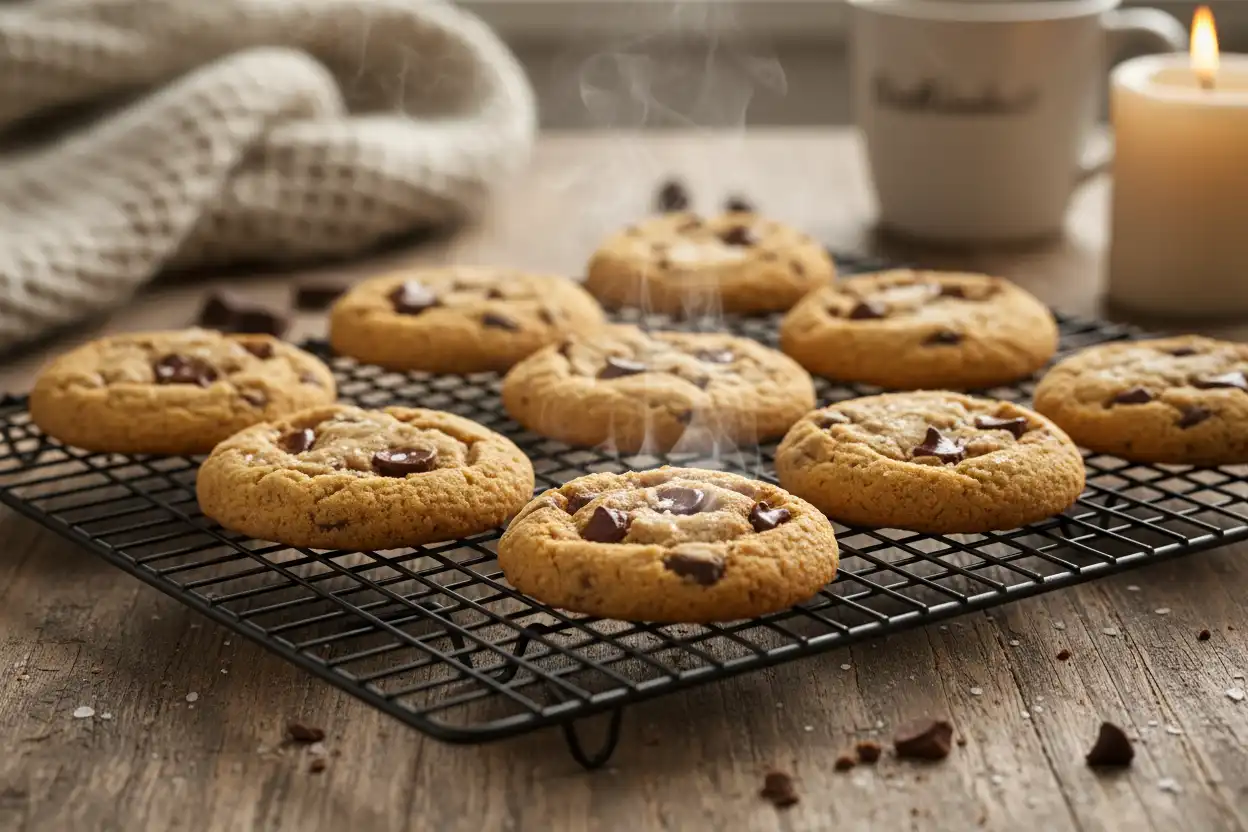
This master recipe produces soft-baked, chewy low-carb chocolate chip cookies with golden edges and rich buttery notes. Follow these exact steps for flawless execution.
Step 1: Prep and Whisk Dry Ingredients
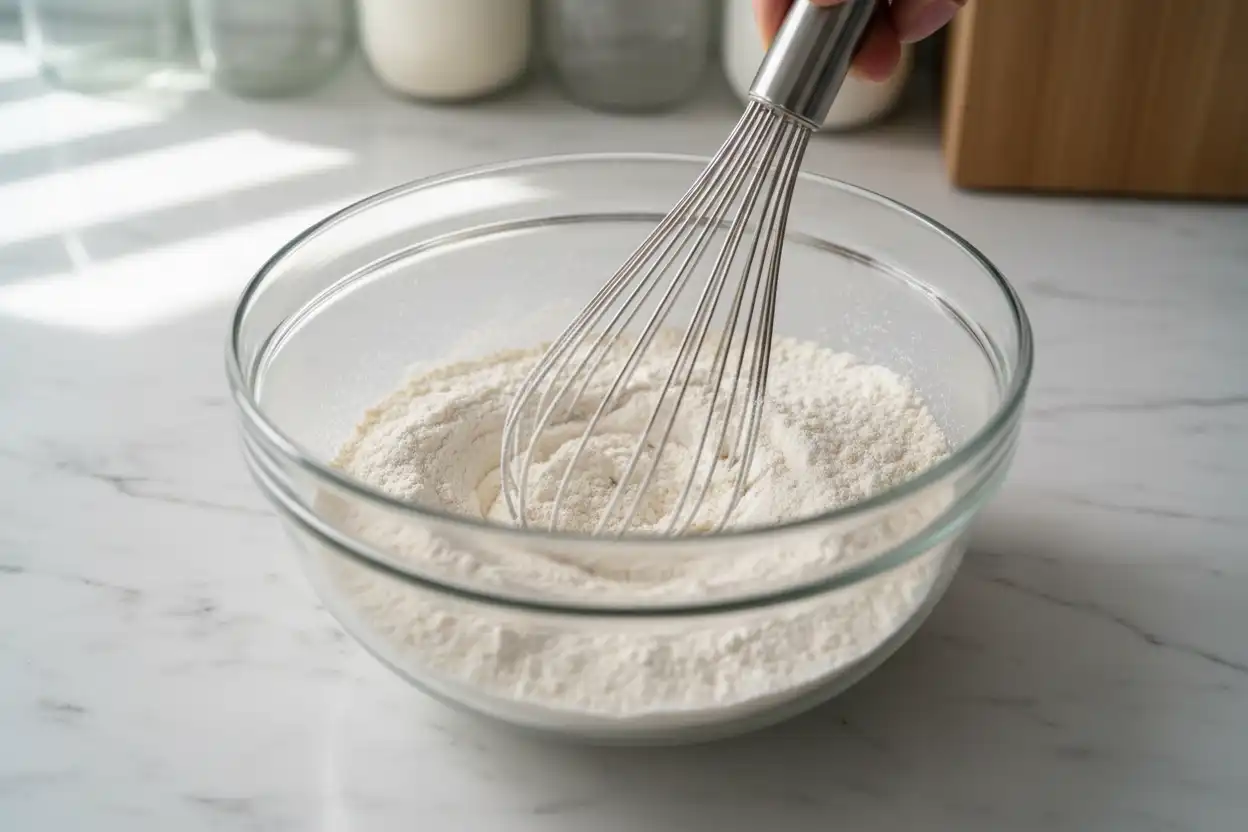
What: Combine 2 cups of super-fine blanched almond flour, 1/2 teaspoon of xanthan gum, 1/2 teaspoon of baking soda, and 1/4 teaspoon of fine sea salt in a large bowl.
Why: Whisking breaks up clumps in the almond flour and evenly distributes the xanthan gum throughout the dry mixture.
How: Use a wire whisk for 30 seconds until the mixture is uniform and airy.
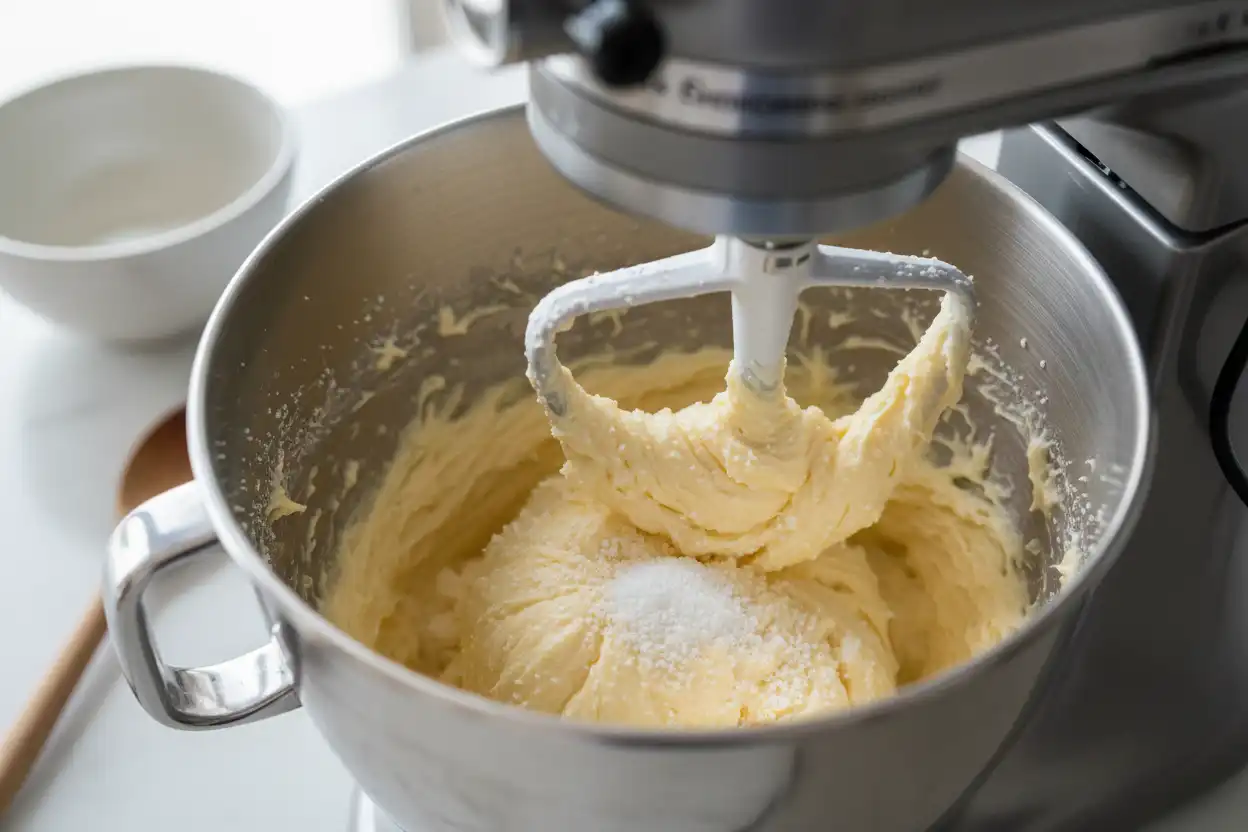
Step 2: Cream Fat and Sweeteners
What: Cream 1/2 cup of softened unsalted butter with 1/2 cup of granular allulose and 1/4 cup of granular erythritol.
Why: Combining allulose and erythritol creates a balanced texture that is soft in the center with slightly crisp edges while preventing crystallization.
How: Beat on medium speed for 2 to 3 minutes until pale, light, and fluffy.
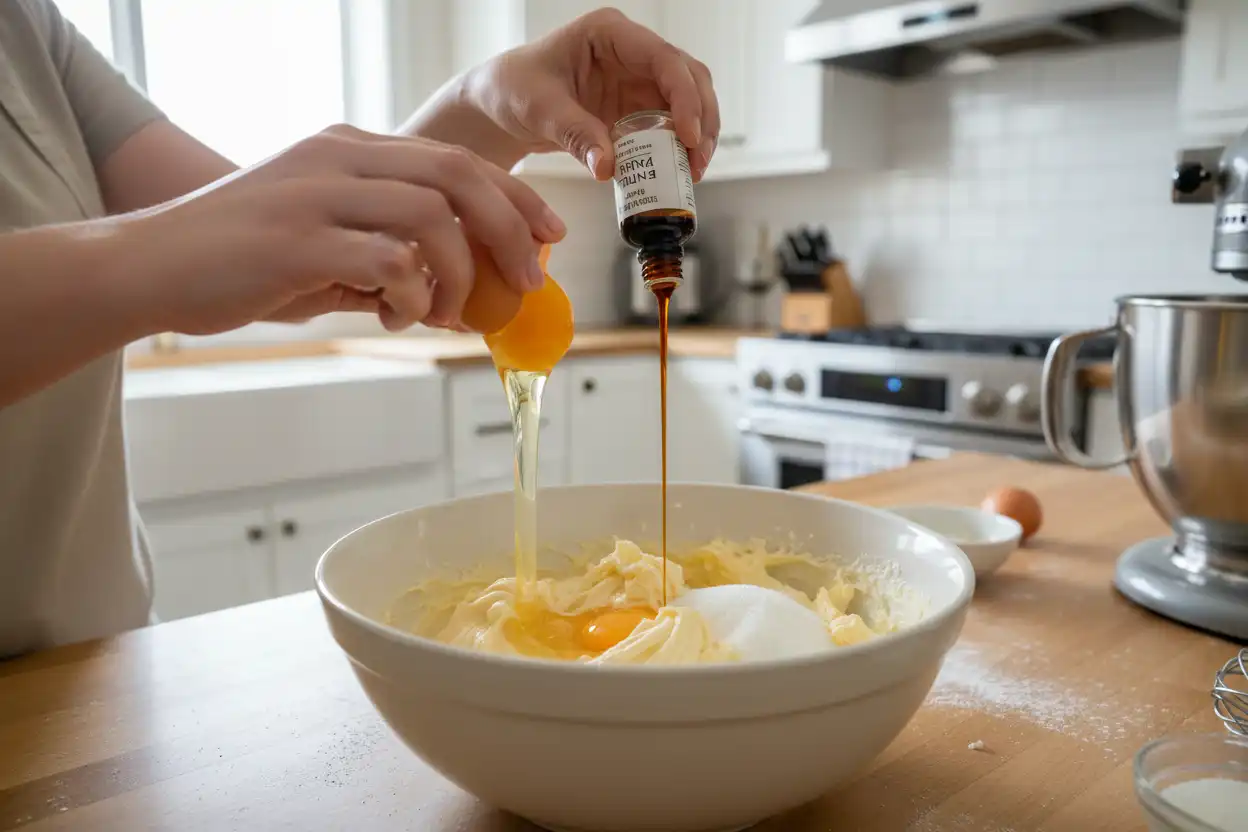
Step 3: Integrate Wet Additions
What: Add 1 large room-temperature egg and 1 teaspoon of pure vanilla extract to the creamed butter mixture.
Why: Cold eggs will cause the creamed butter to break and curdle, disrupting the smooth dough texture.
How: Beat on low speed just until the egg is fully incorporated, stopping to scrape down the sides of the bowl.
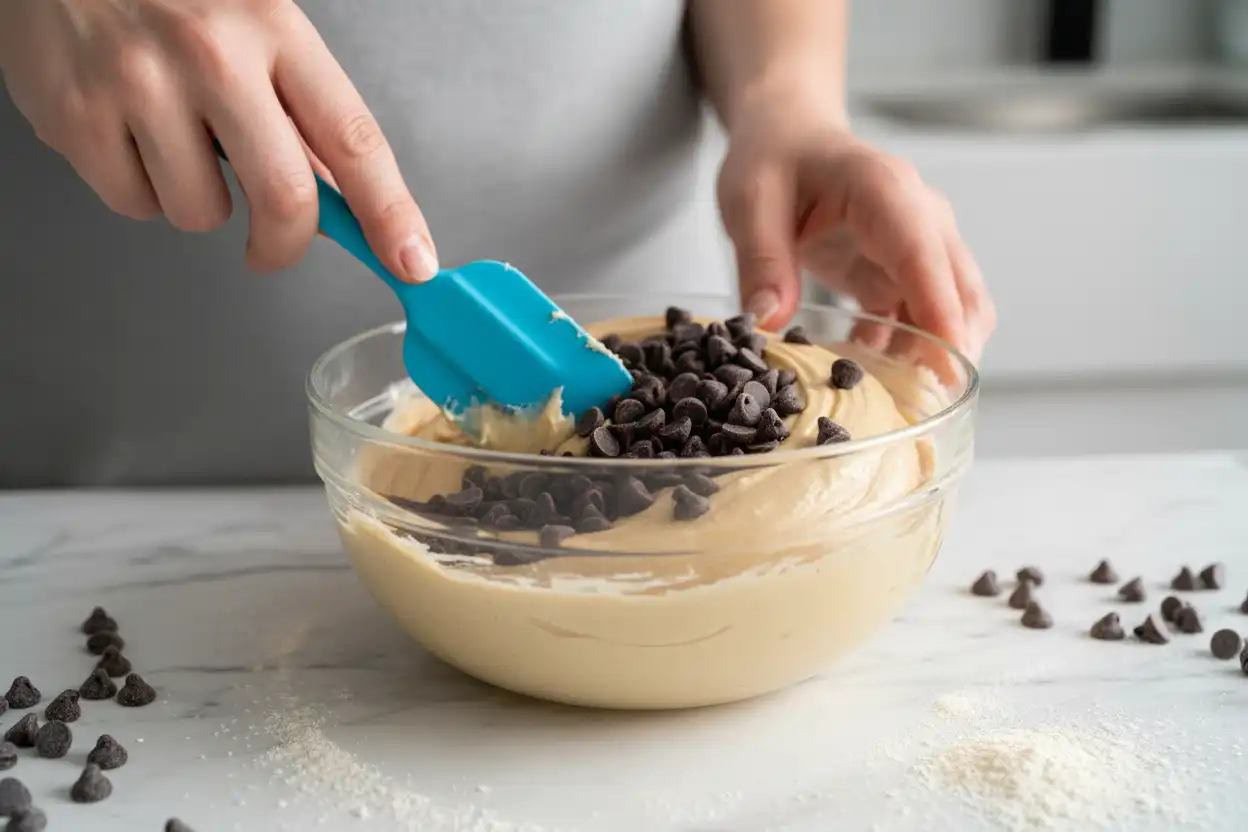
Step 4: Combine and Fold
What: Slowly mix the dry ingredients into the wet mixture, then fold in 1/2 cup of sugar-free dark chocolate chips.
Why: Gentle mixing prevents fat separation from the almond flour.
How: Use a silicone spatula to fold the dough until a smooth, cohesive ball forms.
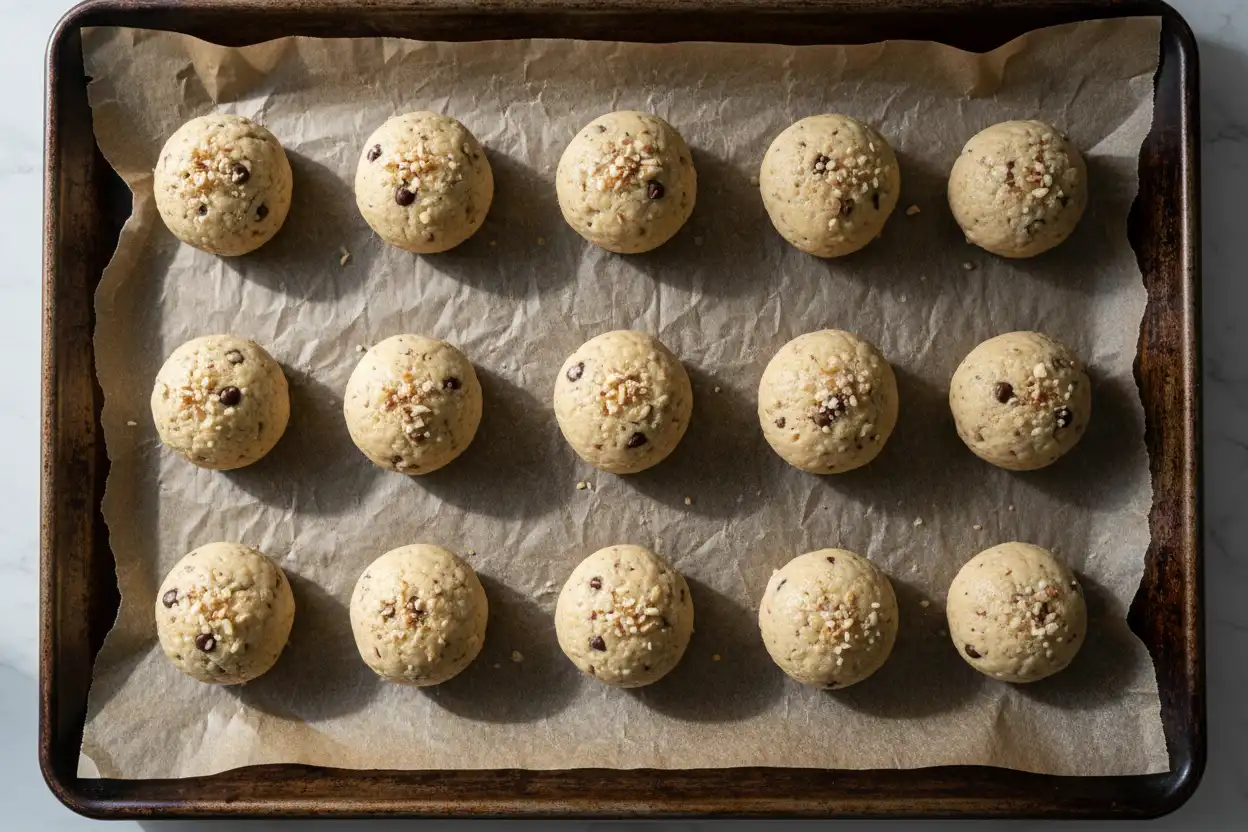
Step 5: Portion and Chill
What: Scoop 12 equal dough portions onto a parchment-lined tray and chill for 30 minutes in the refrigerator.
Why: Chilling solidifies the butter, controlling cookie spread during baking and concentrating flavor.
How: Use a 1.5-tablespoon spring-loaded cookie scoop, then flatten each ball slightly with your palm.
Step 6: Bake and Cool Completely
What: Bake at 325°F (165°C) for 10 to 12 minutes, then allow to cool on the baking sheet for 20 minutes.
Why: Low-carb cookies are extremely fragile while hot and require cooling time to set their internal structure.
How: Remove from the oven when edges are lightly golden, letting residual heat finish the setting process on the hot tray.
Pro Tip: Never attempt to move keto cookies off the baking sheet immediately after removing them from the oven. Without gluten or melted sugar, they will crumble instantly until the fats and proteins fully set during cooling.
Keto Cookie Flour & Sweetener Comparison Matrix
Understanding how primary low-carb ingredients compare allows you to adjust recipes according to your personal dietary needs and texture preferences.
| Ingredient | Net Carbs (per 100g) | Liquid Absorbency | Primary Texture Impact | Browning Index | Best Use Case |
|---|---|---|---|---|---|
| Blanched Almond Flour | 10g | Low | Tender, soft, buttery crumb | Moderate | Classic drop cookies, shortbread |
| Coconut Flour | 18g | Very High | Dense, cake-like, dry if unbalanced | Low to Moderate | Nut-free baking, cake cookies |
| Sunflower Seed Meal | 11g | Low | Moist, dense, slightly nutty | Moderate | Nut-free almond flour substitute |
| Granular Allulose | 0g | Dissolves easily | Soft, chewy, retains moisture | High (Caramelizes) | Chewy cookies, caramel layers |
| Erythritol | 0g | Crystallizes | Crisp, firm, cooling finish | Very Low | Crispy cookies, biscotti, shortbread |
Expert Baking Secrets and Advanced Troubleshooting
Low-carb baking requires precise execution. Here is how professional bakeries overcome the most common mechanical challenges when formulating low-carb desserts.
Managing Erythritol Crystallization
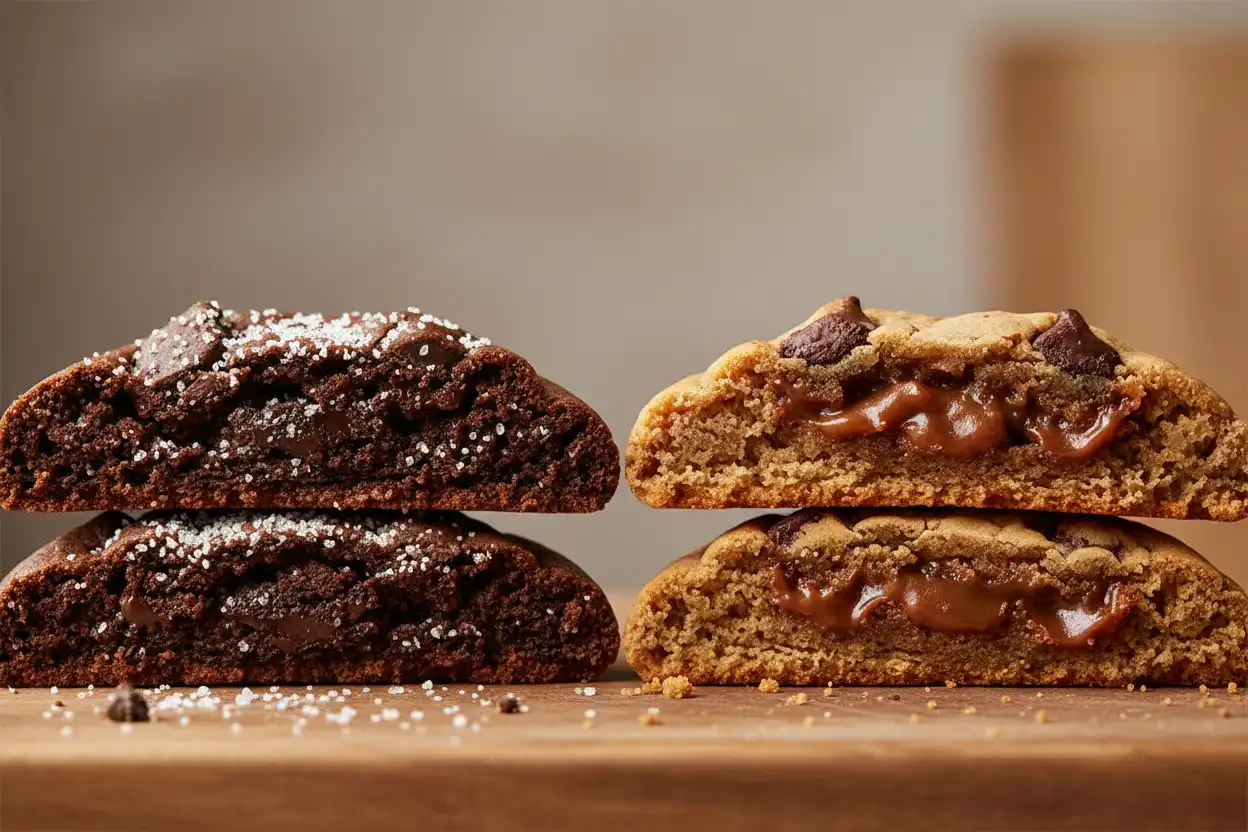
Granular erythritol does not stay dissolved in low-moisture environments like standard sugar does. As cookies cool, erythritol recrystallizes, creating a gritty texture on the tongue.
To prevent this, powder your granular erythritol in a high-speed blender before creaming, or swap 50% of the erythritol for granular allulose to inhibit crystal growth.
Neutralizing the Sunflower Seed Green Reaction
When baking nut-free cookies using sunflower seed meal, you may notice the interior turning dark green after cooling. Chlorophyll in the seeds reacts with alkaline baking soda when exposed to air.
To eliminate this cosmetic issue, add 1 teaspoon of fresh lemon juice or 1/2 teaspoon of cream of tartar to the liquid ingredients. The acid neutralizes the alkalinity without changing the taste.
Preventing Oil Separation
Over-mixing almond flour dough or using melted butter that is too hot can cause oil to separate from the nut meal, leaving cookies greasy and flat.
Ensure your butter is softened to room temperature (around 65°F / 18°C) rather than melted. Mix the dry ingredients into the wet mixture on low speed just until combined.
Common Keto Cookie Mistakes (and How to Fix Them)
Avoiding a few frequent errors will dramatically improve your low-carb baking results.
- Substituting Coconut Flour for Almond Flour 1:1: Coconut flour absorbs significantly more liquid than almond flour. Substituting equal amounts yields a dry, crumbly mess. If swapping, use 1/4 cup of coconut flour for every 1 cup of almond flour, and add 1 extra egg.
- Skipping Xanthan Gum: Low-carb flours lack gluten to hold crumbs together. Skipping xanthan gum often leaves cookies falling apart. Use 1/4 to 1/2 teaspoon per batch to ensure structural cohesion.
- Baking at Too High Temperature with Allulose: Allulose caramelizes faster than regular sucrose. Baking at standard 350°F (175°C) can burn the outside before the interior cooks. Drop your oven temperature to 325°F (165°C).
- Using Cold Ingredients: Adding cold eggs to creamed butter causes fats to solidify into tiny clumps, creating an uneven crumb. Ensure all refrigerated items reach room temperature before mixing.
Best Practices for Storing, Freezing, and Meal Prep
Because low-carb cookies contain high fat levels and no preservative artificial sugars, proper storage keeps them fresh and prevents spoilage.
Room Temperature Storage
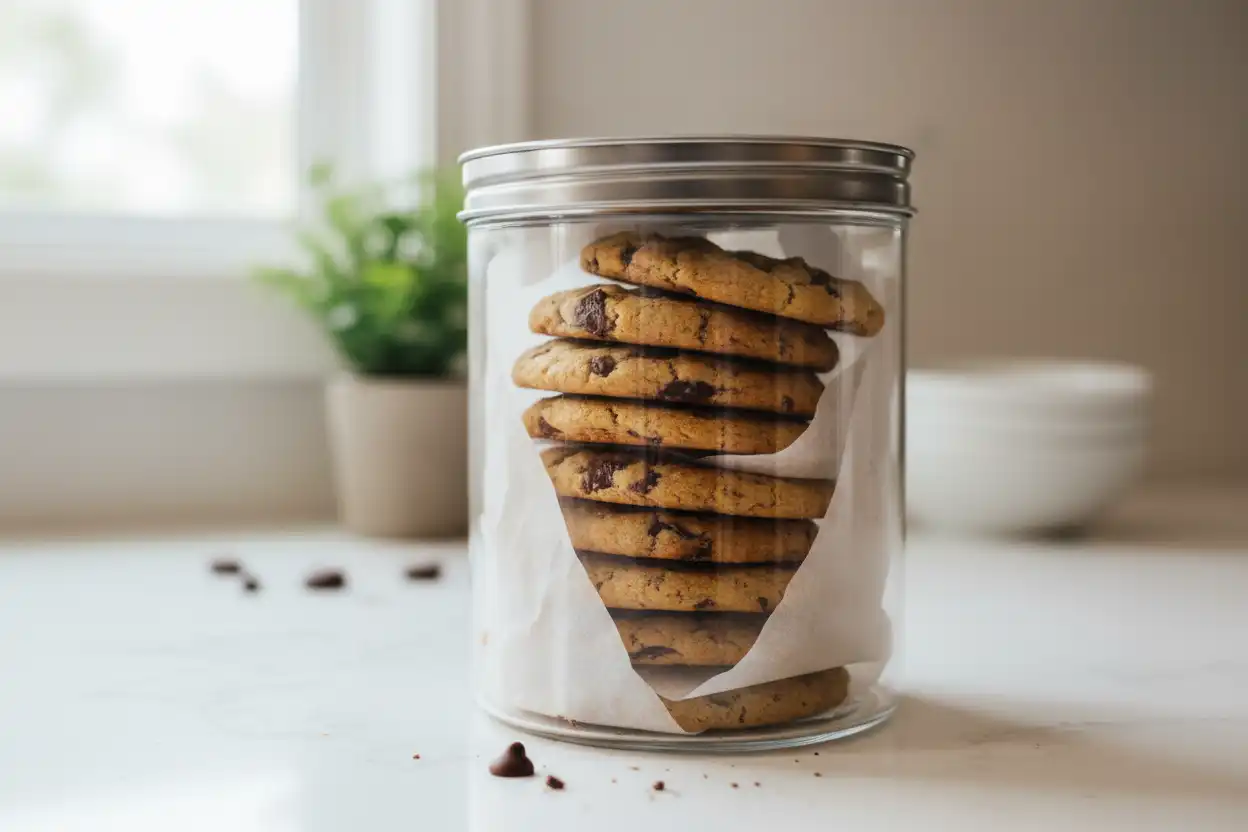
Store baked cookies in an airtight glass container at room temperature for up to 3 days. Place a sheet of parchment paper between layers to prevent soft allulose-based cookies from sticking together.
Refrigeration for Chewy Textures
Refrigerating keto cookies extends shelf life up to 10 days and improves texture. Allulose cookies become denser and chewier when chilled, while butter-rich shortbread takes on a pleasant snap.
Freezing Dough vs. Baked Cookies
Unbaked dough balls freeze exceptionally well. Scoop dough onto a baking sheet, freeze until solid, and transfer to a sealed freezer bag for up to 3 months. Bake straight from frozen at 325°F (165°C), adding 2 minutes to the total baking time.
Fully baked cookies can also be frozen for up to 3 months. Thaw individual cookies on the counter for 15 minutes before serving.
Recommended Baking Tools & Resources
Using the right kitchen equipment takes the guesswork out of low-carb baking and ensures consistent macros across every batch.
- Digital Kitchen Scale: Measuring flour by volume with cups introduces density variations. Weighing almond and coconut flours in grams ensures accurate moisture ratios every time.
- Silicone Baking Mats (Silpat): Low-carb cookies stick easily to plain aluminum sheets. Silicone mats provide effortless release and prevent dark bottoms.
- Spring-Loaded Cookie Scoops: Portions dough uniformly so every cookie bakes at the exact same rate while maintaining accurate macronutrient counts per serving.
- Oven Thermometer: Built-in oven displays are often inaccurate by 10°F to 25°F. A hanging analog thermometer ensures precise heat control for delicate sugar-free batters.
Internal Linking Suggestions
To build strong site hierarchy and topical authority, link to these related internal guides where relevant:
- The Definitive Guide to Keto Sweeteners: Allulose, Erythritol, and Monk Fruit — Link from the sweetener selection subsection.
- Nut-Free Low-Carb Baking Guide: How to Bake Without Almond Flour — Link from the flour options section.
- Keto Meal Prep Essentials: Low-Carb Desserts for the Week — Link from the storage and freezing section.
- How to Calculate Net Carbs Accurately on a Ketogenic Diet — Link from the macro overview section.
- Easy High-Fat Keto Fat Bomb Recipes for Beginners — Link from the healthy fats section.
External Authority References
Consult these reputable resources to research nutritional data and medical evidence regarding sugar alternatives and ketogenic diets:
- USDA FoodData Central: The definitive government database for verifying exact carbohydrate, fiber, and micronutrient profiles of raw ingredients like almond and coconut flours.
- American Diabetes Association (ADA): Provides authoritative research on non-nutritive sweeteners and their zero-glycemic impacts on postprandial blood glucose management.
- PubMed Central (NIH): Contains peer-reviewed studies examining the metabolic pathways of rare sugars like allulose and sugar alcohols like erythritol.
Key Takeaways
- Calculate net carbs by subtracting dietary fiber and zero-glycemic sugar alcohols from total carbohydrates. Target under 3g net carbs per cookie.
- Use blanched almond flour for a soft, classic crumb, and coconut flour for nut-free options—never substitute them 1:1.
- Combine allulose for soft chewiness and caramelization with erythritol for crisp edges.
- Always add a structural binder like xanthan gum to compensate for the absence of gluten.
- Allow low-carb cookies to cool completely on the baking tray for at least 20 minutes before handling so their structure sets.
Conclusion & Next Steps
Baking delicious low-carb cookies is straightforward once you understand how ingredients like nut flours, sugar alcohols, and healthy fats work together. By choosing the right sweeteners and allowing your baked goods to cool completely, you can enjoy delicious low-carb cookies whenever a craving strikes.
Put these principles into practice by baking the master recipe provided above. Stock your pantry with blanched almond flour, allulose, and xanthan gum, measure your ingredients by weight, and enjoy delicious bakery-style keto cookies whenever you like.
Frequently Asked Questions (FAQ)
Why are my keto cookies dry and crumbly?
Keto cookies crumble when they lack structural binders like xanthan gum or eggs. Because low-carb flours do not contain gluten, adding 1/4 teaspoon of xanthan gum per batch helps hold moisture and binds crumbs together effectively.
Why did my keto cookies not spread in the oven?
Unlike traditional sugar, low-carb flours and certain sweeteners do not melt into syrup during baking. If your dough is too dry or cold, it will maintain its shape. Flatten dough balls with your palm prior to baking.
Can I swap almond flour for coconut flour in equal amounts?
No, you cannot swap them 1:1. Coconut flour absorbs roughly four times more liquid than almond flour. Replacing 1 cup of almond flour requires only 1/4 cup of coconut flour plus 1 additional egg to maintain balance.
Which sweetener is best for chewy keto cookies?
Allulose is the best natural sweetener for achieving a soft, chewy texture. Unlike erythritol, allulose retains moisture, caramelizes under heat, and does not crystallize or leave a cooling sensation upon cooling down.
Why do erythritol cookies leave a cool feeling in my mouth?
Erythritol absorbs heat energy from your mouth as it dissolves on your tongue, creating an endothermic reaction known as a cooling effect. Blending erythritol with allulose or monk fruit helps minimize this sensation.
Do keto cookies spike blood sugar or insulin?
When made with zero-glycemic sweeteners like allulose, erythritol, or monk fruit, keto cookies do not cause significant blood glucose spikes. Always double-check store-bought labels to ensure maltitol or hidden starches are absent.
How long do homemade keto cookies last?
At room temperature in an airtight container, homemade low-carb cookies last 3 to 4 days. Refrigeration extends freshness up to 10 days, while freezing fully baked cookies keeps them fresh for up to 3 months.
Why did my sunflower seed flour cookies turn green?
Chlorophyll in sunflower seeds reacts with alkaline baking soda as the cookies cool down, turning the interior green. Adding 1 teaspoon of lemon juice or cream of tartar neutralizes the reaction without altering the flavor.