
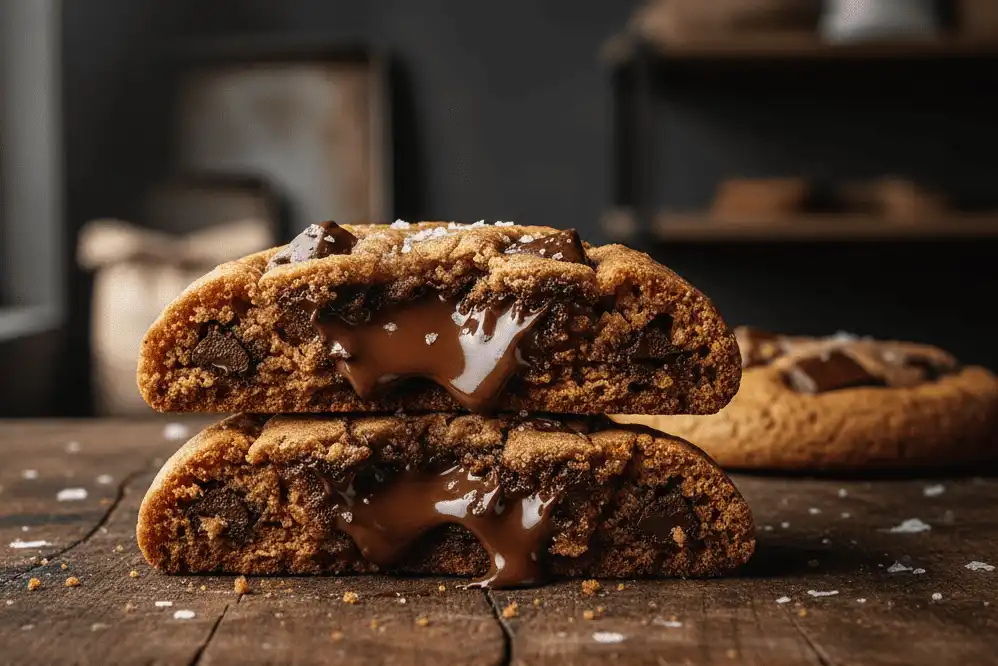
Great cookies are not the result of luck. They come from understanding ingredients, controlling texture, balancing flavor, and testing small changes until every batch tastes intentional. Whether you bake at home, run a cookie shop, or want your cookie recipes to feel more like gourmet cookies from a professional cookie bakery, the best improvements usually start with simple technique.
What makes a cookie recipe work?
A cookie recipe works when fat, sugar, flour, eggs, leavening, salt, and flavor all support the same goal. If you want a chewy cookie, you need moisture, the right sugar balance, and enough structure to keep it from falling apart. If you want a crisp cookie, you need thinner dough, more spread, and enough bake time to drive off moisture without burning the edges.
Think of every cookie as a balance between spread, lift, tenderness, and flavor. Butter adds richness and encourages spread. Flour creates structure. Sugar sweetens, browns, and affects texture. Eggs bind the dough and add moisture. Salt sharpens the flavor so the cookie tastes complete instead of flat.
Once you understand what each ingredient does, you can adjust cookie recipes with confidence instead of guessing. A small change, such as chilling the dough, swapping part of the sugar, or adding a little more salt, can transform the final result.
The foundation starts with ingredient control
Great cookies begin before the dough is mixed. Ingredient temperature, measuring style, and freshness all influence the final bake. A recipe may look easy on paper, but small inconsistencies can create cookies that spread too much one day and bake up cakey the next.
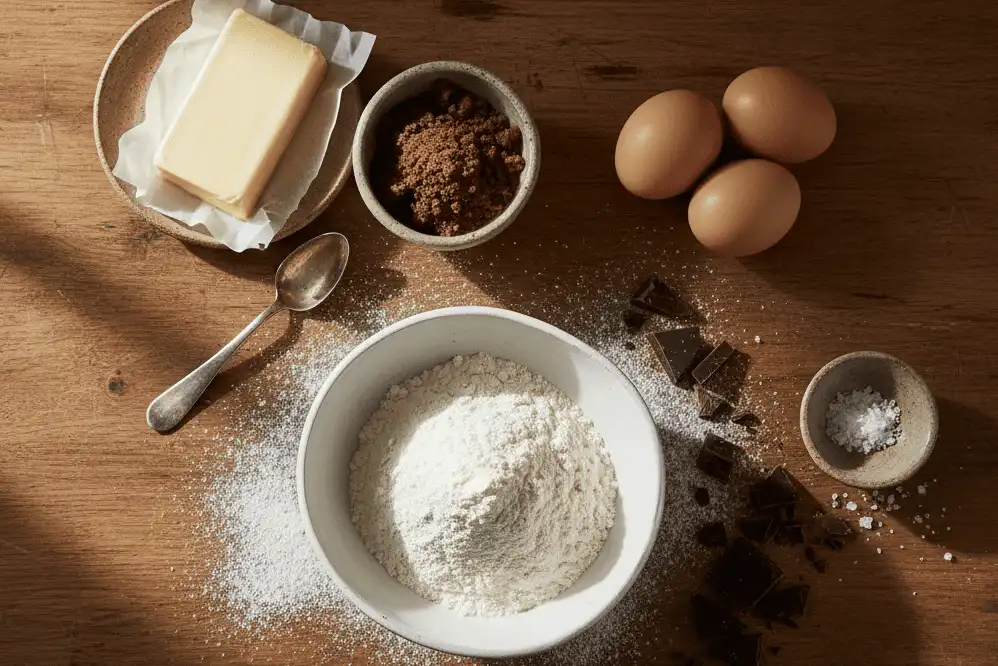
Use room-temperature butter when you want it to cream smoothly with sugar, but avoid butter that is greasy or half-melted unless the recipe specifically calls for melted butter. Butter that is too soft can make dough loose and encourage excess spread. Cold eggs can also make creamed butter seize, so let them sit out briefly before mixing when possible.
Flour is one of the biggest sources of inconsistency. Scooping directly from the bag can pack too much flour into the cup, leading to dry, thick cookies. For repeatable results, fluff the flour, spoon it into the measuring cup, and level it off, or use a kitchen scale.
A simple ingredient checklist can prevent common problems:
- Use fresh baking soda or baking powder so cookies rise properly.
- Measure flour carefully to avoid dry or dense dough.
- Use unsalted butter when you want better control over salt.
- Add salt even to sweet cookie flavors because it improves balance.
- Choose good vanilla, chocolate, spices, nuts, and extracts because simple cookies reveal ingredient quality.
- Bring ingredients to the temperature the recipe expects before mixing.
These habits matter whether you are baking a dozen cookies for family or scaling a formula for bakery cookie boxes.
Mixing technique shapes texture
Mixing is where many cookie textures are won or lost. Creaming butter and sugar adds air, which helps cookies bake lighter. Overmixing after flour is added develops gluten, which can make cookies tougher than intended.
For classic drop cookies, cream butter and sugar until the mixture looks lighter and smoother, then mix in eggs and flavoring just until combined. Once the dry ingredients go in, slow down. Stop when no major streaks of flour remain, then fold in chocolate, nuts, candy, dried fruit, or other additions by hand if needed.
Melted-butter cookie recipes behave differently. They often create denser, chewier cookies because the butter is not whipped with sugar. These doughs may need resting time so the flour can hydrate and the dough can firm up before baking.
Dough rest is one of the easiest ways to improve flavor. Even a short chill can reduce spread, deepen flavor, and make portioning easier. Longer rests allow sugar and flour to absorb moisture more fully, giving many cookies a richer, more developed taste.
Texture goals require different choices
Before adjusting a recipe, decide what kind of cookie you want. “Perfect” does not mean the same thing for every bake. A thin, crisp butter cookie, a chewy chocolate chip cookie, and a soft frosted sugar cookie all need different decisions.
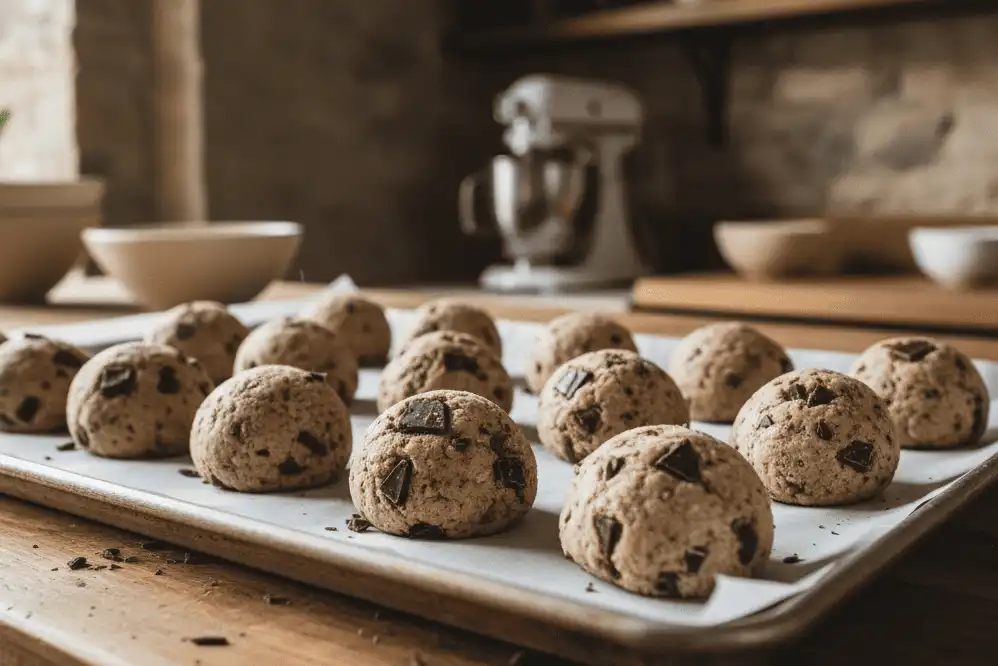
For chewier cookies, try using more brown sugar than white sugar, chilling the dough, and slightly underbaking the center. Brown sugar brings moisture and a deeper flavor, while a shorter bake keeps the middle tender.
For crisp cookies, use more white sugar, portion smaller dough balls, and bake until the edges and centers are more fully set. Crisp cookies often need enough time in the oven to lose moisture, then a full cooling period so the texture firms.
For soft, cakier cookies, a little more egg, slightly thicker dough, or a touch more leavening can help. Be careful, though: too much flour or leavening can make cookies taste dry or puffy instead of plush.
Use this quick troubleshooting guide when a batch misses the mark:
- Too much spread: Chill the dough, check butter temperature, add a small amount of flour, or use a cooler baking sheet.
- Not enough spread: Use slightly less flour, flatten dough portions before baking, or check that the oven is not too hot.
- Dry texture: Measure flour more carefully, reduce bake time, or increase moisture with brown sugar or an extra yolk.
- Greasy finish: Make sure butter was not overly soft, and let dough rest before baking.
- Flat flavor: Add enough salt, improve vanilla or chocolate quality, and consider a longer dough rest.
How do you create memorable cookie flavors?
Memorable cookie flavors come from contrast, balance, and a clear point of view. A cookie should not just taste sweet; it should have depth from salt, richness from fat, aroma from extracts or spices, and texture from mix-ins or toppings. The best gourmet cookies usually feel familiar enough to crave but distinctive enough to remember.
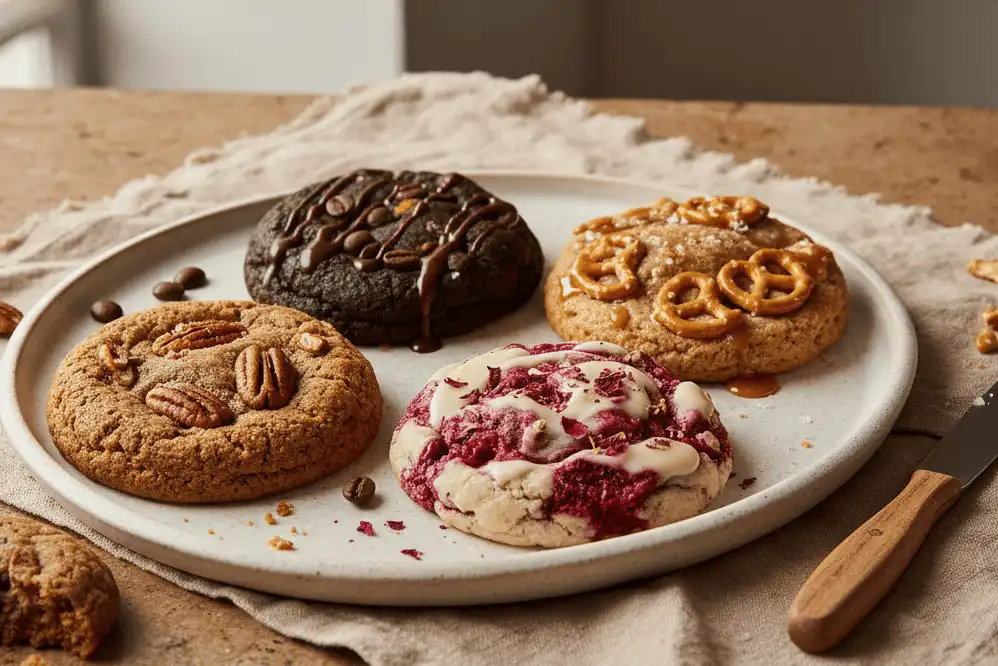
Start with a base dough you trust, then build flavor in layers. Chocolate chip dough can become espresso dark chocolate, brown butter pecan, salted caramel pretzel, or orange chocolate chunk. Sugar cookie dough can become lemon poppy seed, almond raspberry, cinnamon roll, or birthday cake.
When developing cookie flavors, avoid adding too many bold ingredients at once. A cookie with chocolate, peanut butter, marshmallow, caramel, pretzels, and three spices may sound exciting, but it can taste crowded. Choose one main flavor, one supporting flavor, and one texture accent.
Good pairings often follow simple patterns:
- Rich plus salty: brown butter with salted pecans, chocolate with pretzels, peanut butter with flaky salt.
- Sweet plus tart: white chocolate with raspberry, lemon with blueberry, cranberry with orange.
- Warm plus creamy: cinnamon with vanilla glaze, ginger with white chocolate, chai spice with browned butter.
- Deep plus bright: dark chocolate with espresso, molasses with citrus zest, cocoa with peppermint.
Finish matters too. A sprinkle of flaky salt, a dip in chocolate, a dusting of sugar, or a neat drizzle can make cookies look polished without changing the whole recipe.
Baking environment and timing matter
Even a well-built dough can fail in the wrong oven environment. Oven temperatures often vary, and hot spots can cause uneven browning. If one tray bakes pale while another burns at the edges, the recipe may not be the problem.
Bake on parchment-lined sheets for easier release and more consistent bottoms. Give cookies enough space so heat can circulate and the dough has room to spread. For even color, rotate pans partway through baking if your oven tends to heat unevenly.
Pull cookies based on visual cues, not just the timer. Many cookies are done when the edges are set and lightly browned while the centers still look slightly soft. They will continue to firm on the baking sheet as they cool.
Cooling is part of baking. Move cookies too soon and they may break; leave them too long on a hot pan and they may overcook. A brief rest on the pan followed by cooling on a rack usually gives the best texture.
Presentation turns cookies into an experience
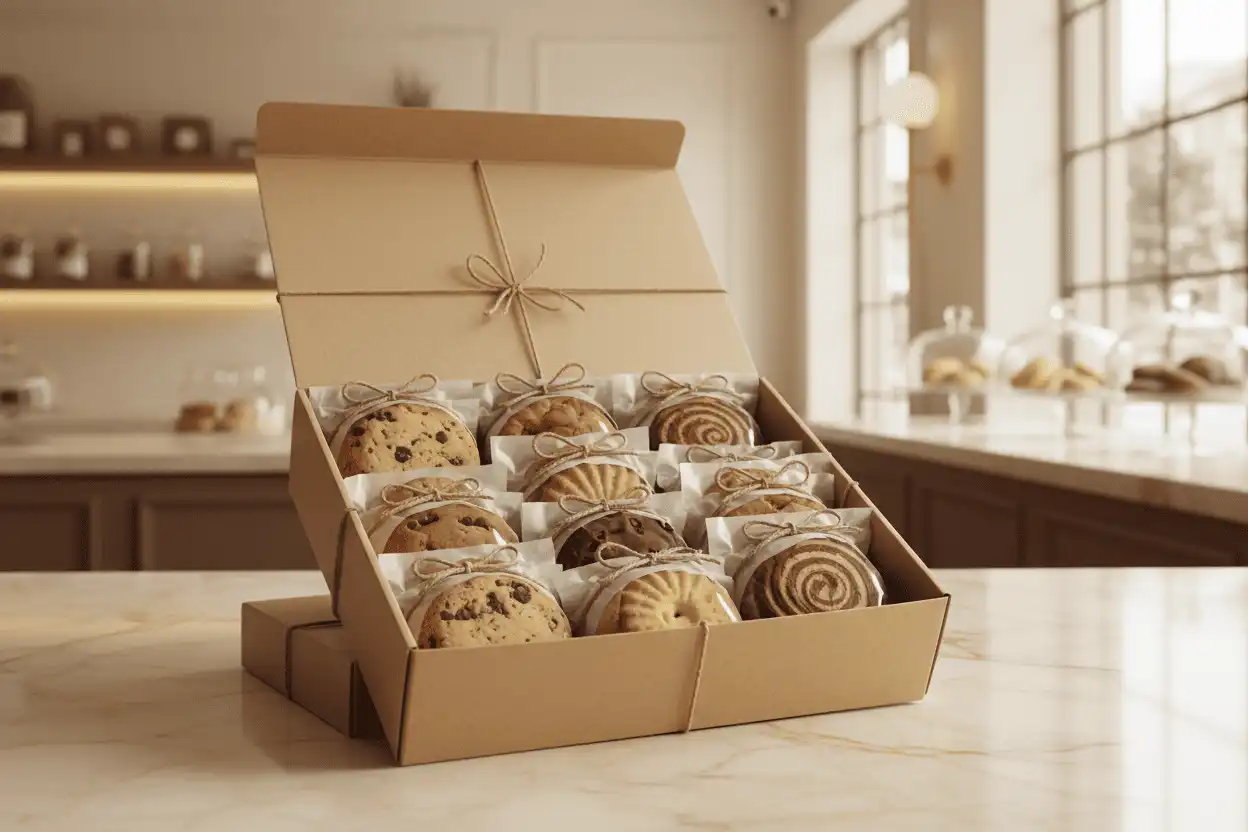
Cookies taste better when they feel cared for. Uniform scoops, clean edges, visible mix-ins, and thoughtful packaging make a batch feel more special. This is especially important for a cookie shop, cookie delivery service, or anyone preparing gifts, party favors, or bakery cookie boxes.
A bakery cookie jar can create a warm, abundant display for a counter or event table, while individual wrapping helps preserve freshness for gifting. For celebrations, a bakery cookie cake can turn familiar cookie dough into a centerpiece that is easier to slice, decorate, and share.
For a more professional presentation, focus on these details:
- Portion dough with a scoop so cookies bake in a consistent size.
- Press a few reserved mix-ins on top before baking for a fuller look.
- Let cookies cool completely before boxing to prevent condensation.
- Separate strong flavors, such as mint or spice, from delicate vanilla cookies.
- Use packaging that protects texture during storage or cookie delivery.
- Label assorted boxes when flavors are not obvious.
Presentation should never cover up weak baking, but it can elevate a good cookie into something giftable and memorable.
Testing creates your signature recipe
The best bakers test deliberately. Instead of changing five things at once, adjust one variable and write down what happened. This turns every batch into useful information.
Start with a base recipe, then test small changes such as bake time, dough chill, sugar ratio, flour amount, or mix-in size. Keep notes on flavor, spread, browning, texture after cooling, and texture the next day. Cookies can change as they rest, so judging them only when warm may not tell the full story.
If you are developing recipes for a cookie bakery or repeat sales, consistency matters as much as creativity. Customers expect the cookie they loved last week to taste the same the next time they order. Standardized portions, written methods, tested bake times, and clear storage steps help protect that experience.
A practical testing process looks like this:
- Choose one cookie style and define the goal, such as chewy center with crisp edge.
- Bake the original recipe exactly as written.
- Change one variable in the next batch.
- Compare cookies after cooling completely.
- Note what improved and what got worse.
- Repeat until the recipe performs consistently.
This patient approach is how everyday cookie recipes become signature bakes.
Storage, gifting, and delivery protect the final result
A cookie is not finished when it leaves the oven. Storage determines whether it stays crisp, chewy, soft, or fresh-tasting. Different textures need different care, so avoid storing every cookie the same way.
Soft cookies usually do best in airtight containers once fully cooled. Crisp cookies need protection from moisture, so keep them separate from soft cookies. Frosted or filled cookies may need extra space, layers of parchment, or cooler storage depending on the filling.
For cookie delivery, choose sturdy cookies that travel well or package delicate styles carefully. Thick drop cookies, bars, sandwich cookies, and cookie cakes often handle movement better than fragile lace cookies or thin wafers. If sending assorted boxes, pack heavier cookies at the bottom and cushion empty spaces so items do not slide around.
The real secret is repeatable care
Perfecting cookies is less about one hidden trick and more about repeatable care. Measure accurately, understand texture, mix with intention, bake with attention, and keep notes. Once those habits are in place, creativity becomes easier.
From a cozy bakery cookie jar to polished bakery cookie boxes, from playful cookie flavors to a celebration-ready bakery cookie cake, the best results come from treating every step as part of the recipe. Master the fundamentals, test patiently, and your cookies will taste less like chance and more like craft.